
155 results
-
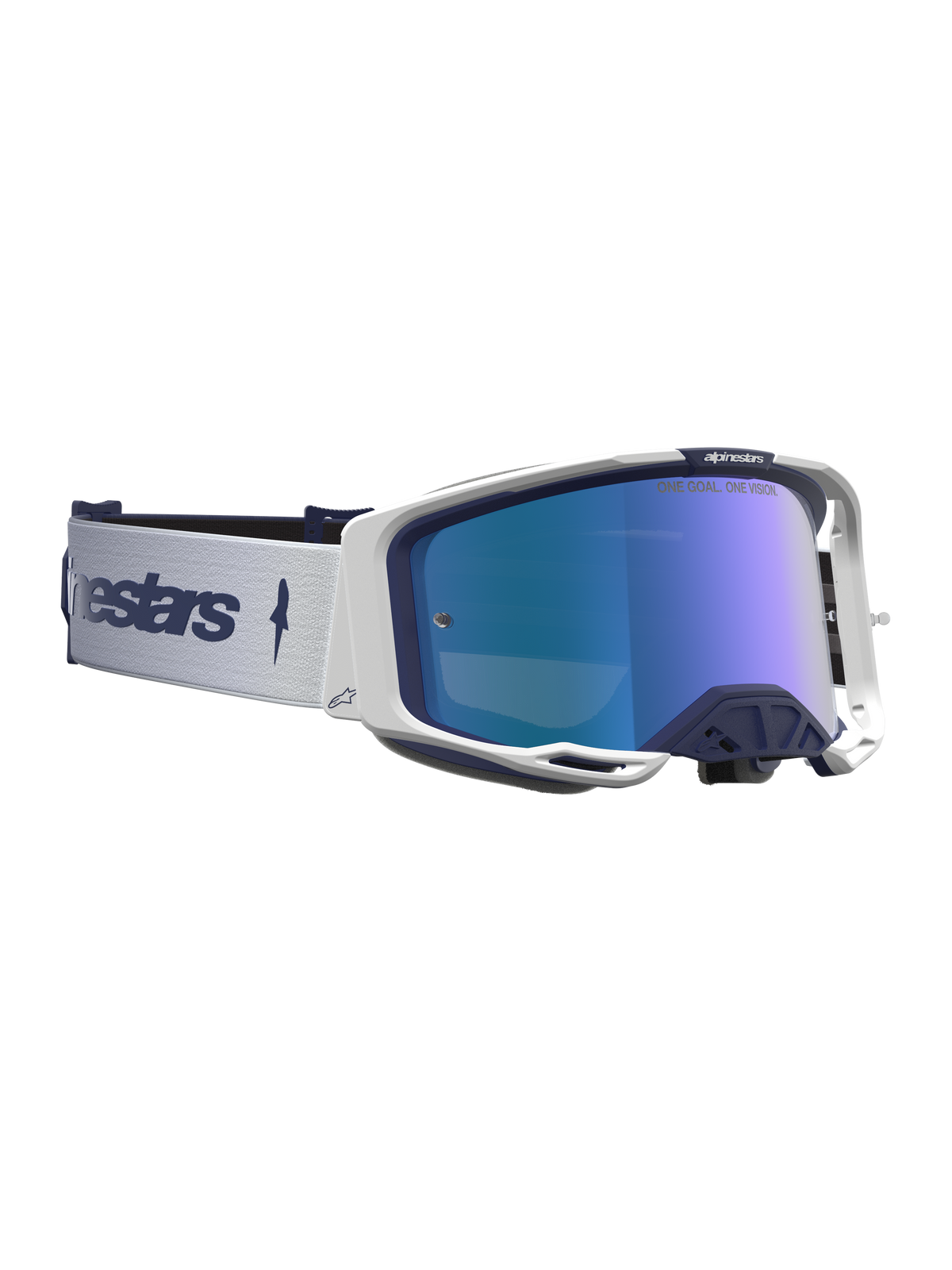
Supertech Lone Goggles -
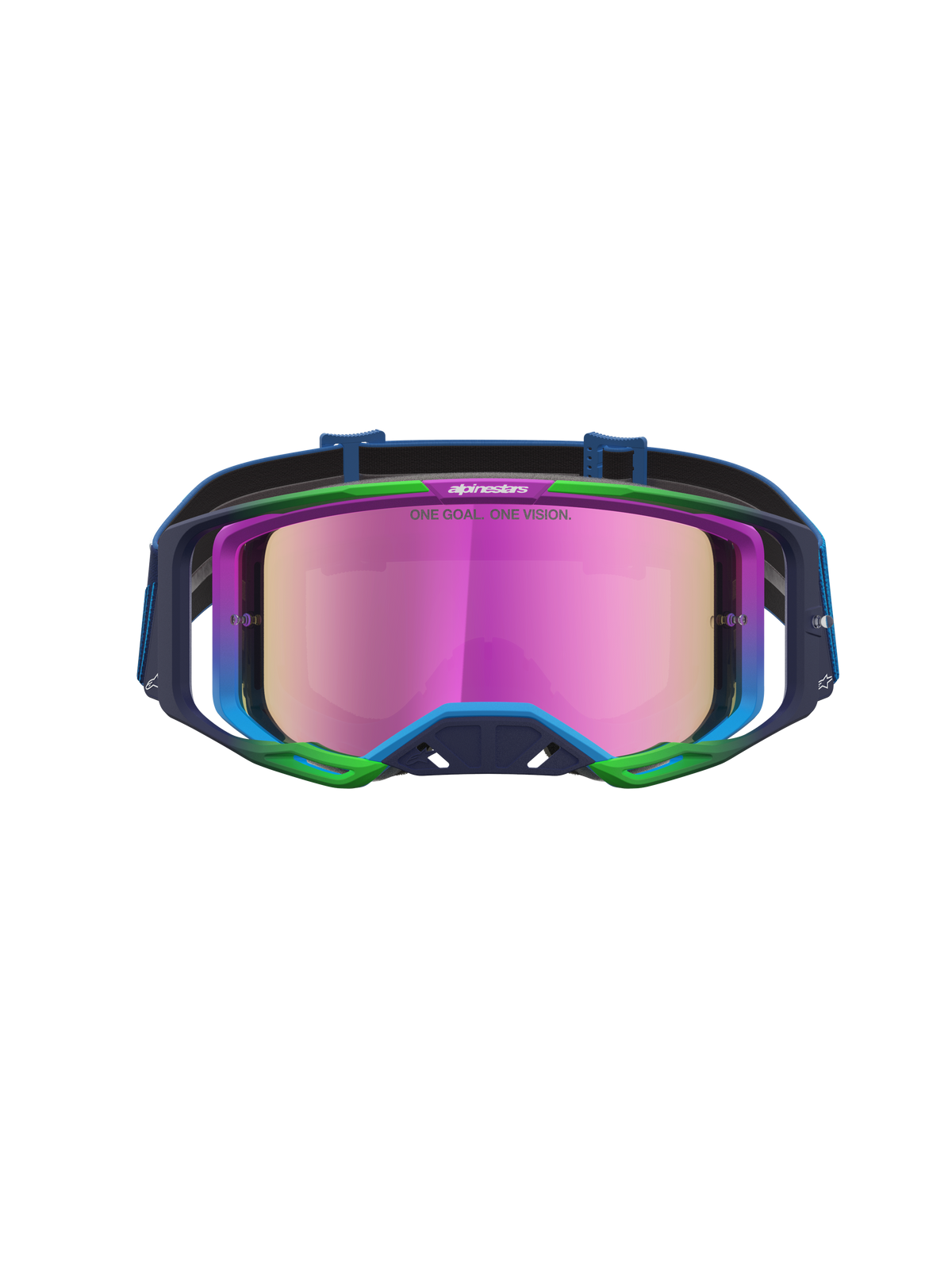
Limited Edition Supertech Zona Goggles -
Supertech Vesta Goggles -
Limited Edition Supertech Lone Goggles -
Supertech Vesta Goggles -
Vision 8 Amber Mirror Goggles -
Vision 5 Rora Roll Off Goggles -
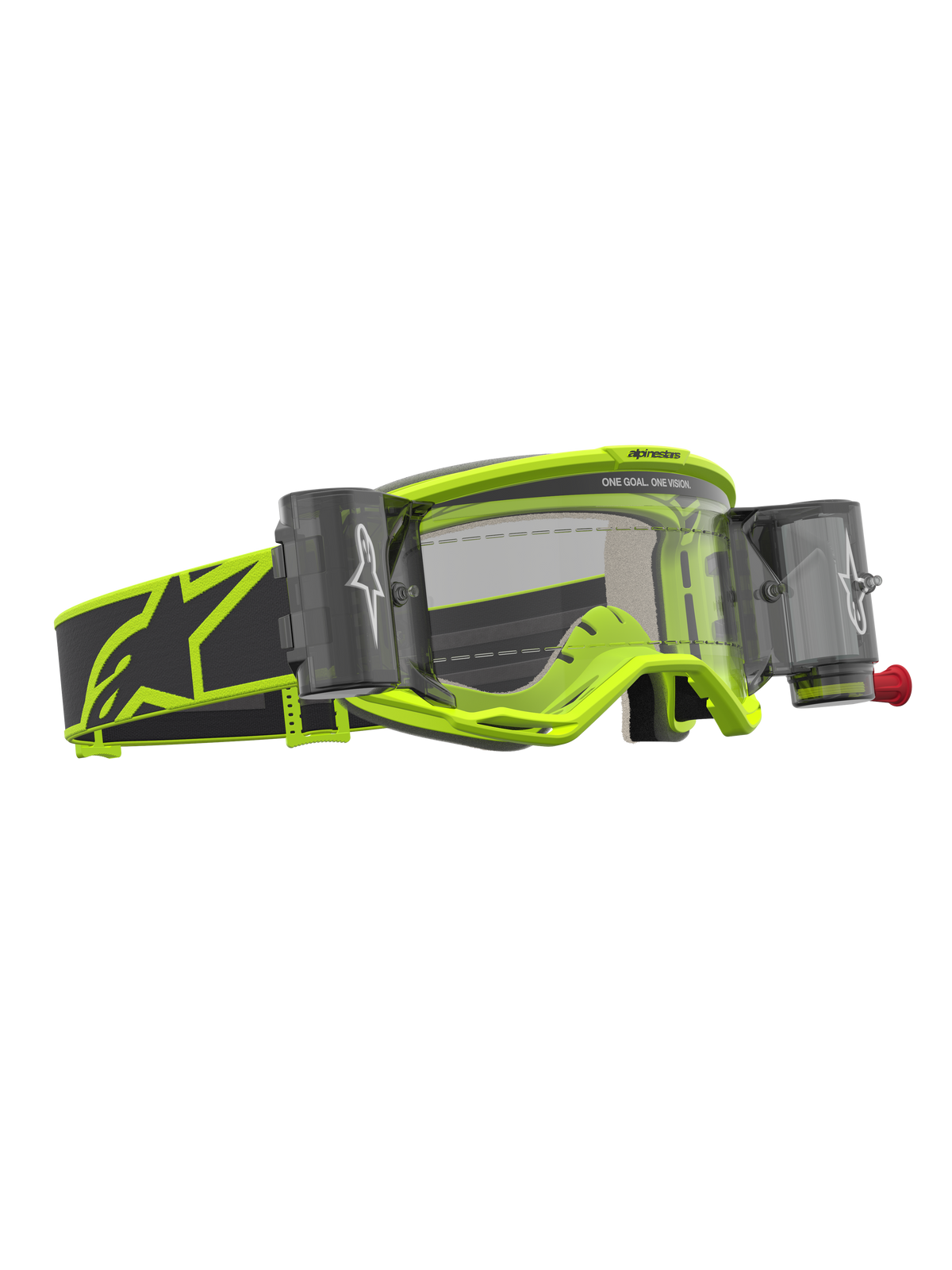
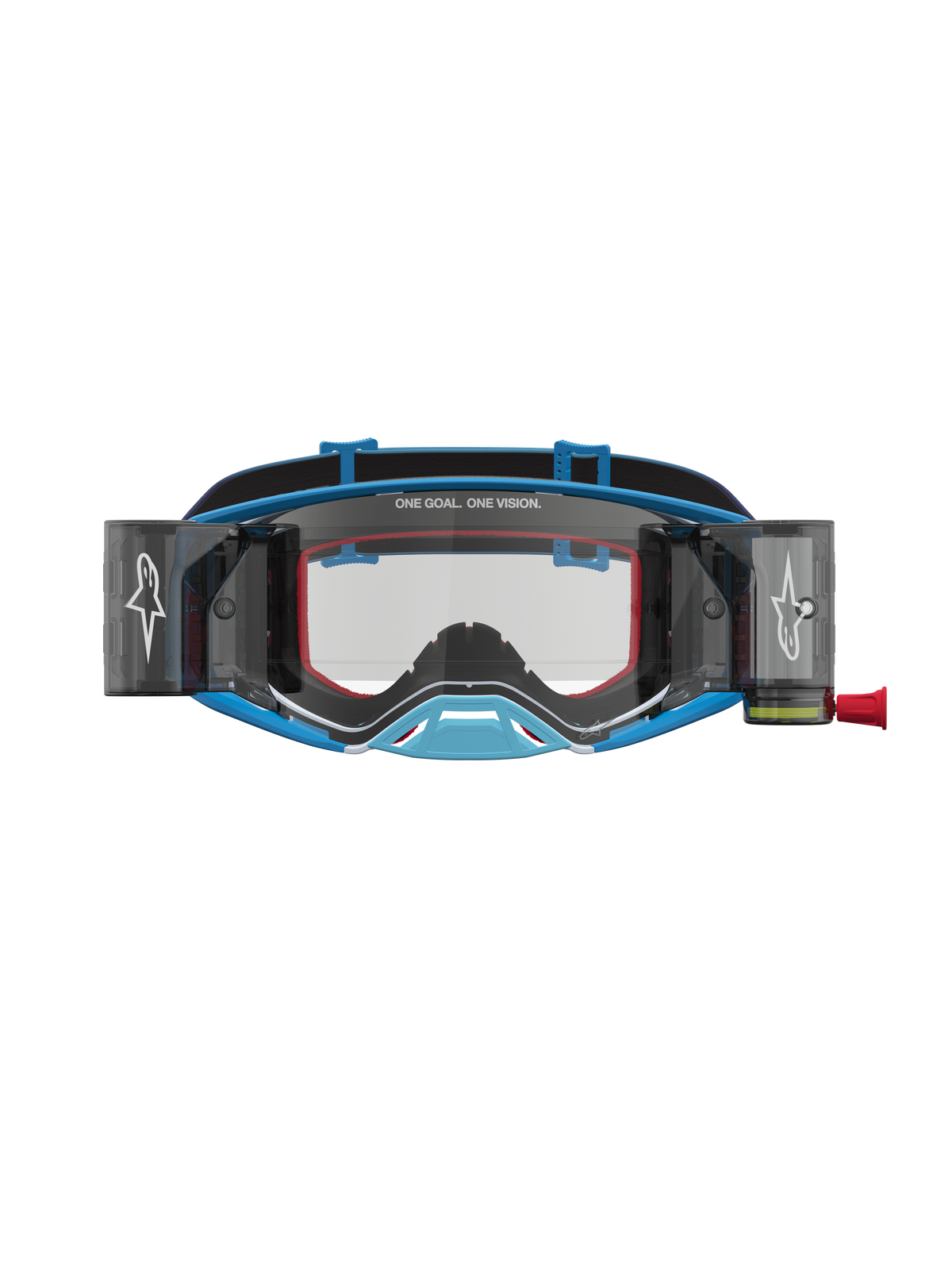
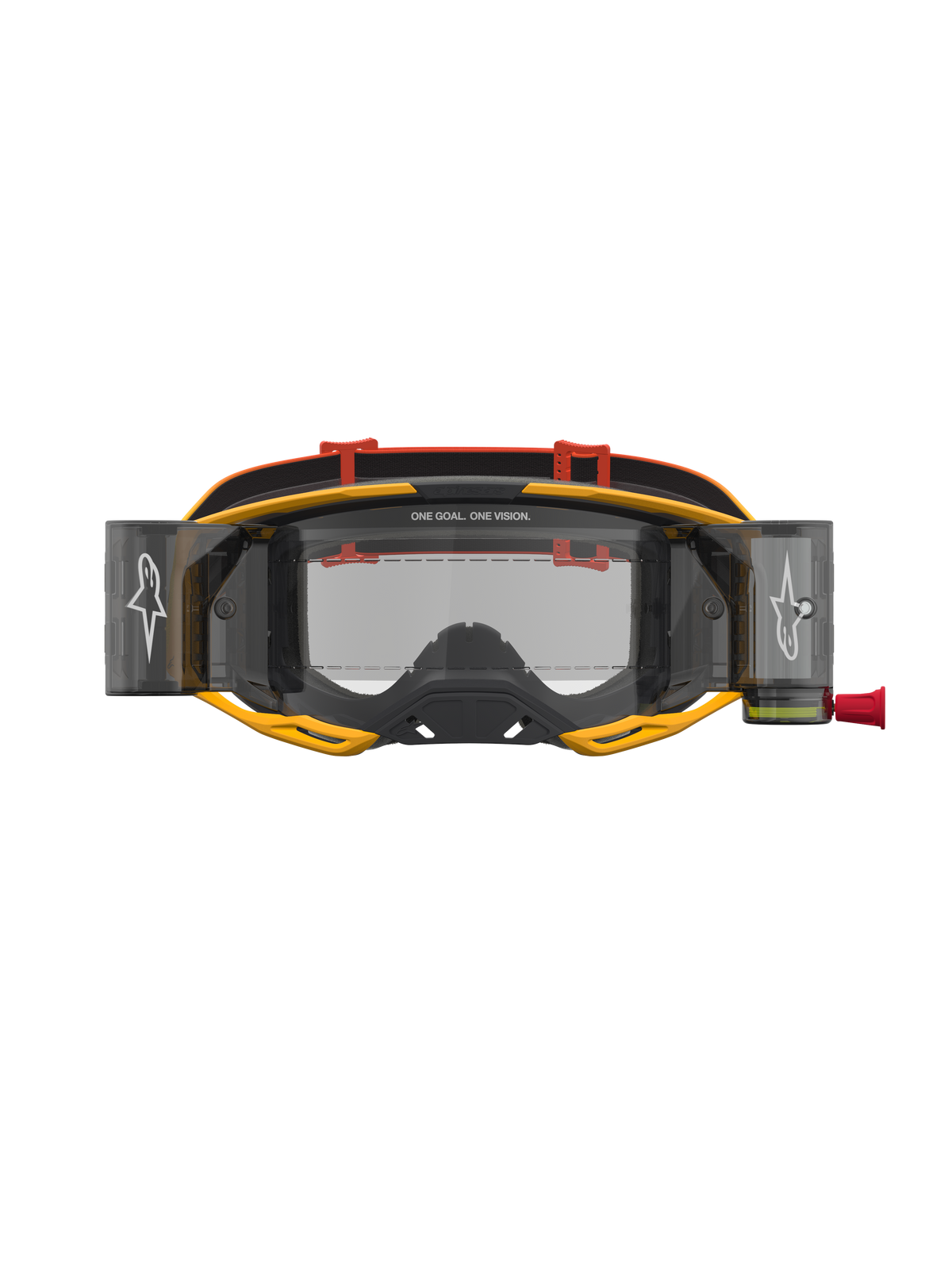
Supertech Firma Roll Off Goggles -
Vision 8 Maven Goggles -
Vision 5 Drag Goggles -
Vision 5 Hone Goggles -
Supertech Vesta Goggles -
Vision 8 Amber Roll Off Goggles -
Supertech Atrox Goggles -
Vision 8 Maven Goggles -
Vision 8 Amber Goggles - Mirror -
Vision 5 Rora Goggles -
Vision 8 Amber Mirror Goggles -
Vision 5 Hone Goggles -
Supertech Firma Roll Off Goggles -
Vision 5 Drag Goggles -
Vision 8 Amber Mirror Goggles -
Vision 5 Rora Goggles -
Supertech Atrox Goggles -
Vision 8 Maven Goggles -
Vision 5 Drag Goggles -
Supertech Hiten Goggles -
Vision 8 Maven Goggles -
Vision 5 Rora Goggles -
Supertech Vesta Goggles -
Vision 8 Amber Goggles - Clear -
Vision 5 Rora Goggles -
Supertech Dura Air Fluid Goggles -
Vision 8 Amber Roll Off Goggles -
Vision 5 Drag Goggles -
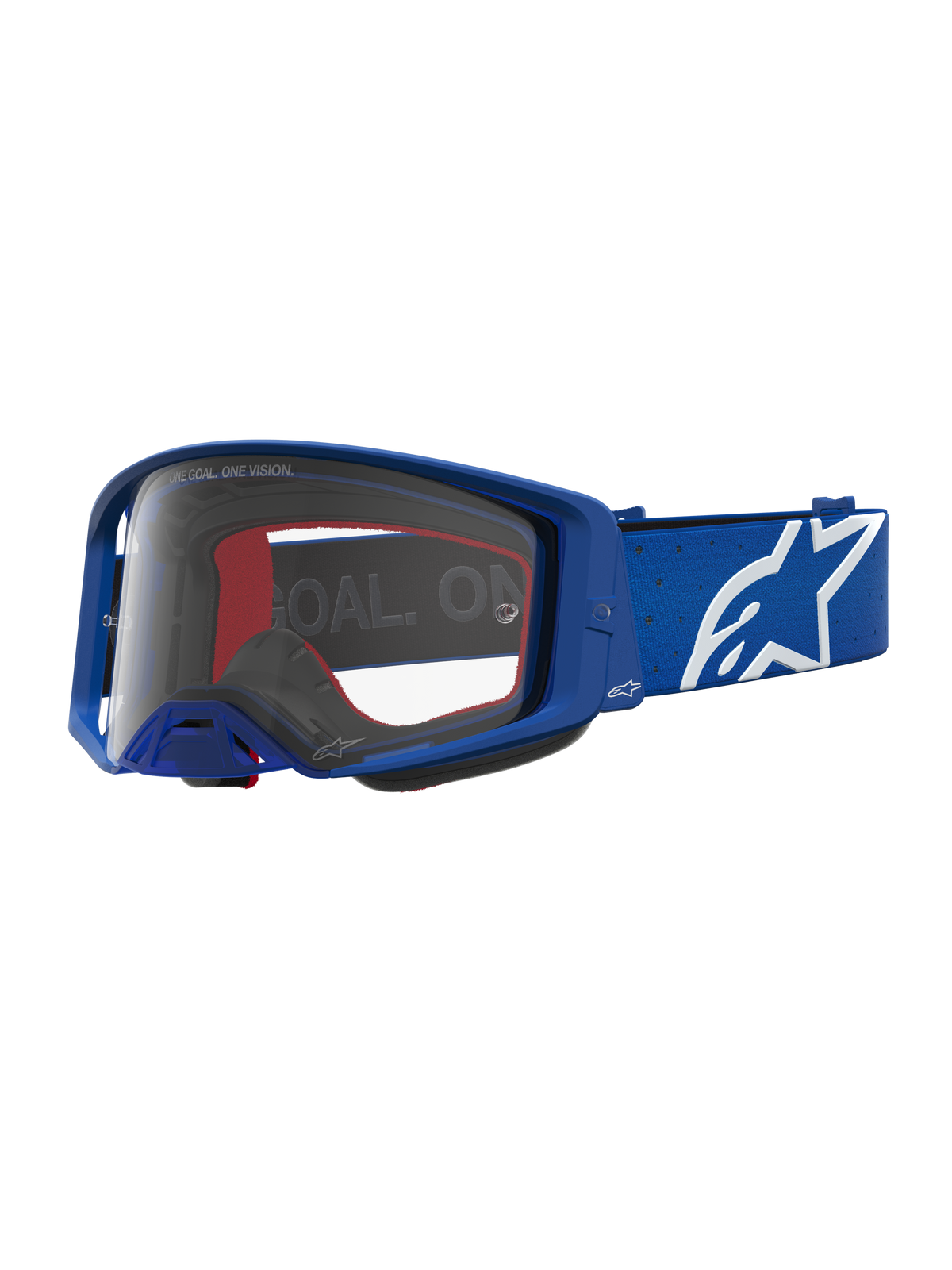
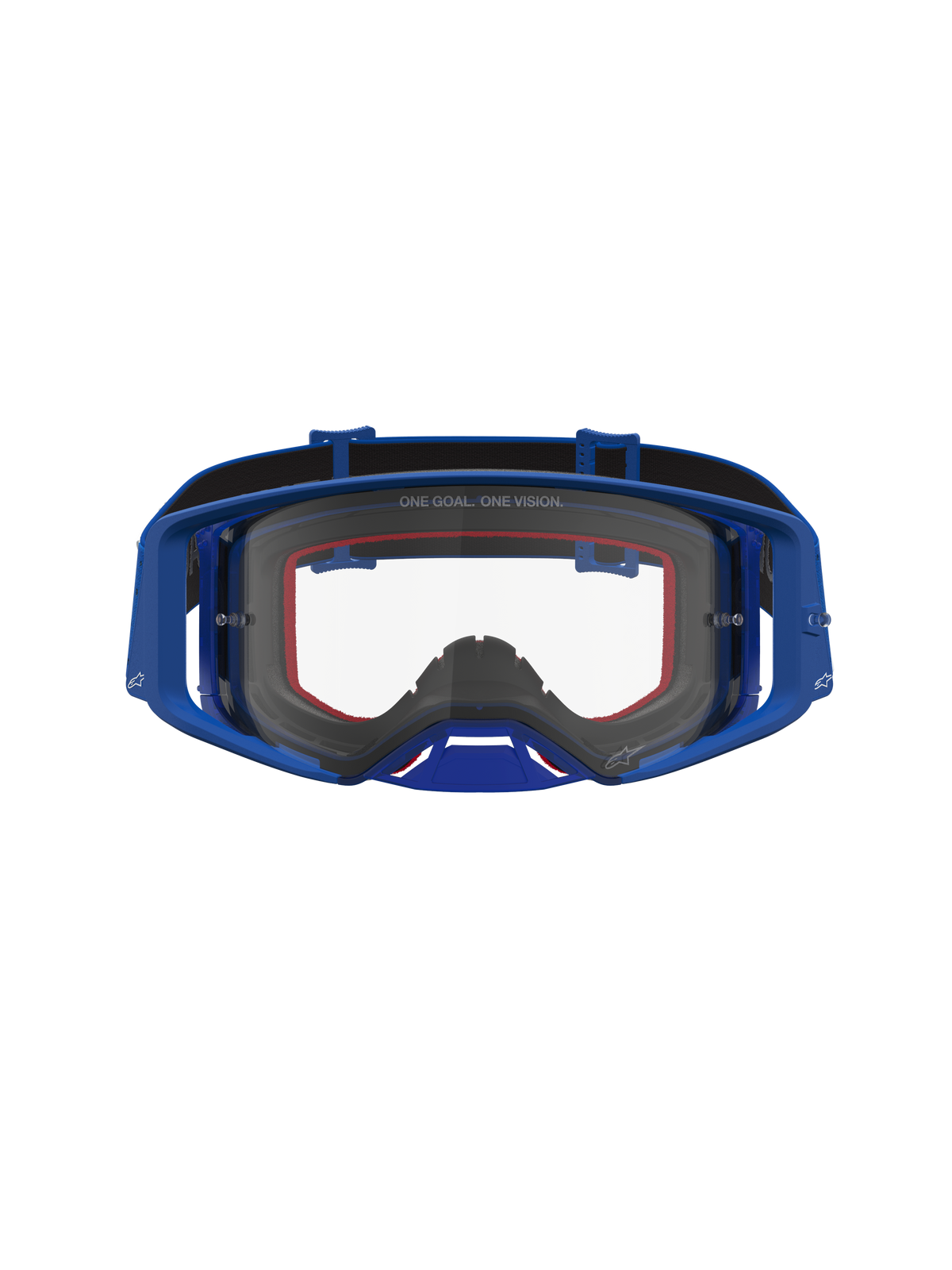
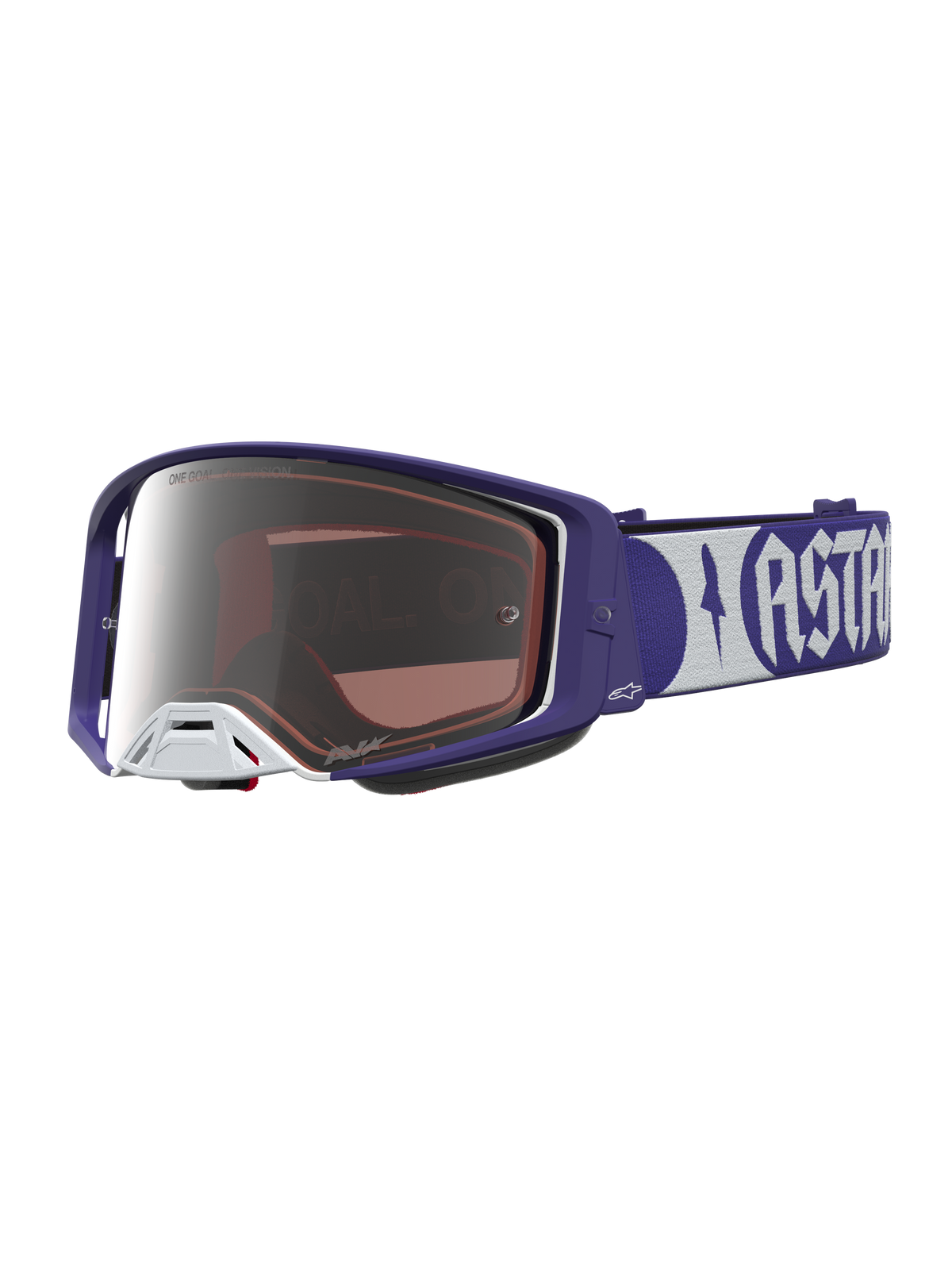
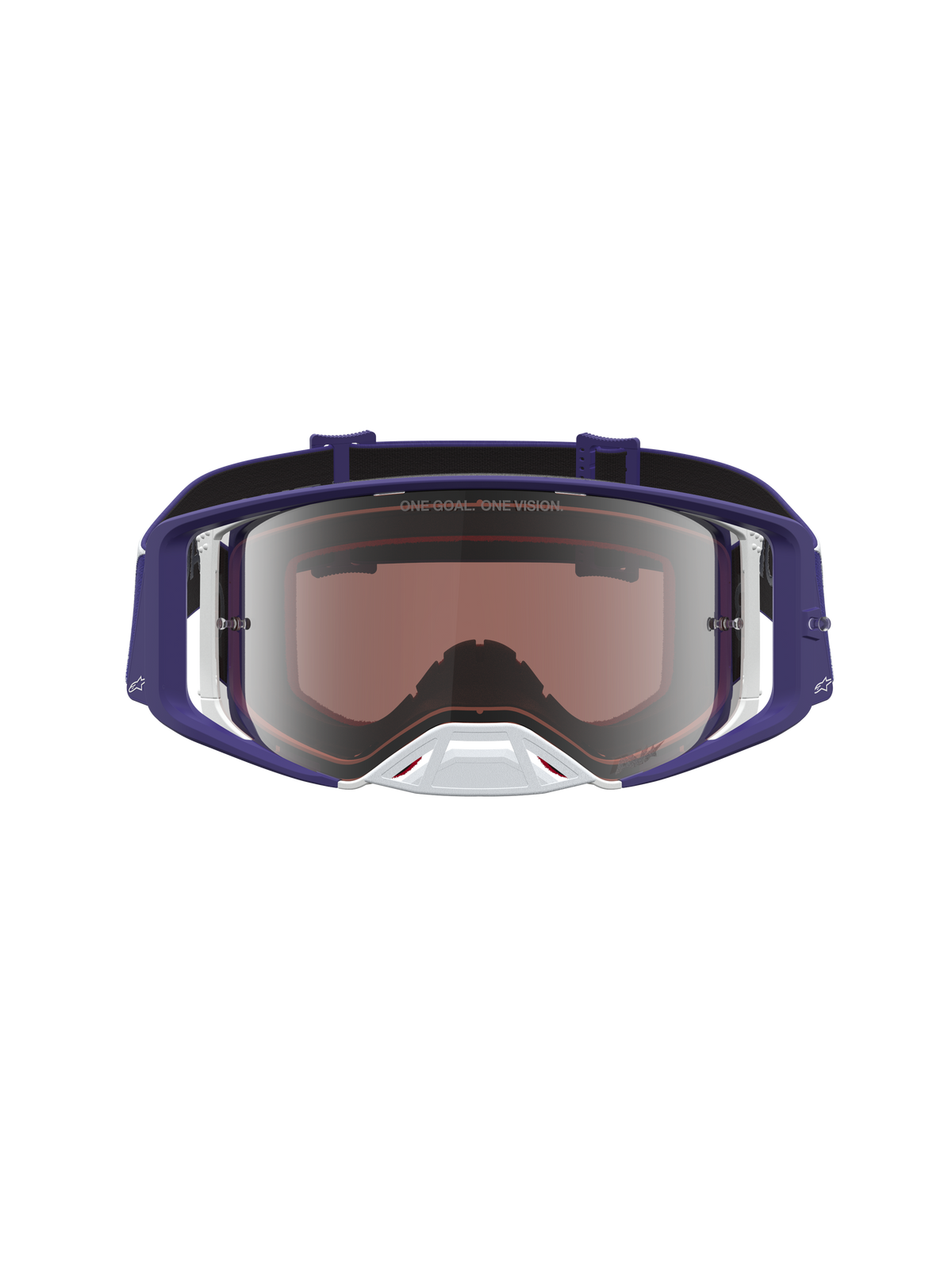
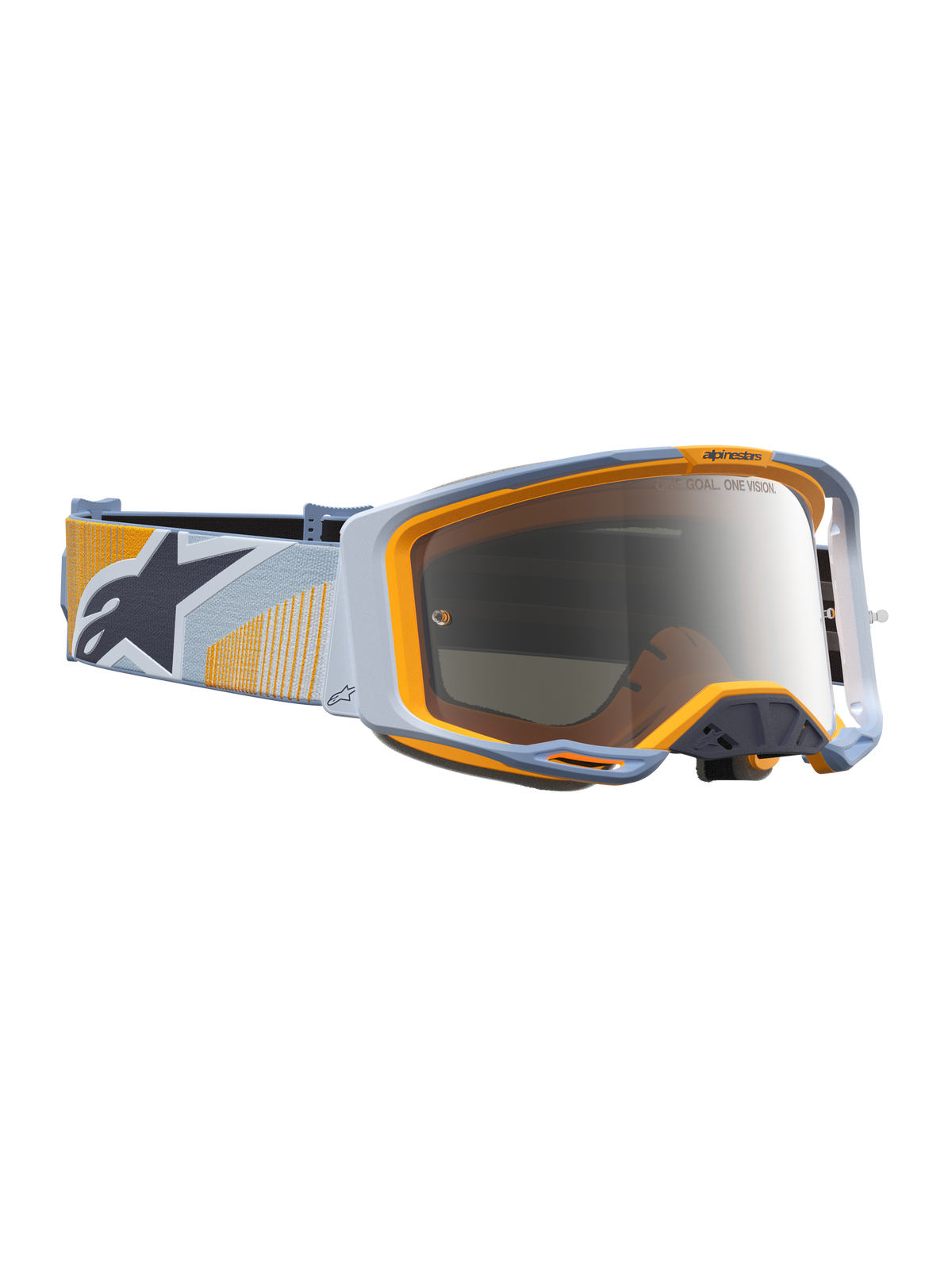
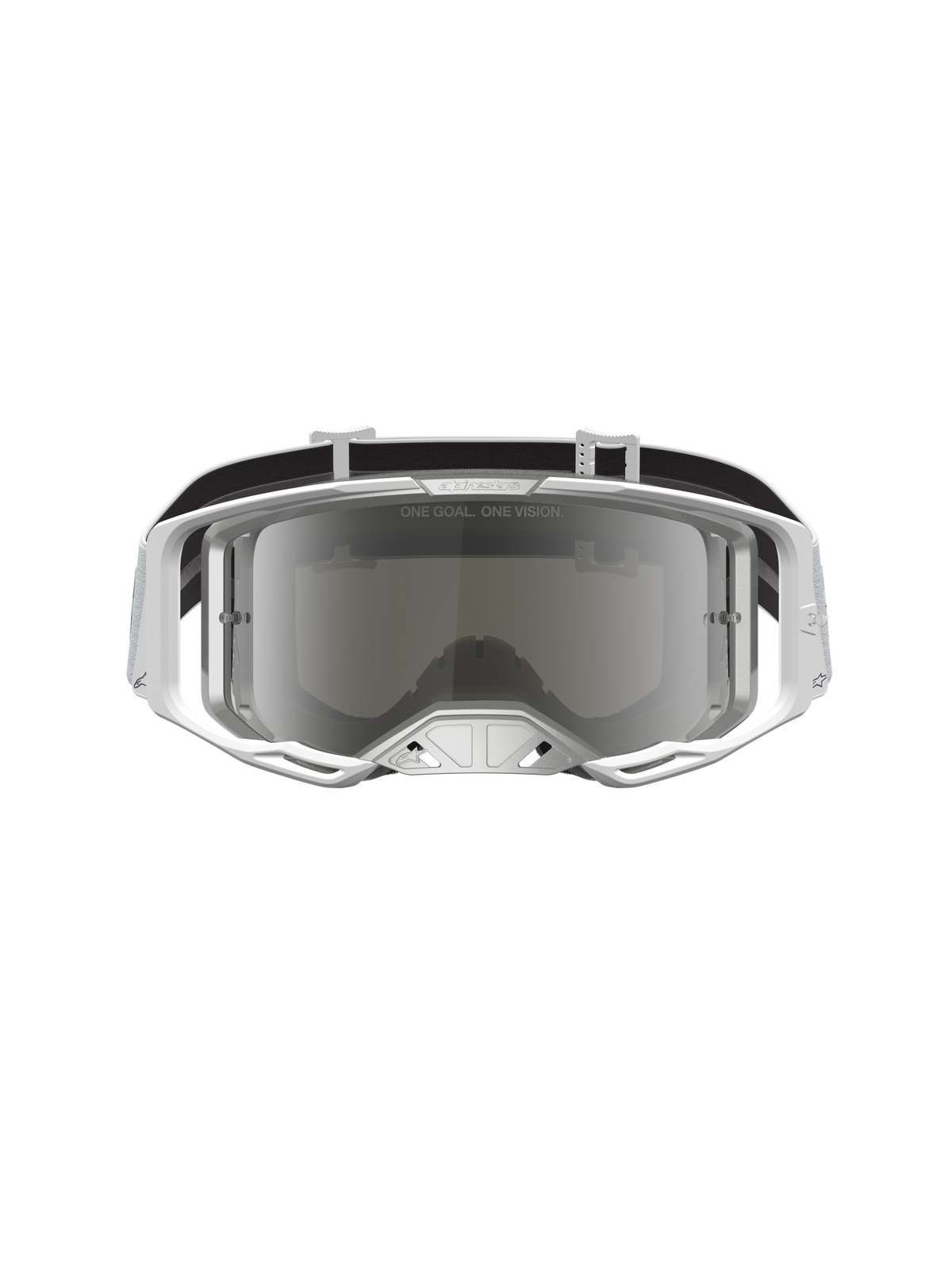
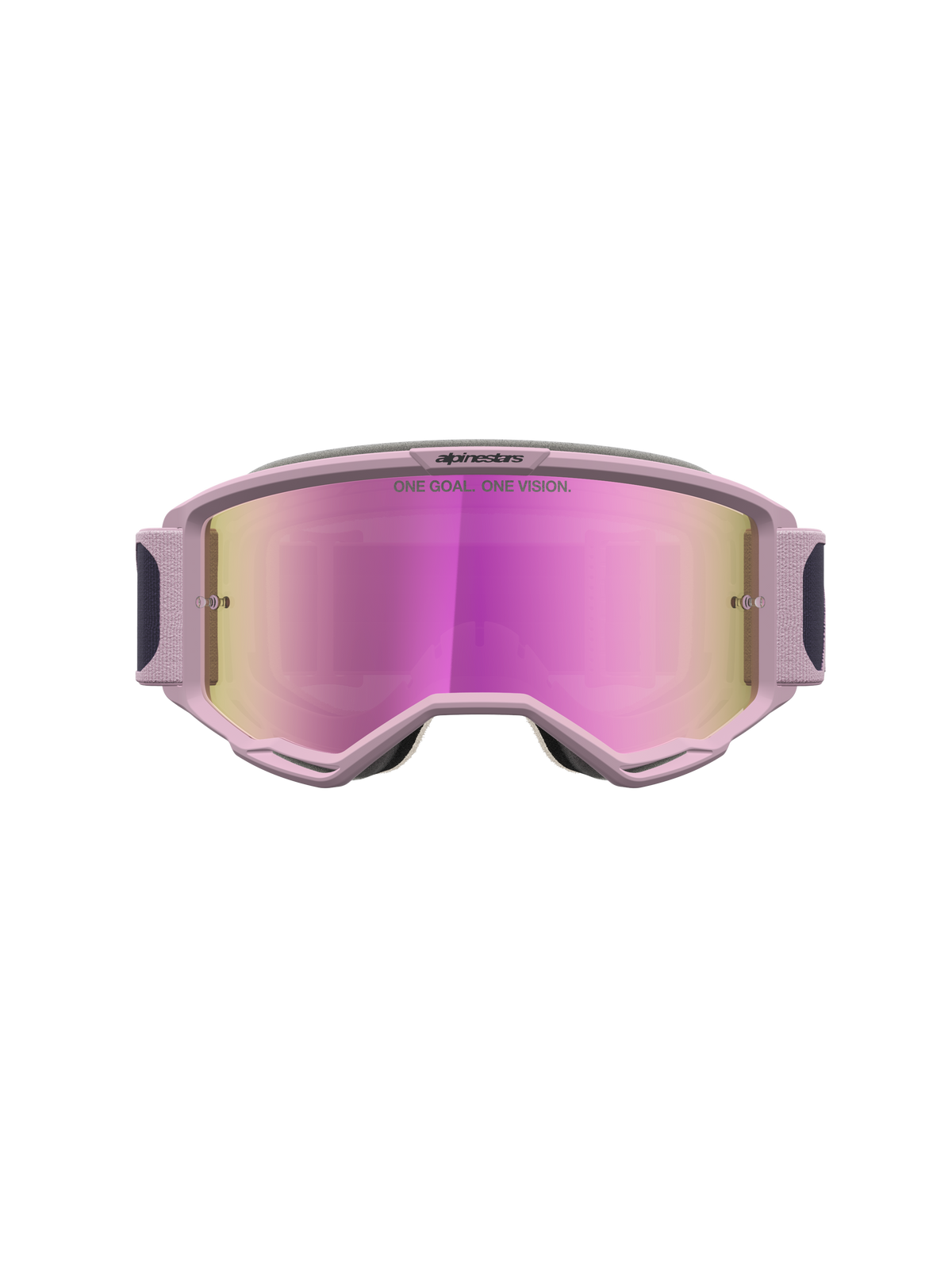
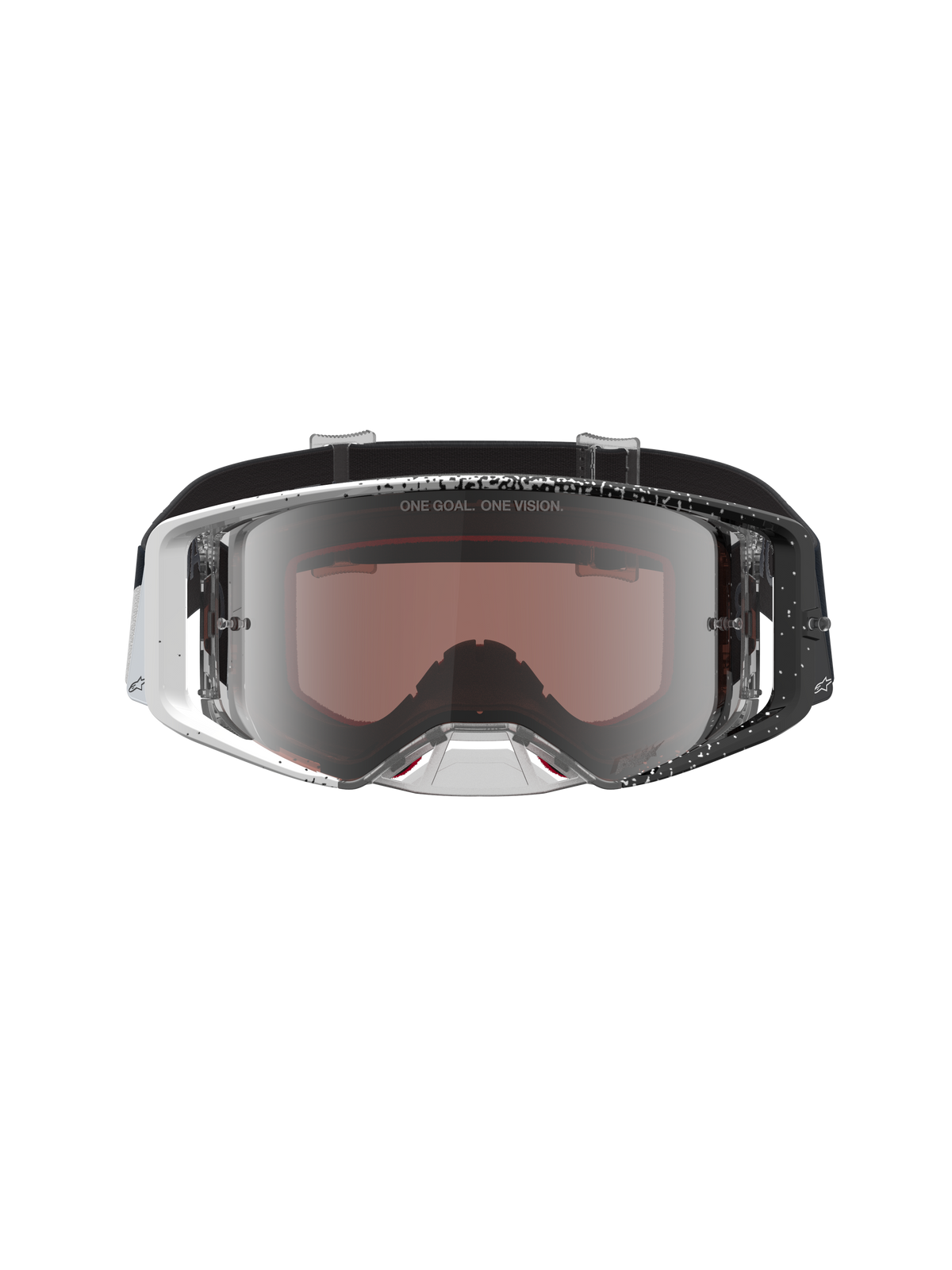
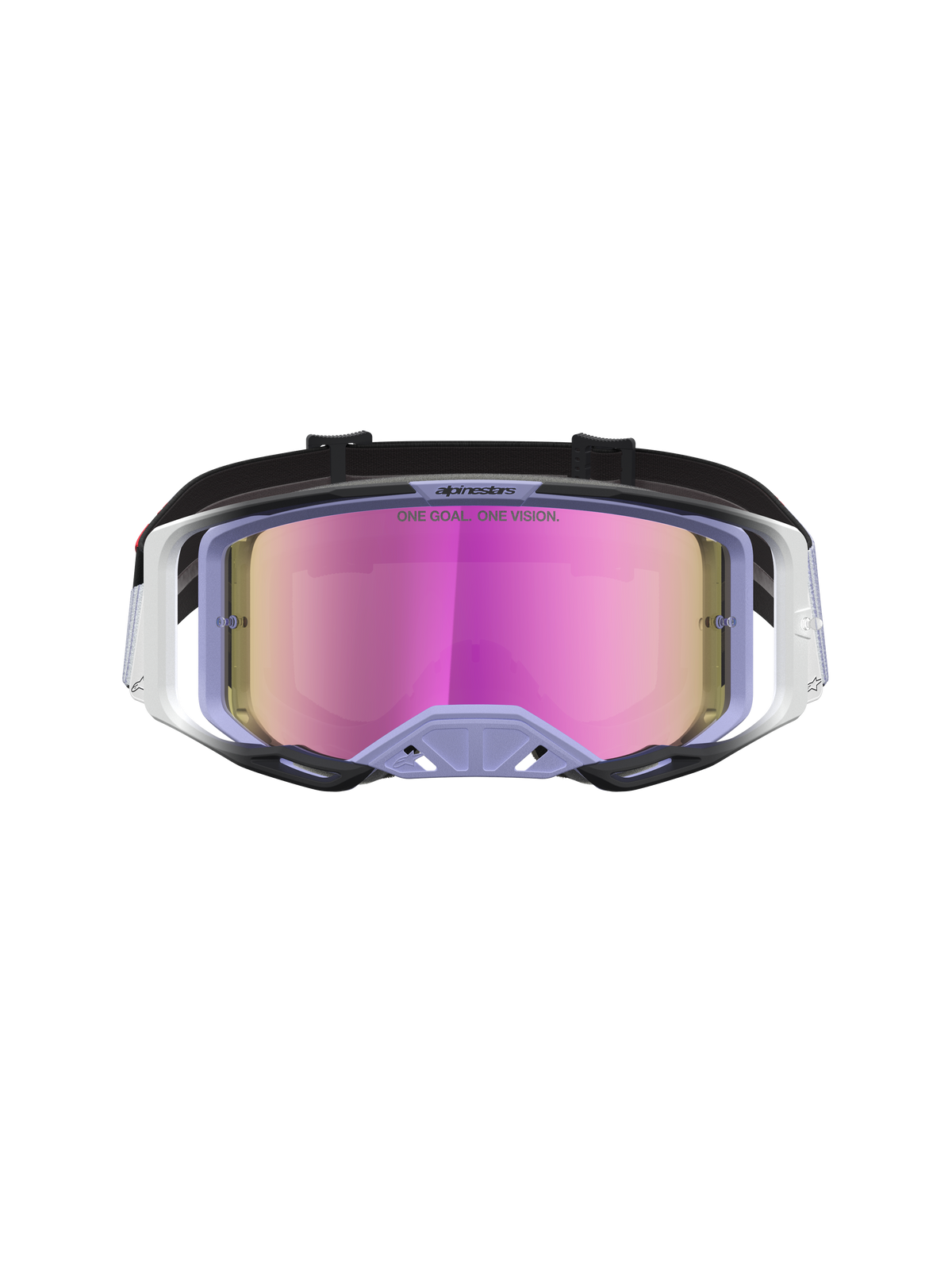
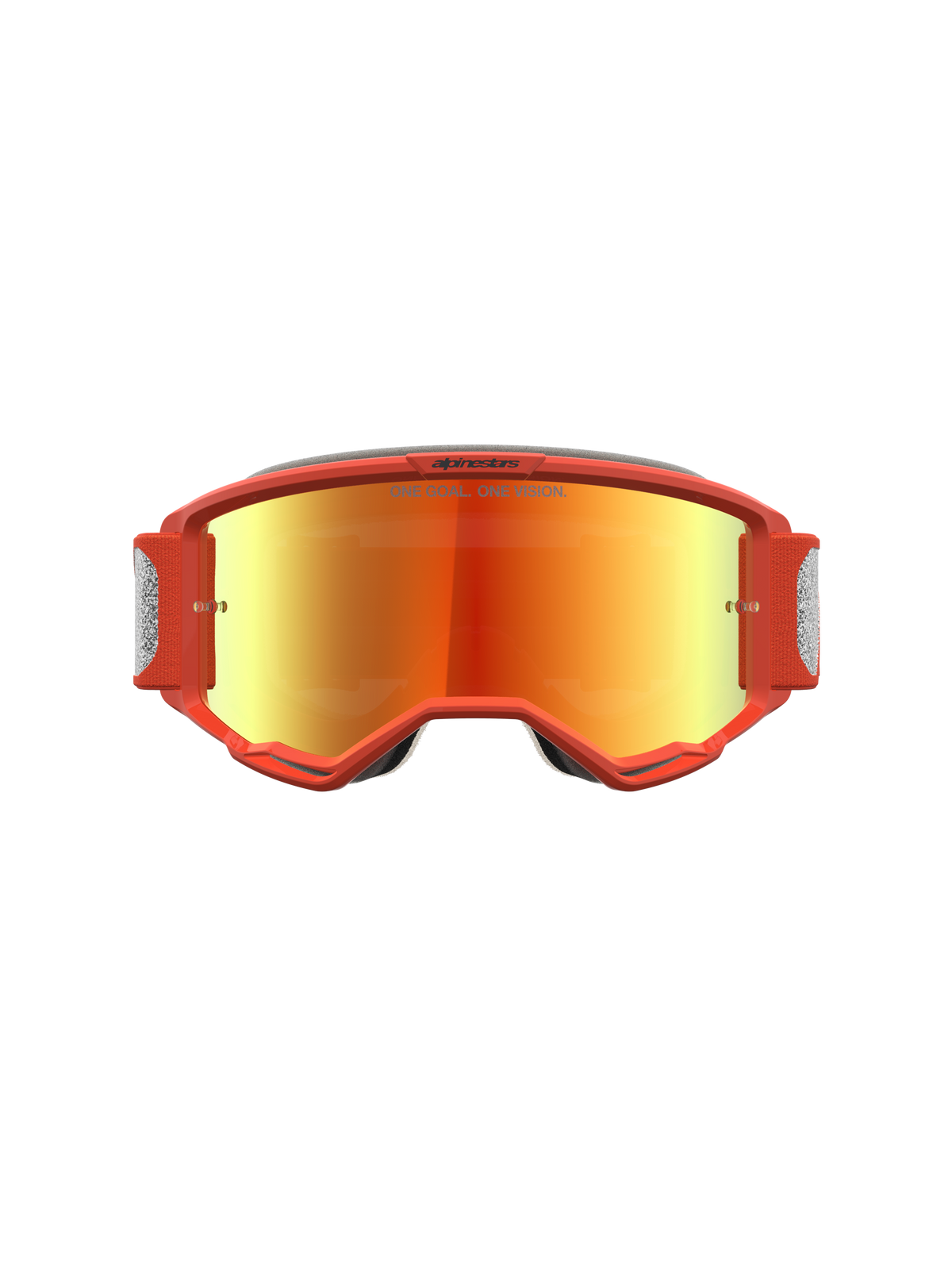
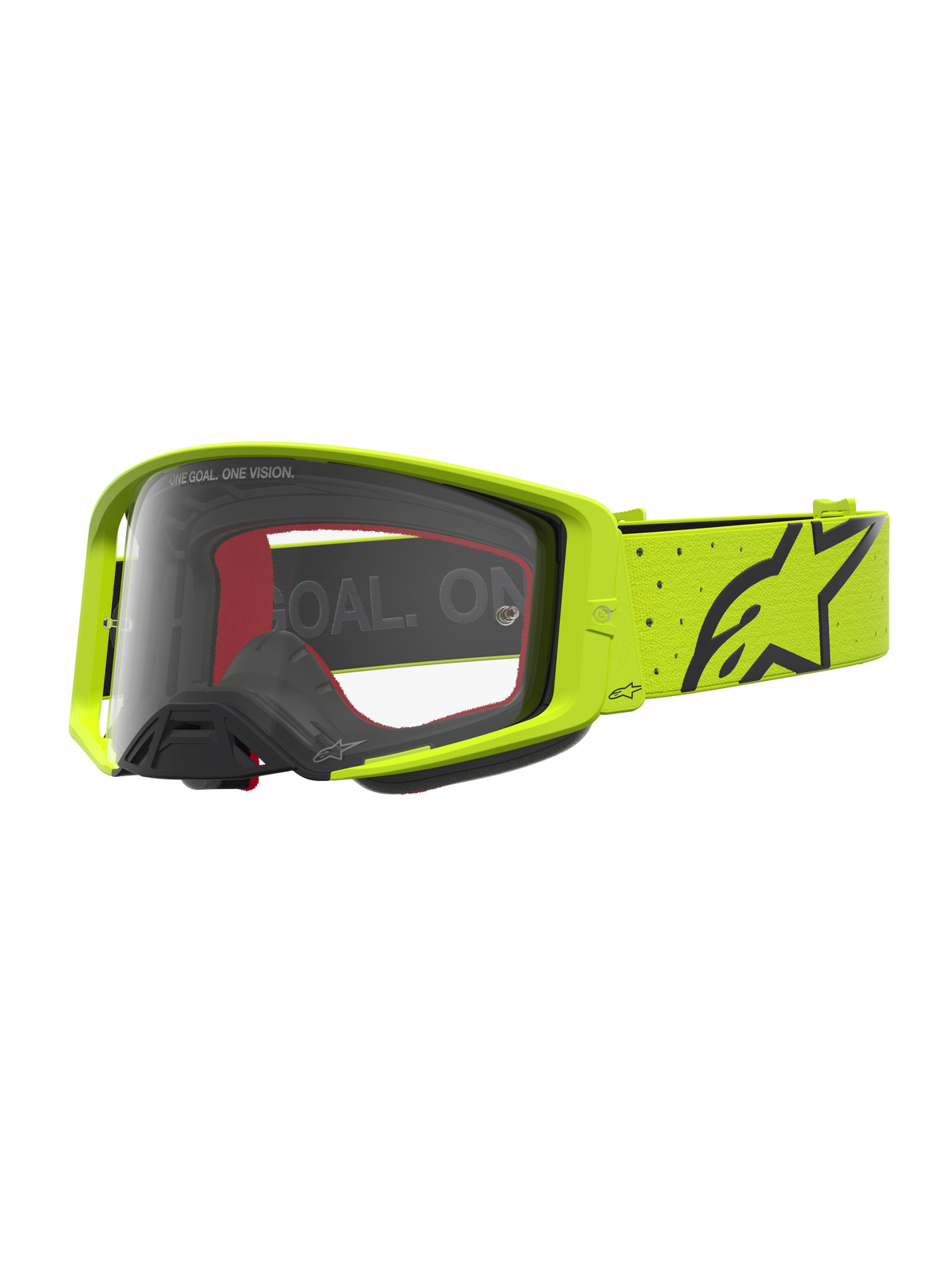
Supertech Hiten Goggles

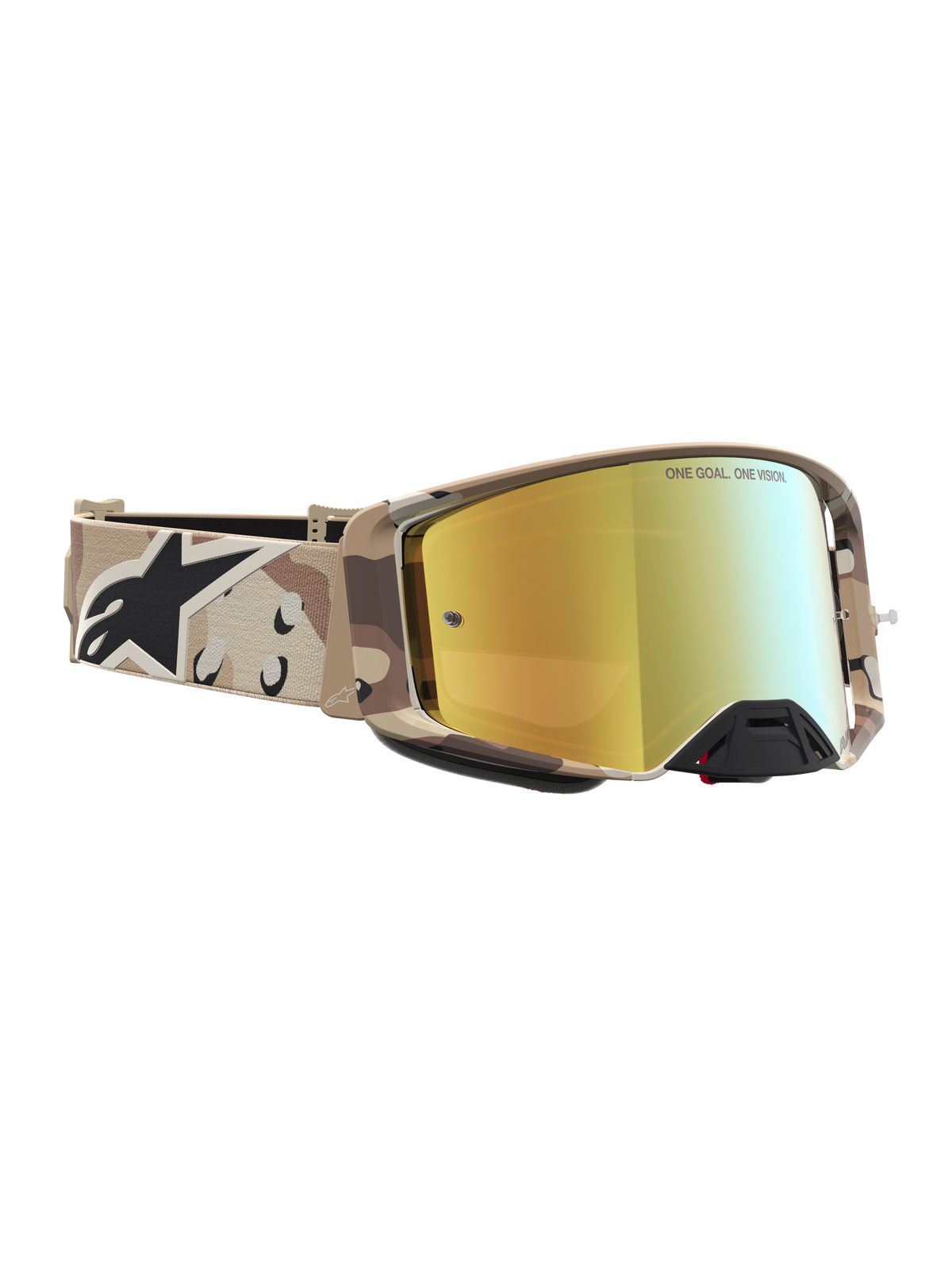


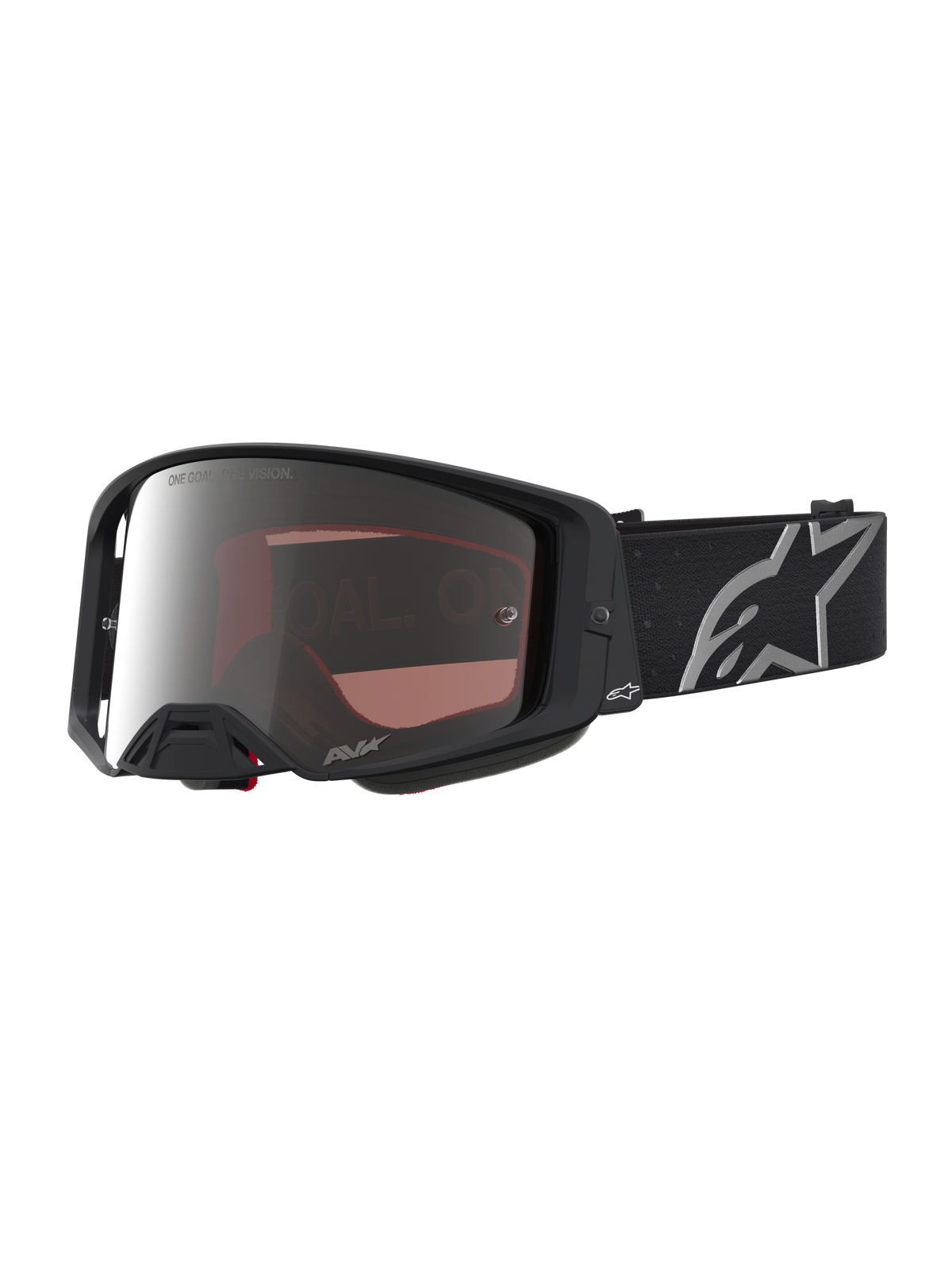


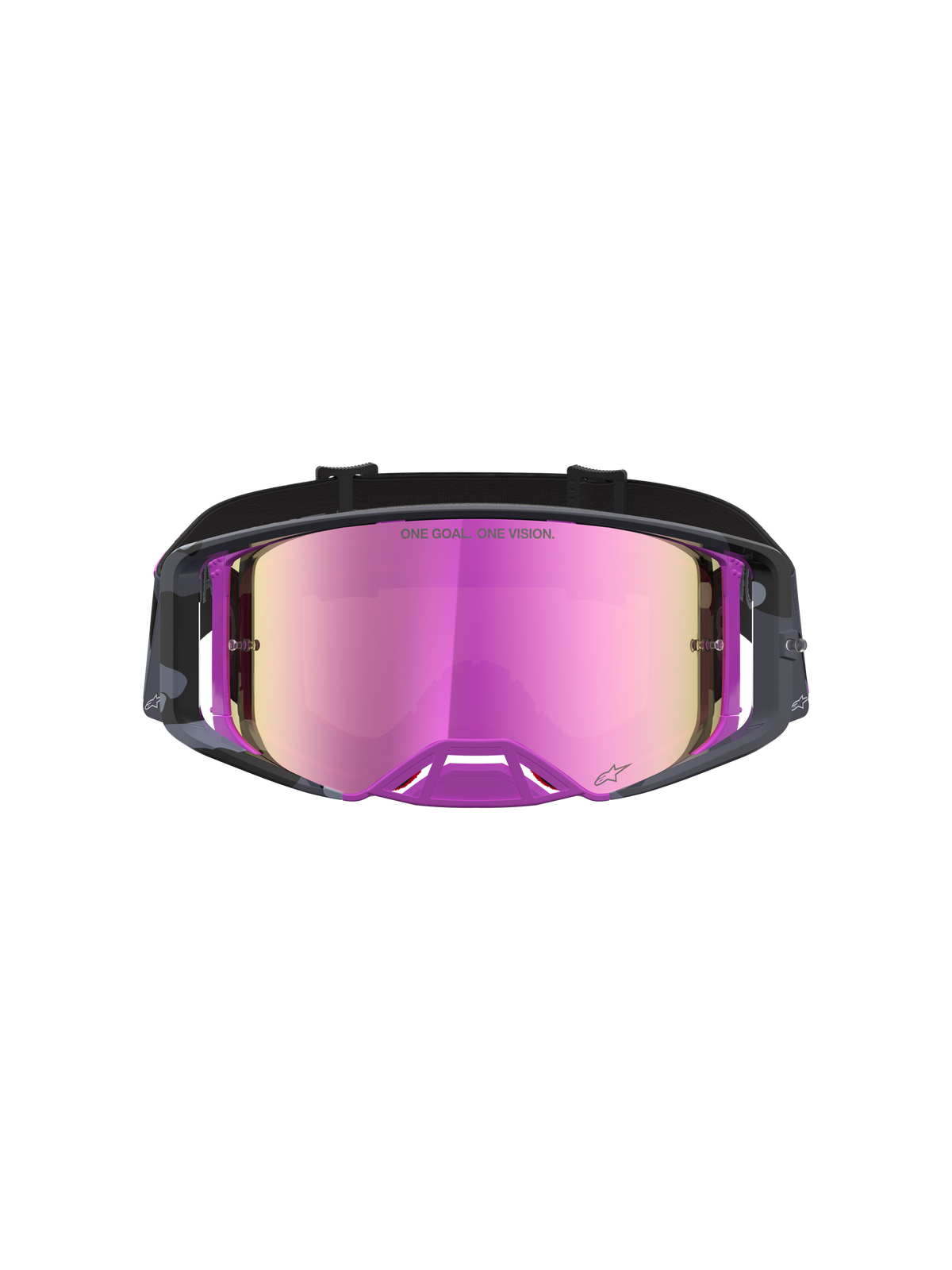

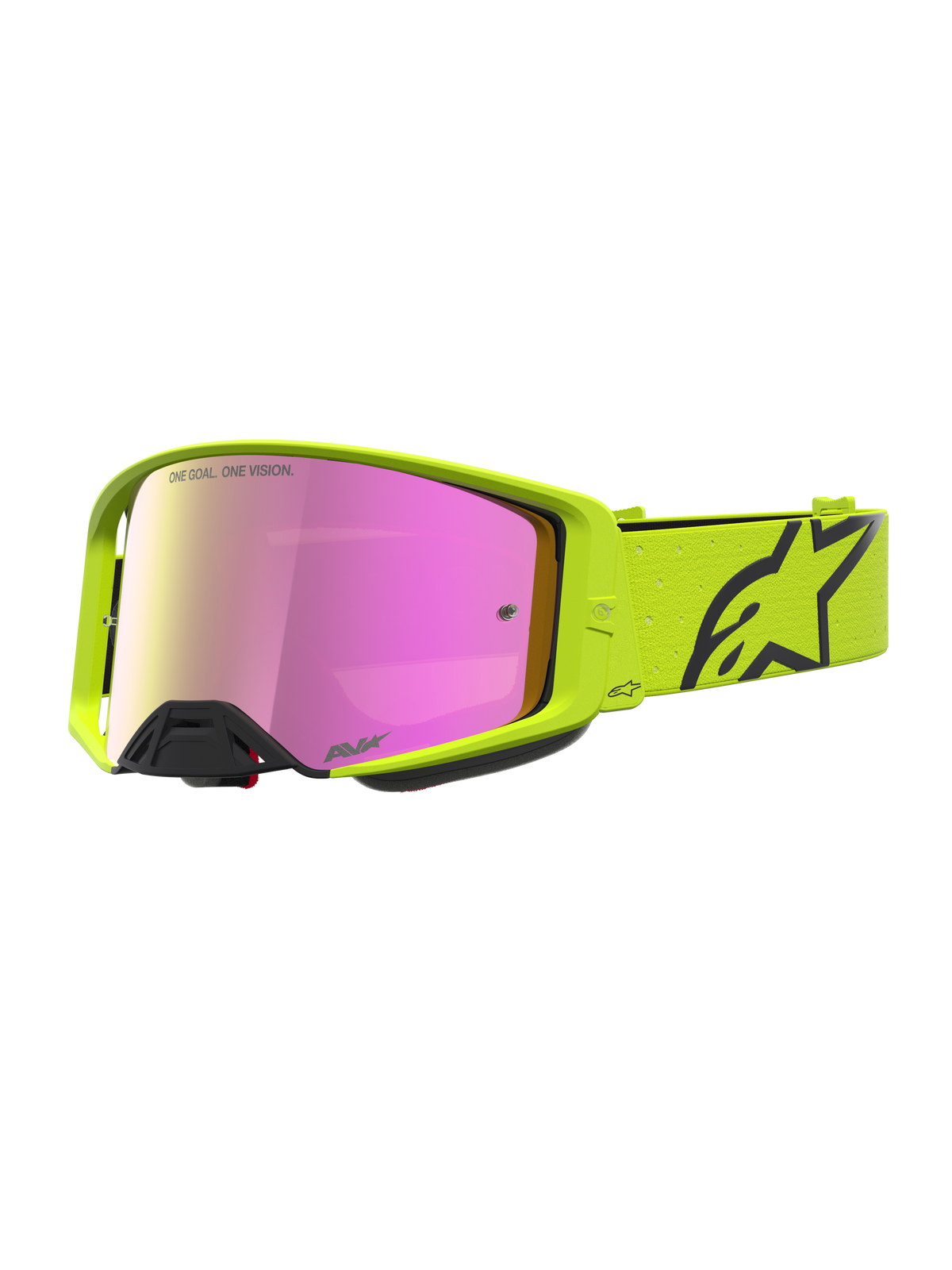
























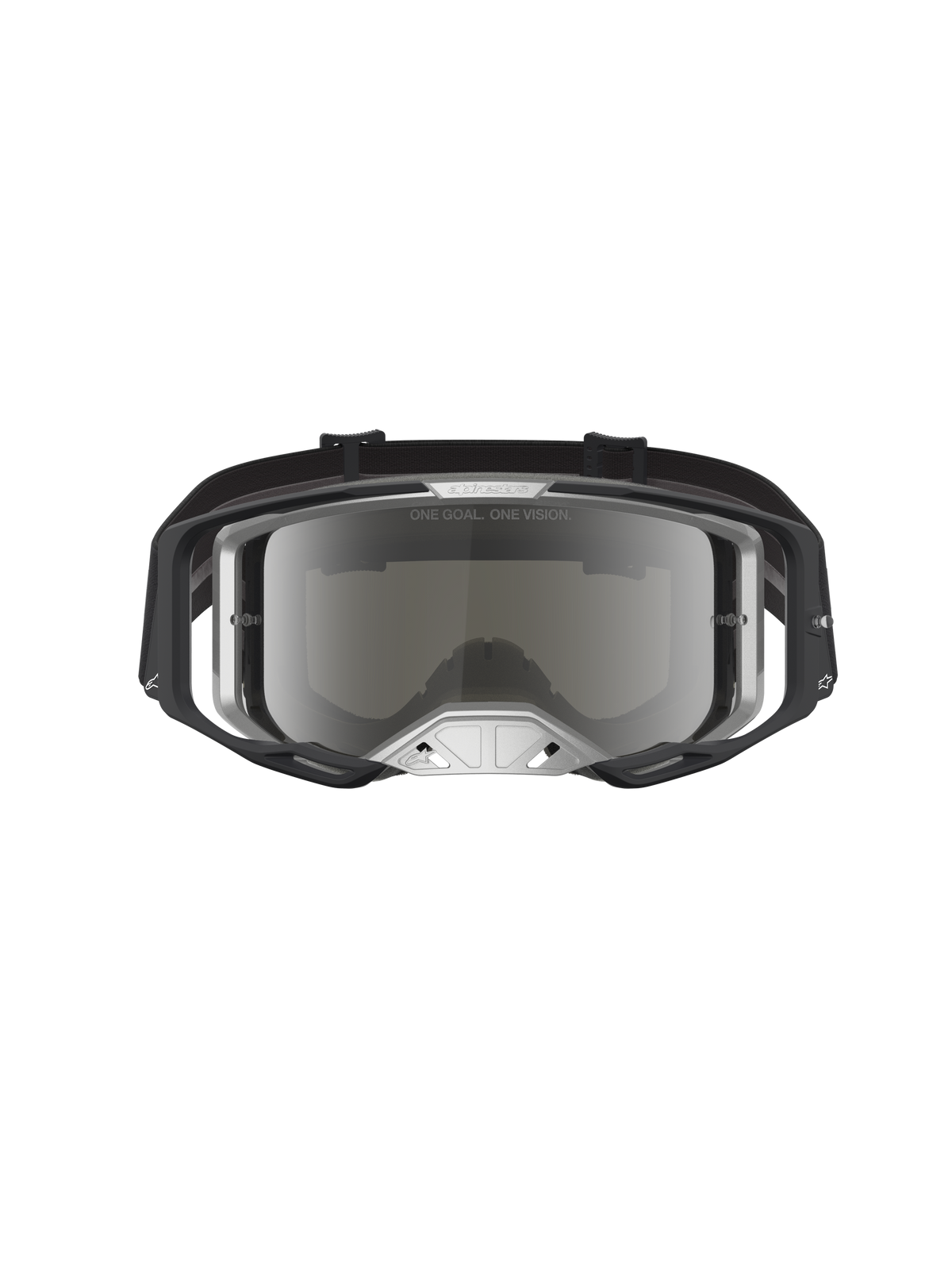

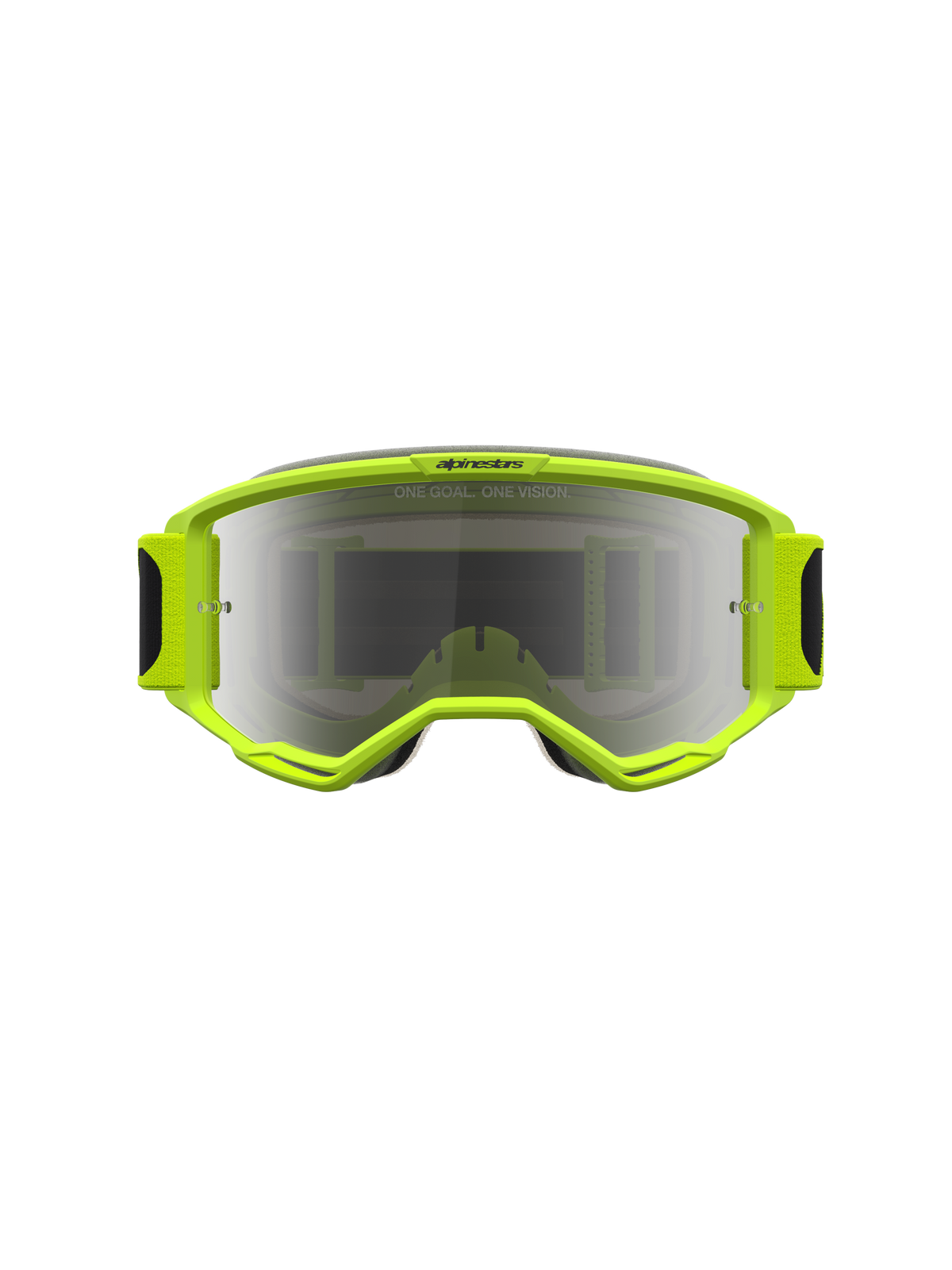

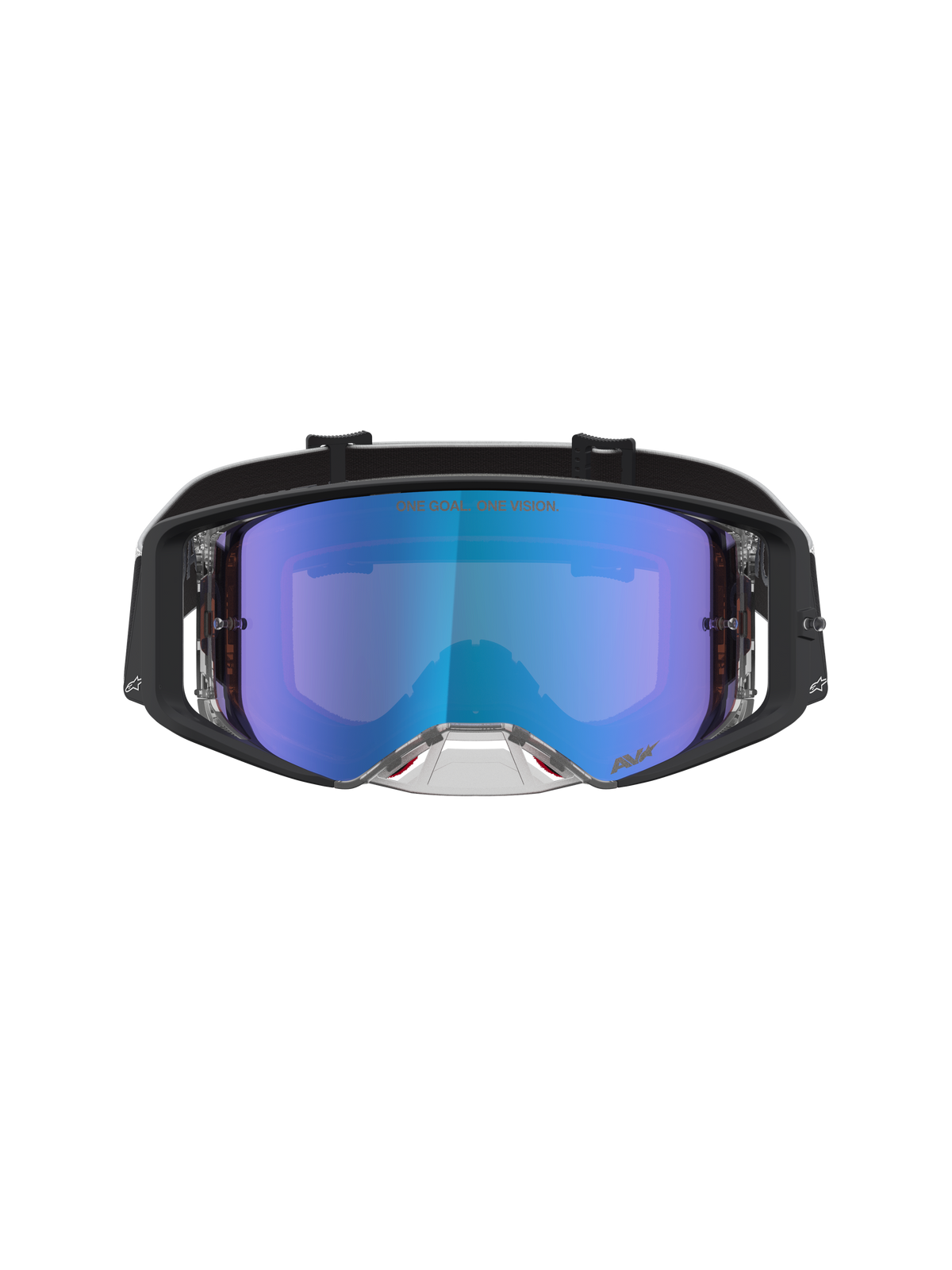


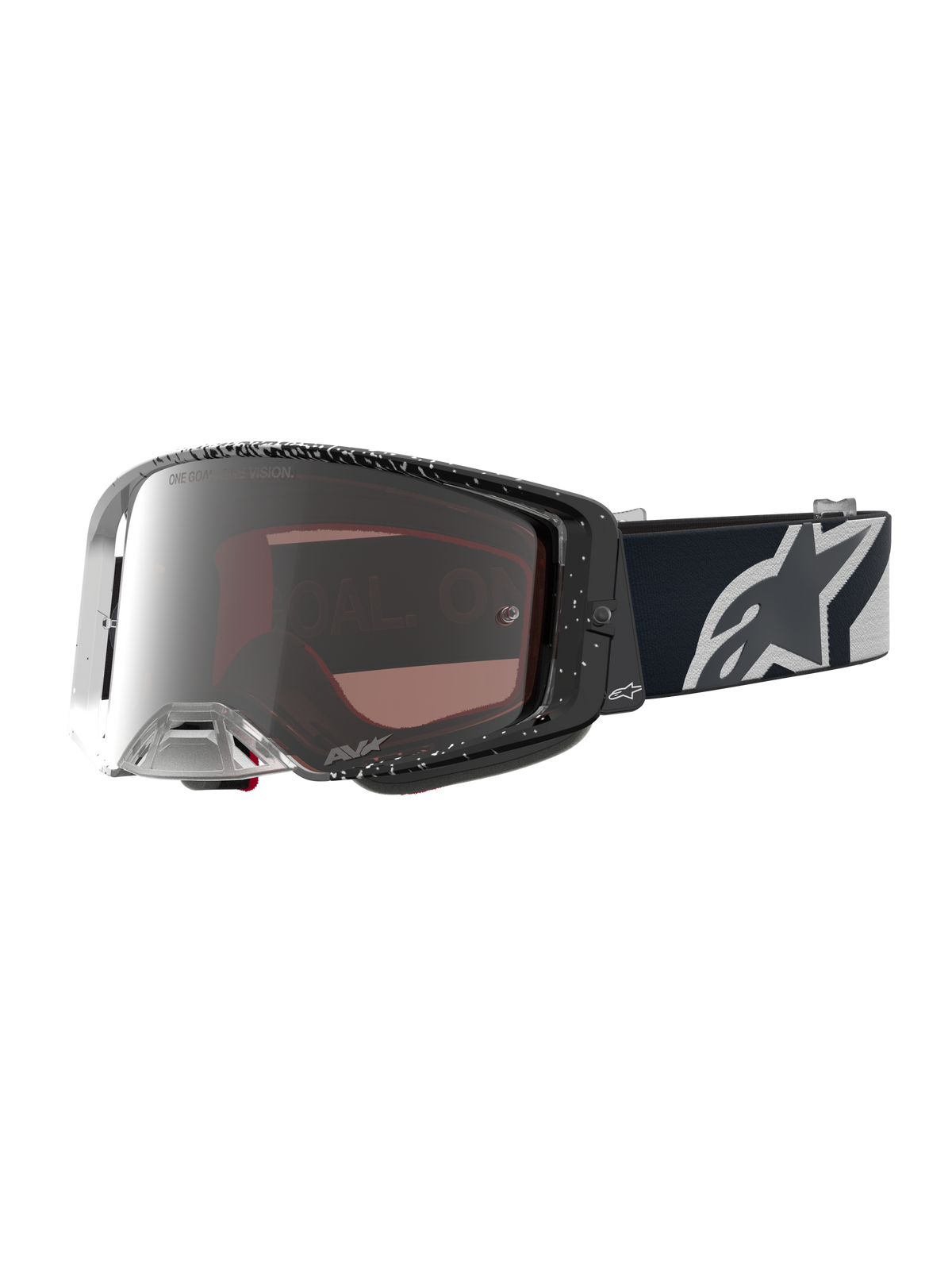



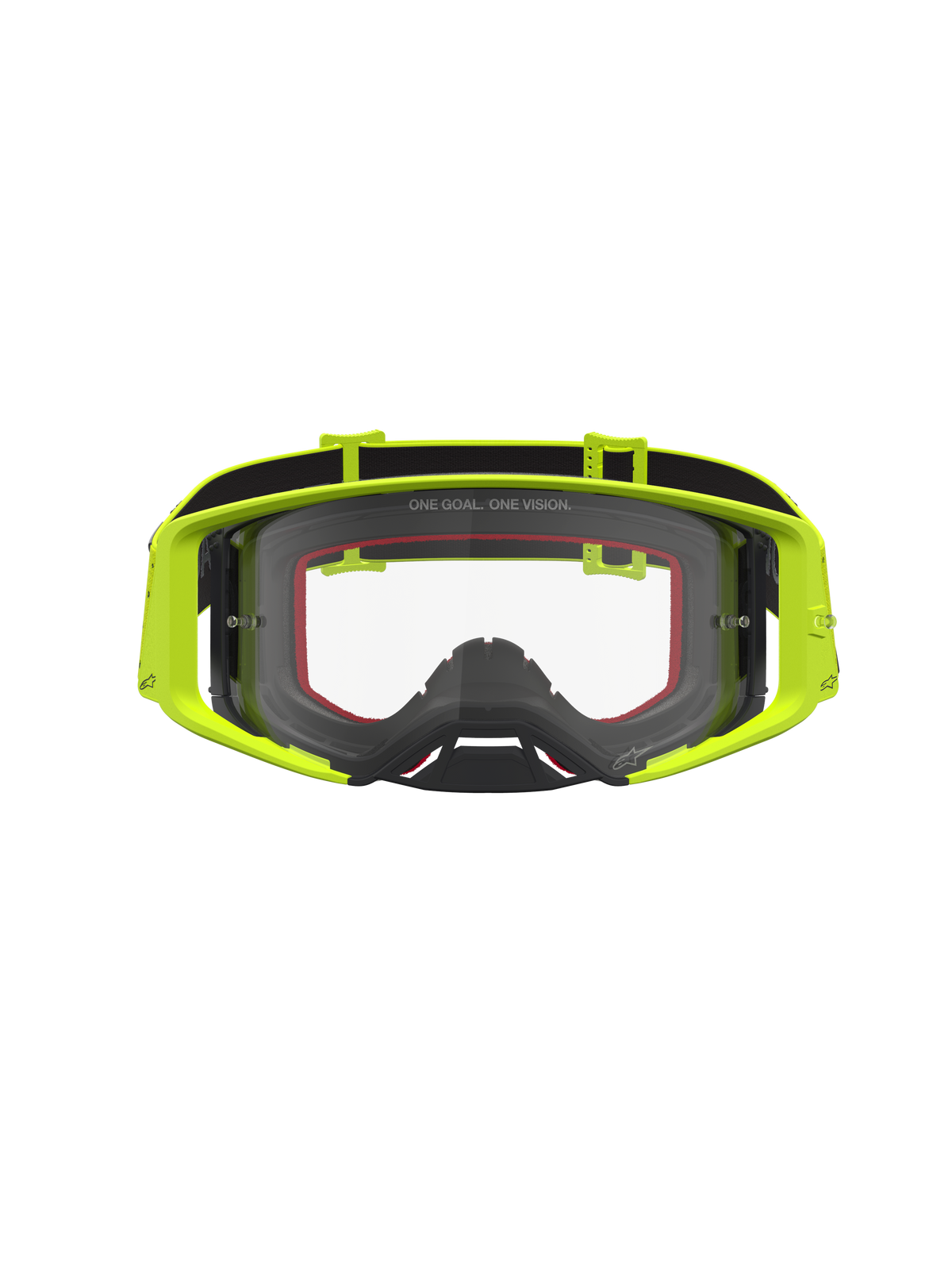

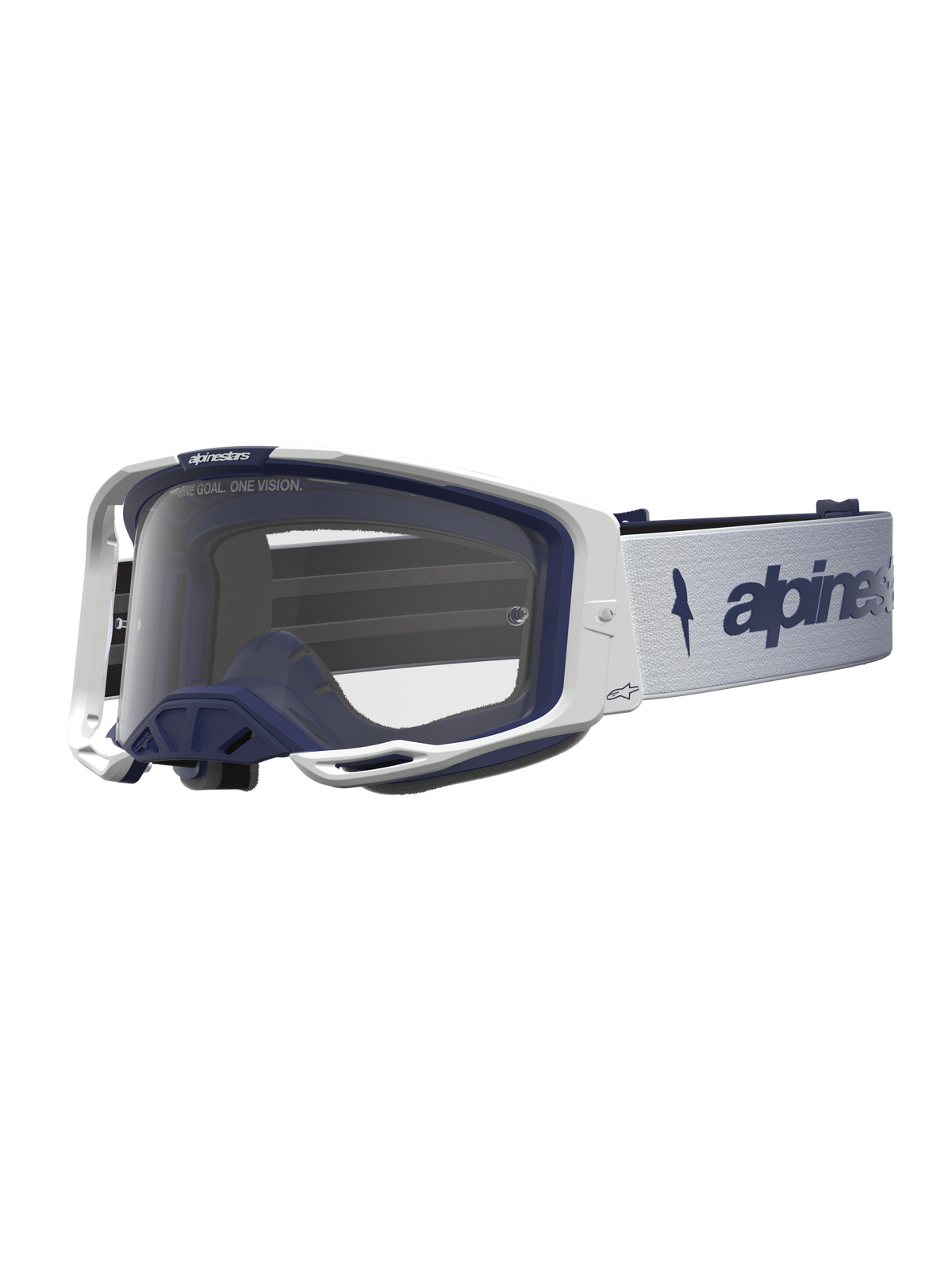


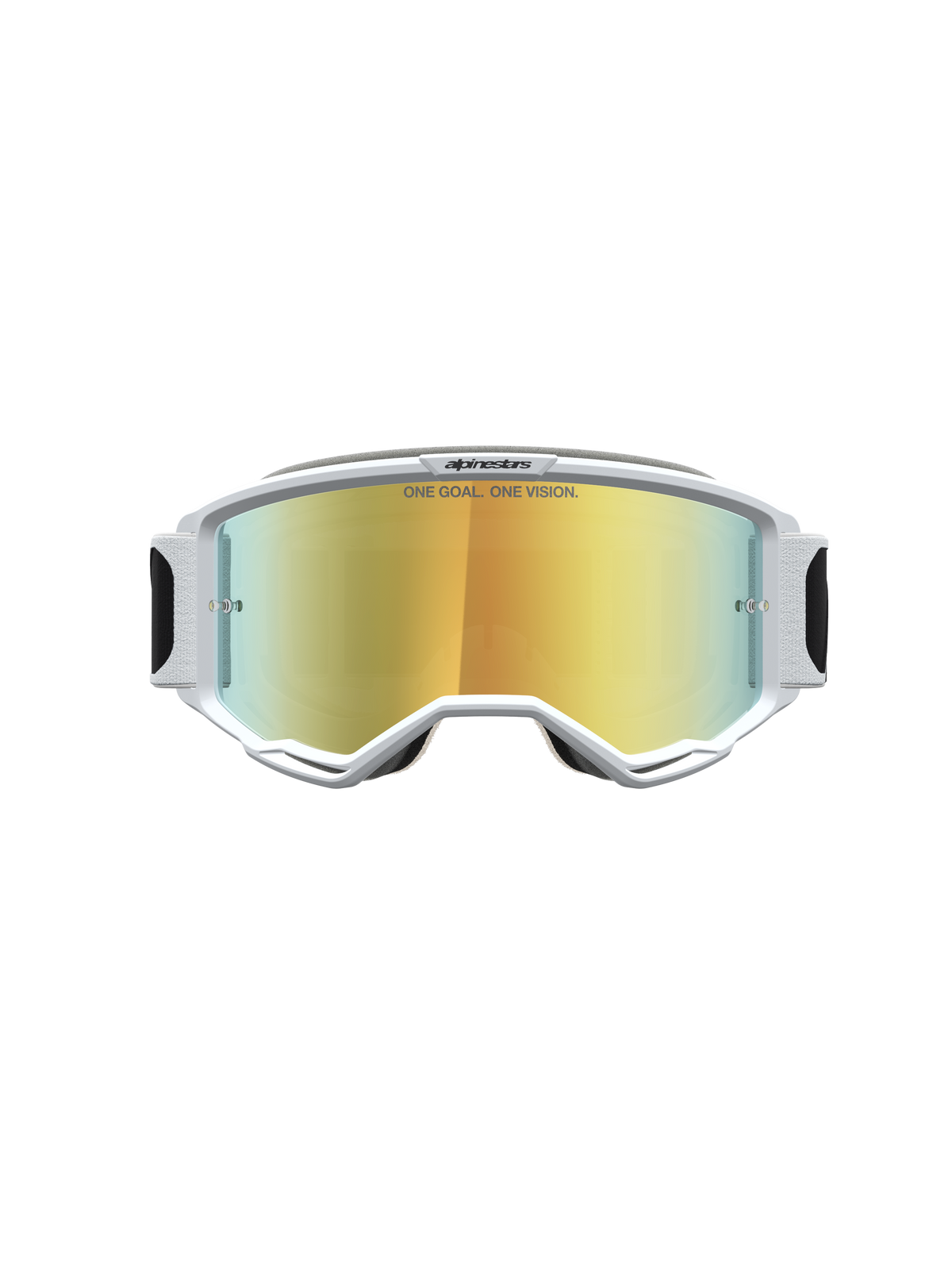
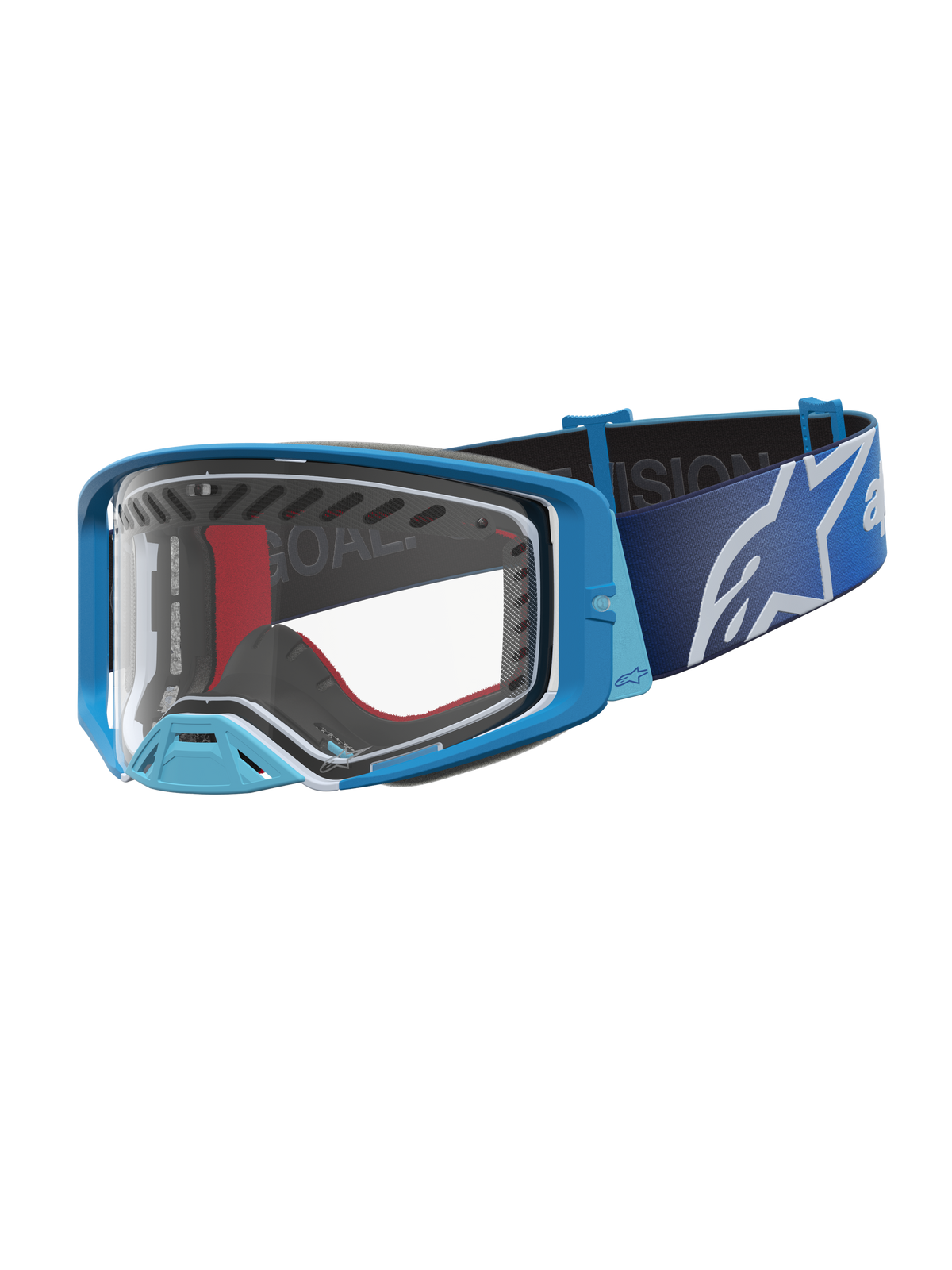



Frequently asked questions Hide FAQs
How do I choose the right lens tint for motocross and off-road riding?
Select lens tints based on light and terrain. Clear lenses maximize light for night or overcast rides, smoke/grey reduce glare in bright sun, and contrast tints (amber/yellow/rose) help define ruts and shadows in mixed-light forests. Photochromic lenses auto-adjust across changing conditions. Choose UV-protective, impact-resistant lenses for consistent optical clarity off-road. ([revzilla.com](https://www.revzilla.com/common-tread/everything-you-need-to-know-about-moto-goggles))
| Condition | Recommended lens | Why |
|---|---|---|
| Night/overcast | Clear | Maximum light transmission |
| Bright sun/desert | Smoke or mirrored | Glare reduction, comfort |
| Mixed light/woods | Amber/Yellow/Rose | Enhanced contrast and depth |
| All-day variable | Photochromic | Adapts to changing light |
| Mud/roost | Clear + film system | Maintain visibility with tear-offs or roll-offs |
For muddy racing or heavy roost, pair a clear lens with a film system to keep vision clean throughout the moto. ([riskracing.com](https://riskracing.com/blogs/news/what-are-goggle-roll-offs-tear-offs-vs-roll-offs-cost-automatic-wireless-systems))
Will these goggles fit my helmet, and how should I choose size?
Most adult off-road goggles use a universal frame size with a wide, silicone-lined strap that interfaces with the helmet’s eyeport; youth-specific frames suit smaller faces. For best fit, align the frame within your helmet eyeport without gaps, and ensure the strap sits level and tensioned around the shell. If you ride MTB and MX, check fit on both helmet types. ([revzilla.com](https://www.revzilla.com/common-tread/everything-you-need-to-know-about-moto-goggles))
OTG (over‑the‑glasses) frames exist for prescription eyewear; look for deeper frames with side cutouts and anti‑fog features. To compare headgear, browse compatible MX helmets and MTB helmets before finalizing your goggle choice. ([100percent.com](https://www.100percent.com/collections/over-the-glasses-otg))
Can I use tear-offs or roll-offs with these goggles?
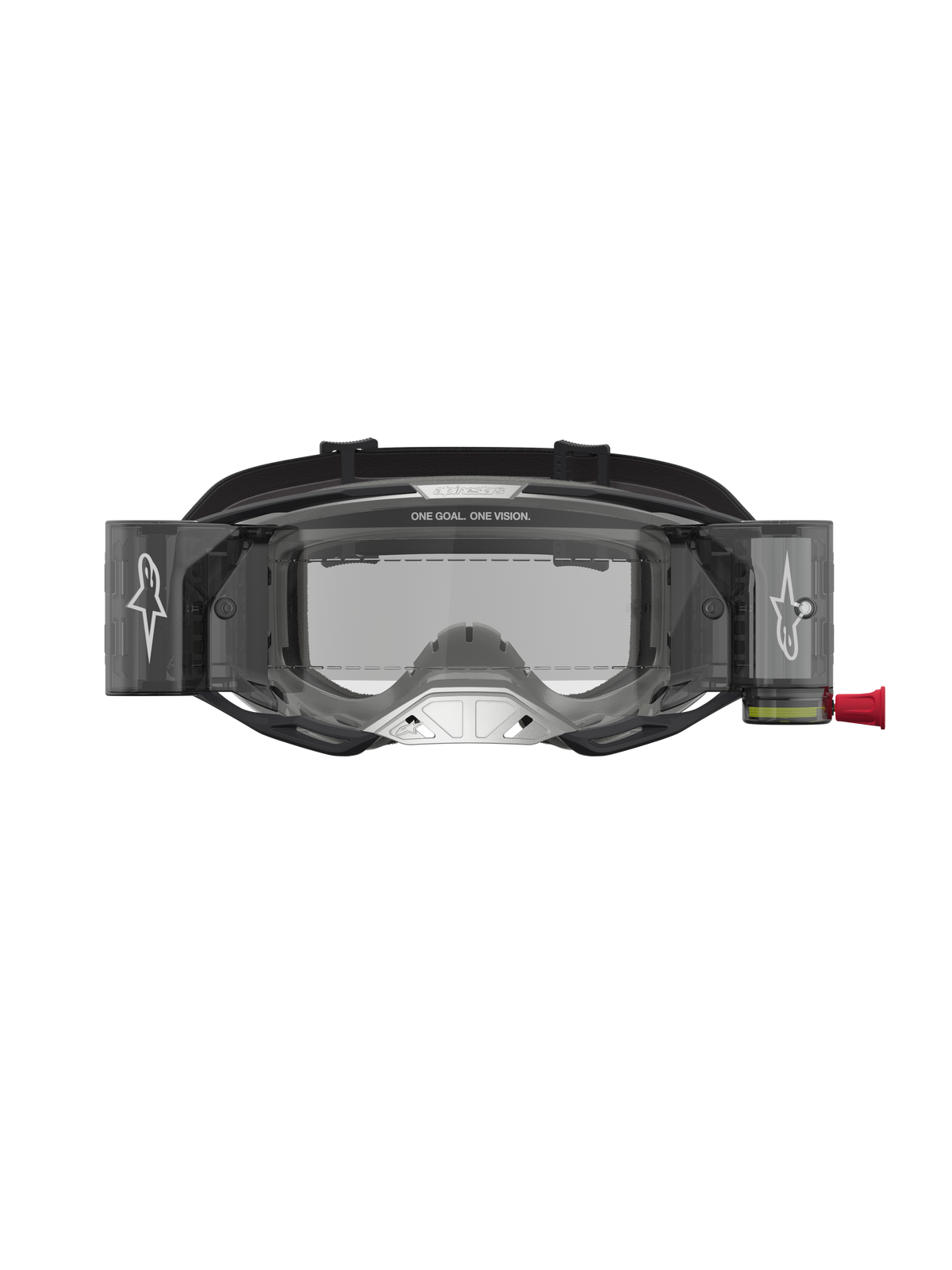
Many off-road goggles accept tear-off stacks via lens posts or roll-off canisters that mount to the frame. Tear-offs offer rapid, single-pull clarity on well-groomed tracks; roll-offs provide extended, continuous clearing in mud and enduro conditions. Choose based on terrain, race length, and series requirements. ([alpinestars.com](https://www.alpinestars.com/blogs/blog-post/how-to-choose-the-right-motocross-goggles))
Note that some events and venues restrict or prohibit tear-offs for environmental reasons; roll-offs are often the permitted alternative. Always check your organizer’s rules before race day. Explore compatible film systems in goggles accessories. ([cyclenews.com](https://www.cyclenews.com/2024/01/article/goggle-tear-offs-no-longer-allowed-at-ama-national-enduro-series/))
Do off-road goggles have safety certifications?
Motorcycle/off-road goggles are commonly designed to meet EN 1938:2010, a European standard covering optical quality, impact resistance, strap retention, UV protection, and ventilation for goggles used on-road and off-road. Look for EN 1938 or equivalent compliance in the product details to verify impact-rated eye protection. ([ce-marking.help](https://ce-marking.help/directive/personal-protective-equipment/standard/2691/en-19382010))
How should I clean and maintain my goggles to prevent fogging and scratches?
Rinse off mud and grit with clean water first, then wash the lens with mild soap and a soft microfiber; avoid dry-wiping or household glass cleaners that can scratch or damage anti-fog coatings. Do not touch or rub the inner anti-fog surface; let goggles air-dry away from direct heat and store them in a soft bag or case. ([motosport.com](https://www.motosport.com/blog/how-to-clean-dirt-bike-goggles-without-scratching-the-lens))
Between rides, clean or replace film systems, wash the strap as needed, and inspect lenses and foam for wear. Use fresh anti-fog only on a clean surface, and maintain ventilation to reduce moisture buildup. ([oc1official.com](https://oc1official.com/blog/fogged-motocross-goggles-how-to-solve-it))