
7 results









Frequently asked questions Hide FAQs
What types of MTB helmets are available in the outlet collection?
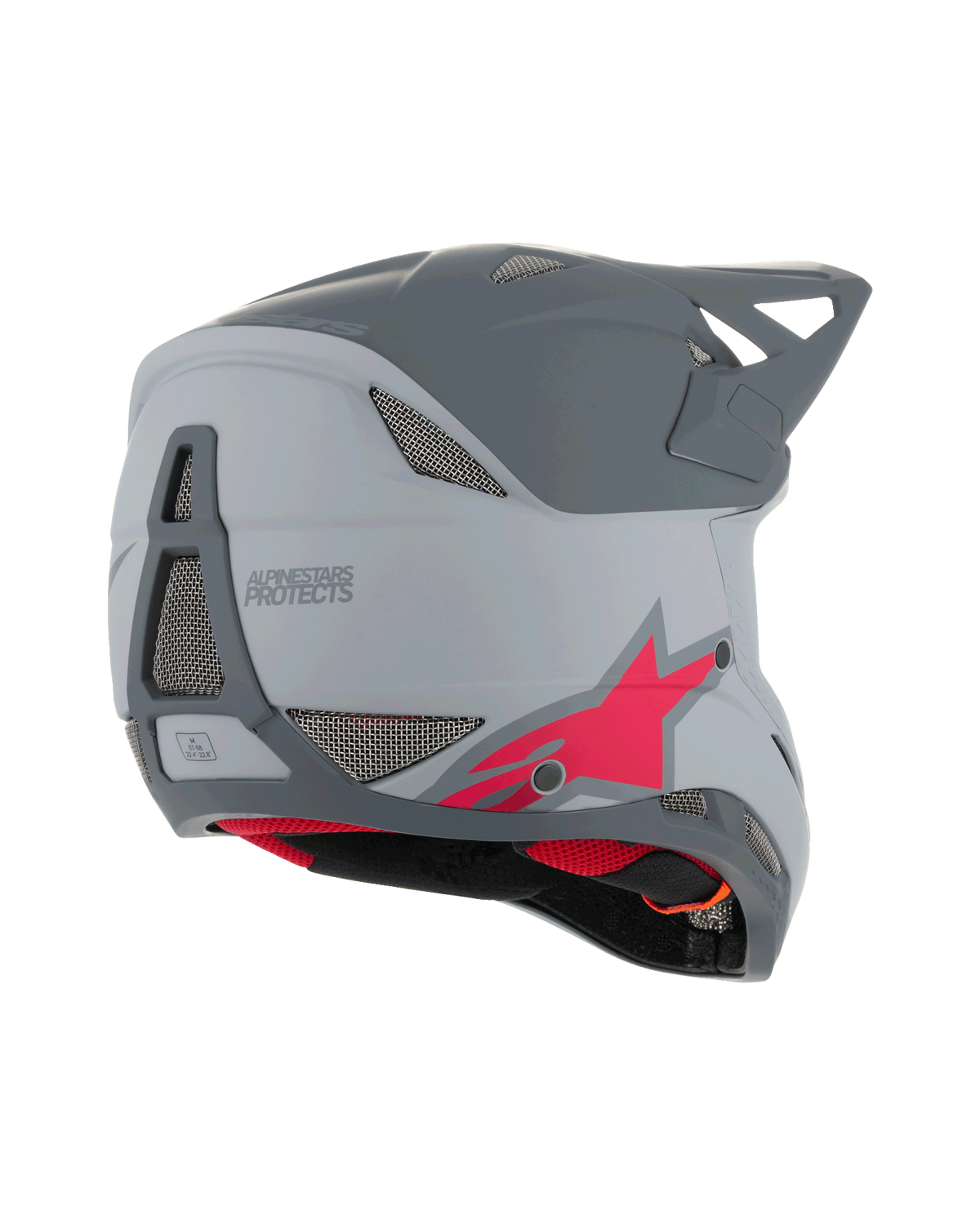
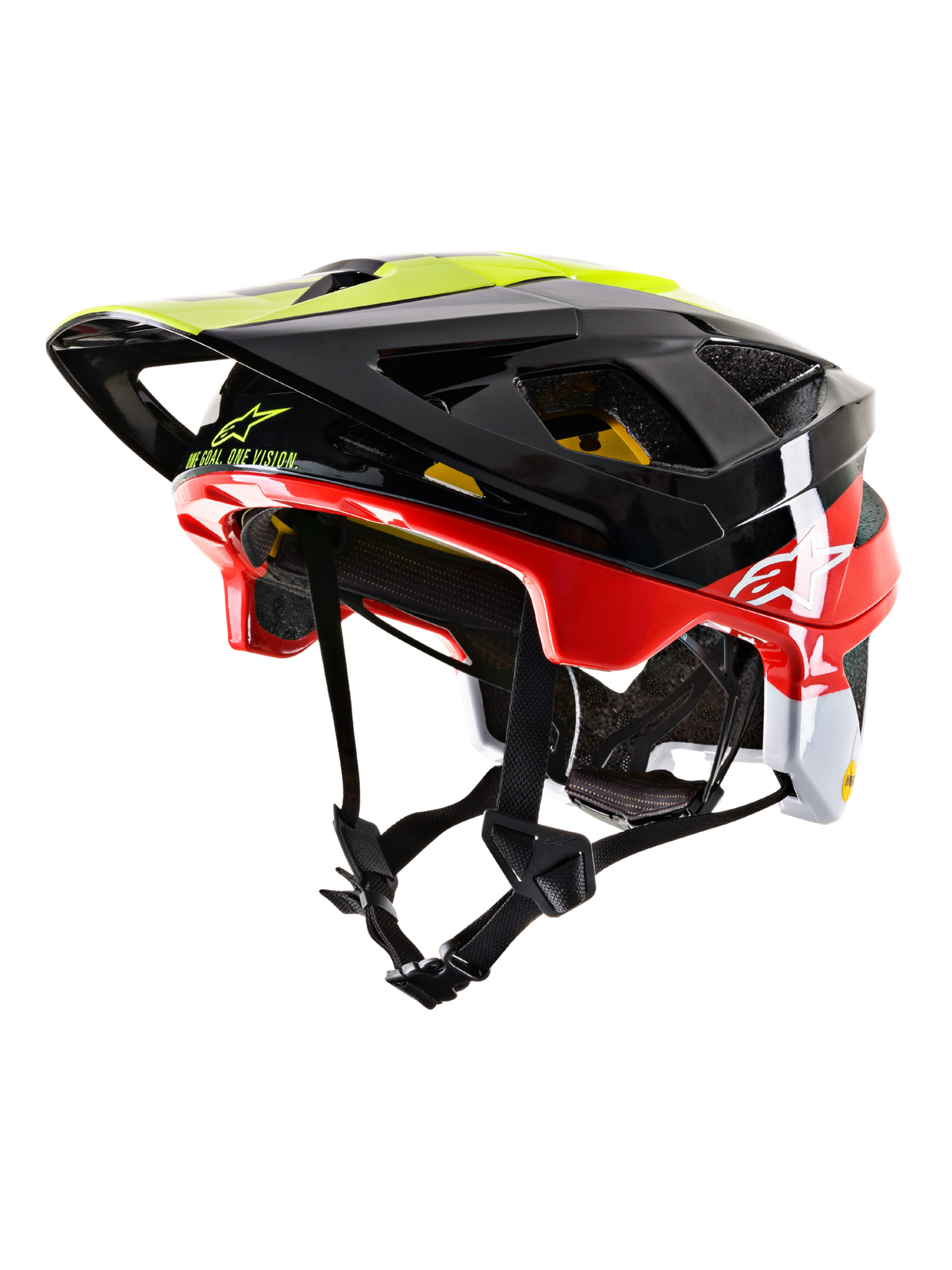
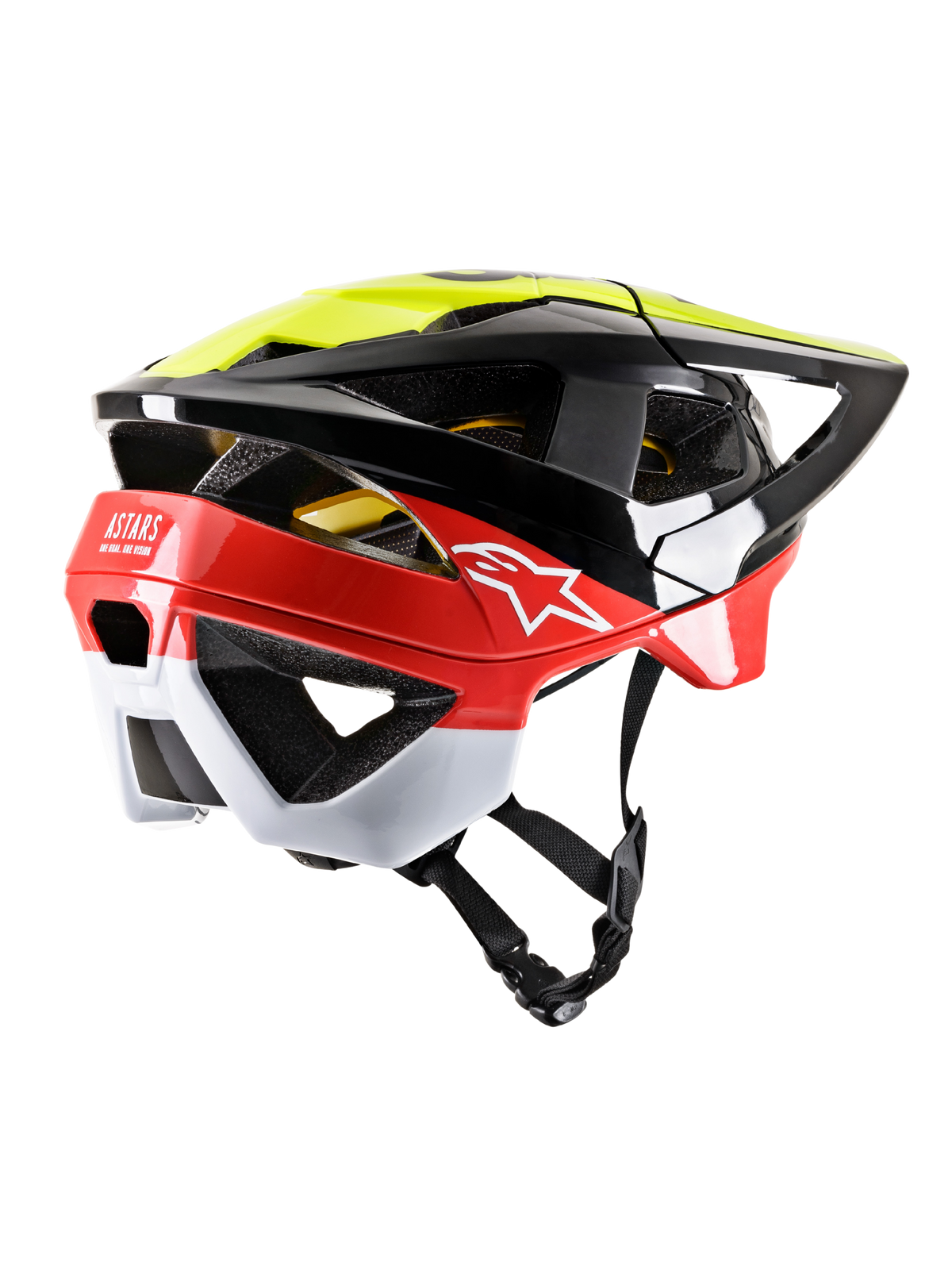
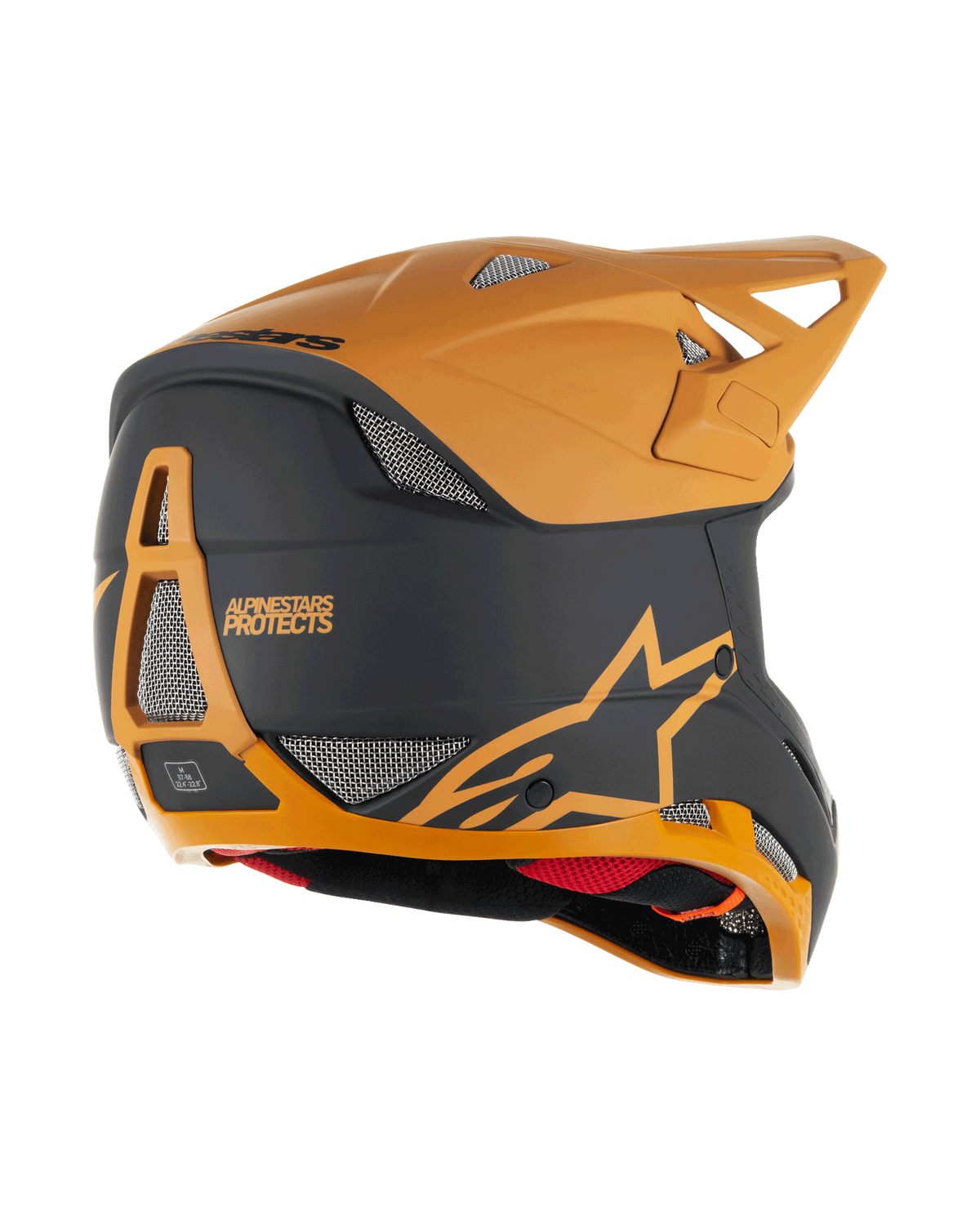
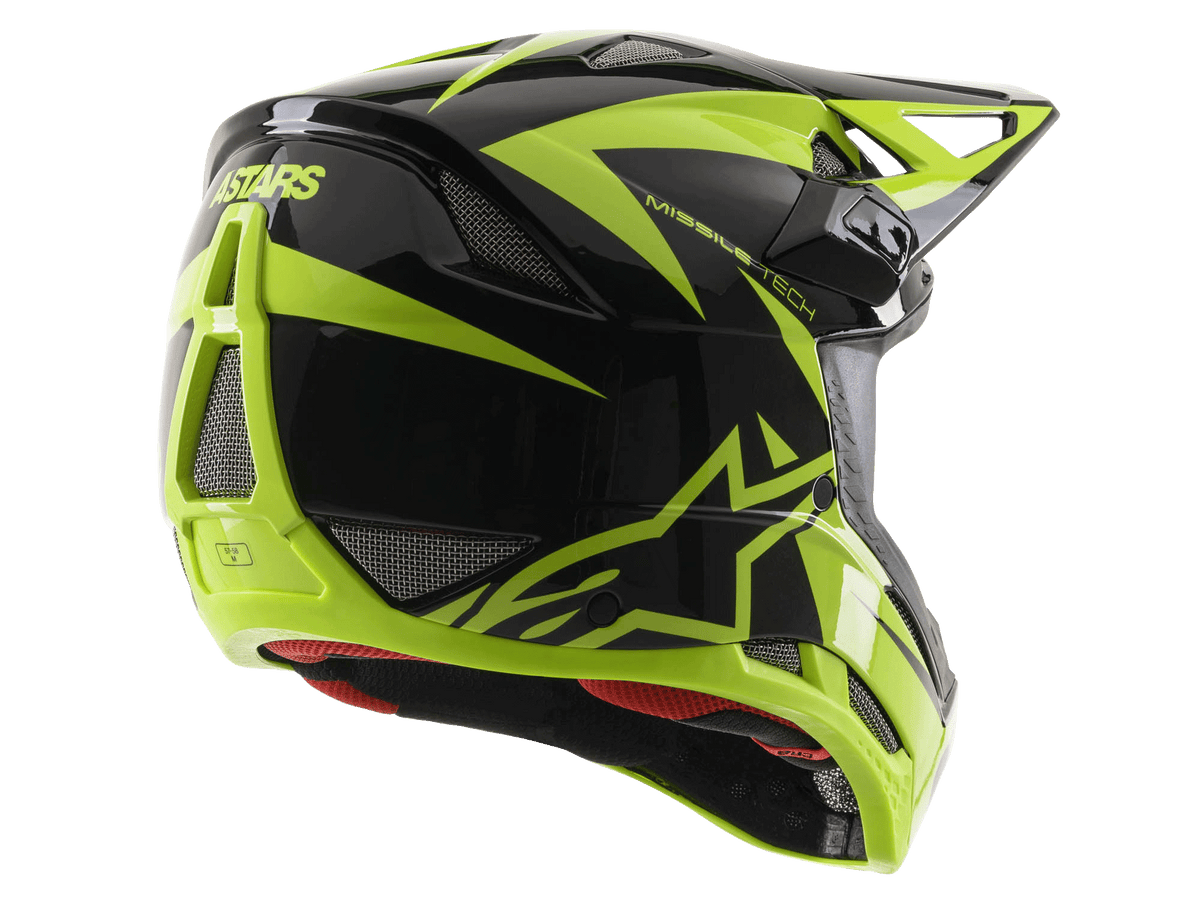
The MTB Helmets Outlet typically includes both open-face and full-face mountain bike helmets. Open-face designs are generally the best fit for trail, all-mountain, and longer pedal-heavy rides where ventilation and lower weight matter, while full-face options are better suited to more aggressive enduro, downhill, and bike-park use where additional facial coverage is beneficial.
If you want the broadest choice beyond outlet availability, you can also explore the full MTB helmets range and the wider MTB outlet selection.
How should an MTB helmet fit?
An MTB helmet should sit level on the head with secure coverage around the forehead, sides, and rear, without pressure points or excessive movement. The retention system should tighten evenly so the helmet stays stable on rough terrain, and the chin strap should be snug without restricting comfort.
Many helmets in this collection use adjustable fit systems and multiple shell sizes to help dial in a more precise fit. When choosing your size, measure your head circumference and compare it with the size chart shown on the product page for the specific helmet.
Are outlet MTB helmets still certified for protection?
Yes. Outlet pricing does not change the intended protection standard of the helmet. Alpinestars MTB helmets in this category are built and tested as protective cycling helmets, but the exact certification can vary by model and market.
Depending on the helmet, product pages may reference standards such as EN 1078 and U.S. CPSC compliance. Some helmets in the broader Alpinestars MTB range also include features such as MIPS and extended temple or nape coverage, so it is best to check the individual product page for the exact certification and feature set before ordering.
Are Alpinestars outlet MTB helmets compatible with goggles and sunglasses?
Many MTB helmets in this collection are designed with trail use in mind, so goggle and eyewear compatibility is a common feature. Depending on the model, you may find adjustable visors, storage space for goggles under the visor, and shapes intended to work comfortably with riding glasses.
For aggressive descending and enduro use, riders often prefer goggles paired with full-face helmets. For trail and all-mountain riding, open-face helmets are commonly used with either sunglasses or goggles, depending on conditions and rider preference.