
26 results
-
S-R7 Solid Helmet -
S-R7 A-Core Helmet -
S-R7 A-Core Helmet -
S-R7 A-Core Helmet -
Supertech R10 Team Helmet -
Supertech R10 Solid Helmet -
Supertech R10 Solid Helmet -
Supertech R10 Element Helmet -
S-R7 Solid Helmet -
S-R7 Solid Helmet -
S-R7 Zeal Helmet -
S-R7 Kinetis Helmet -
Supertech R10 Element Helmet -
Supertech R10 Miller Limited Edition Helmet -
Supertech R10 Arius Helmet -
Supertech R10 Arius Helmet -
S-R7 Solid Helmet -
S-R7 Kinetis Helmet -
S-R7 Lumen Helmet -
S-R7 Zeal Helmet -
Supertech R10 Arius Helmet -
Supertech R10 Team Helmet -
Supertech R10 Limited Edition Flyte Helmet -
Supertech R10 Acosta Limited Edition Helmet -
S-R7 Lumen Helmet -
Limited Edition Supertech R10 Martinator Thai Helmet


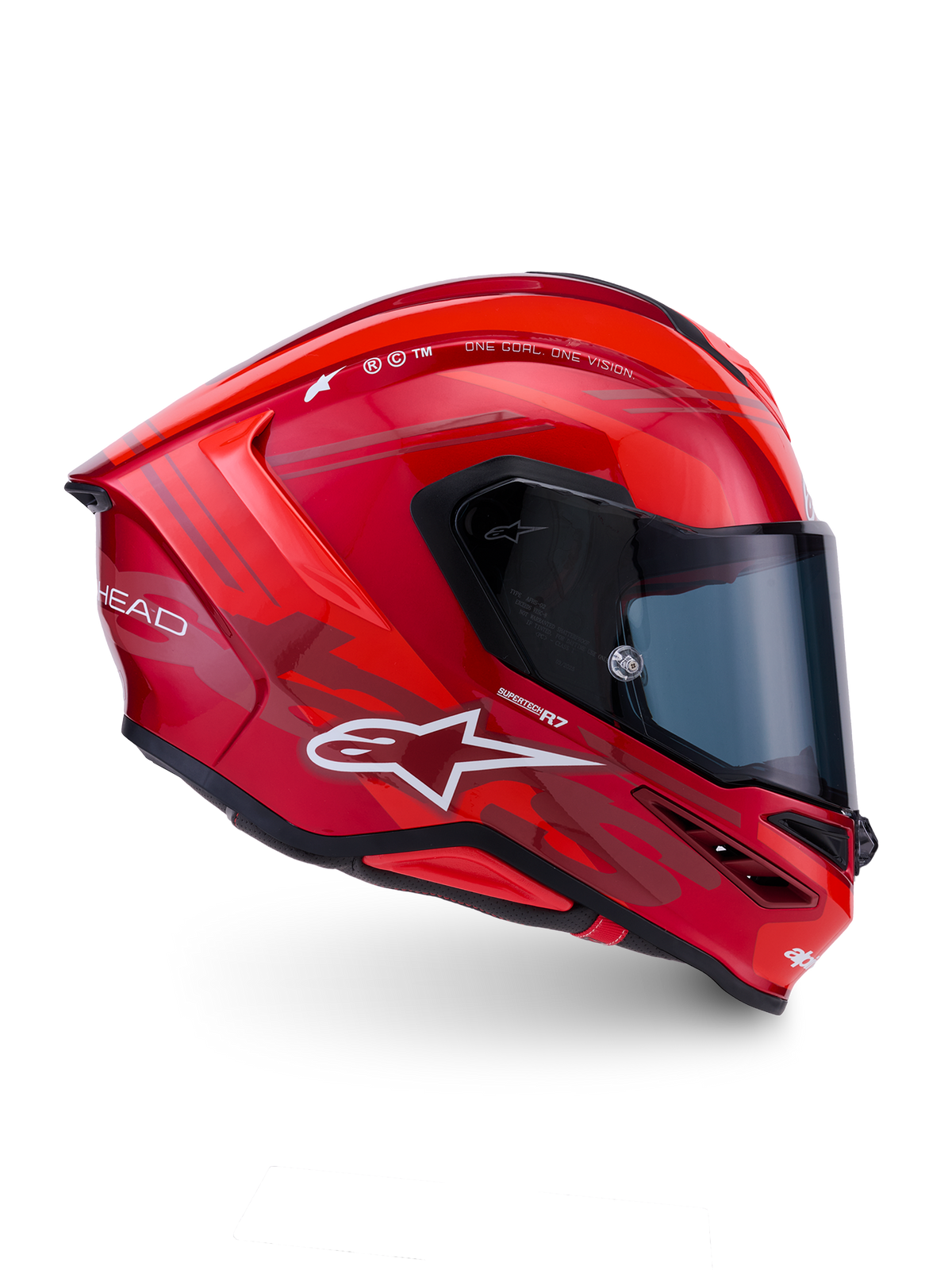

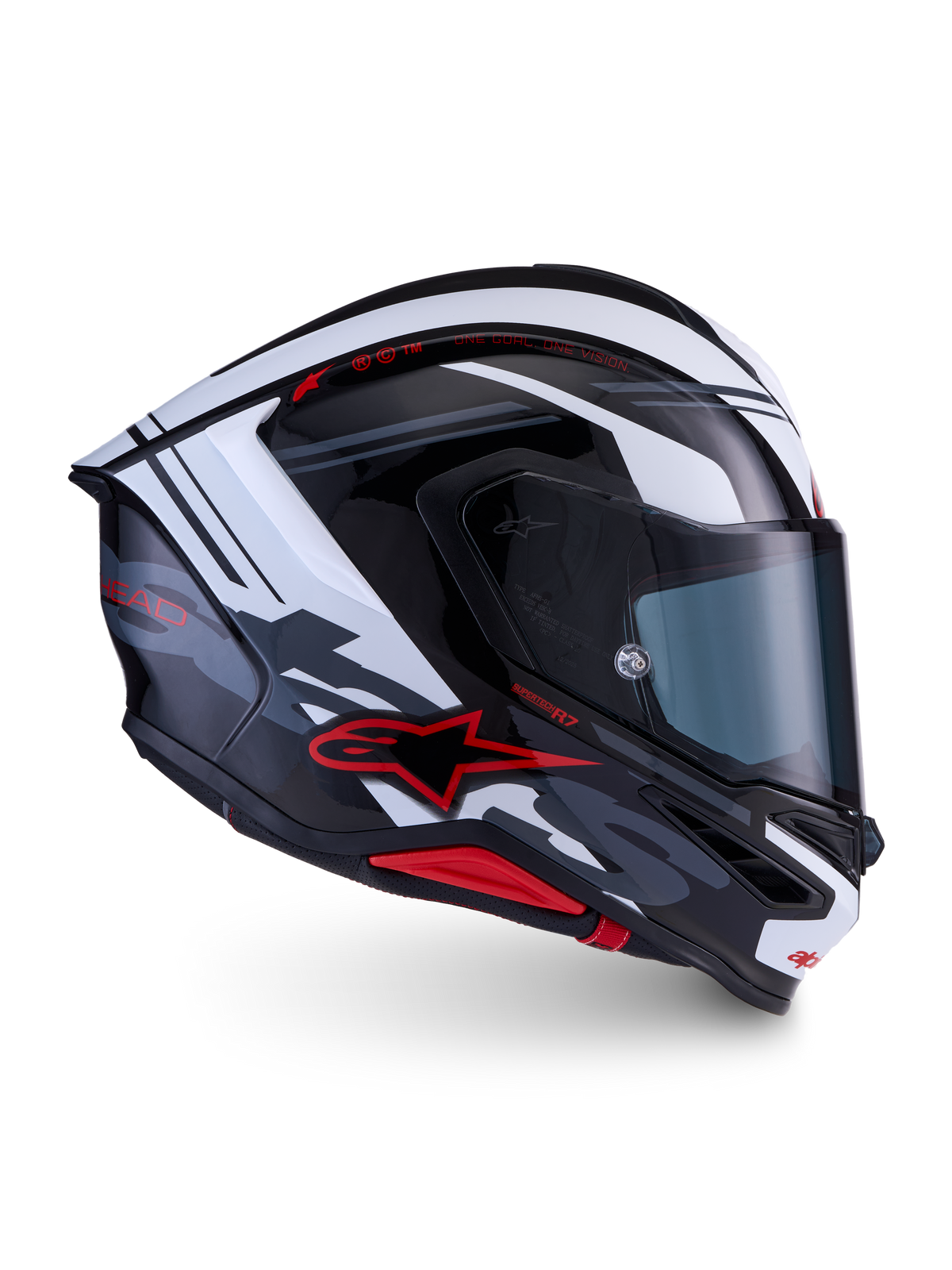

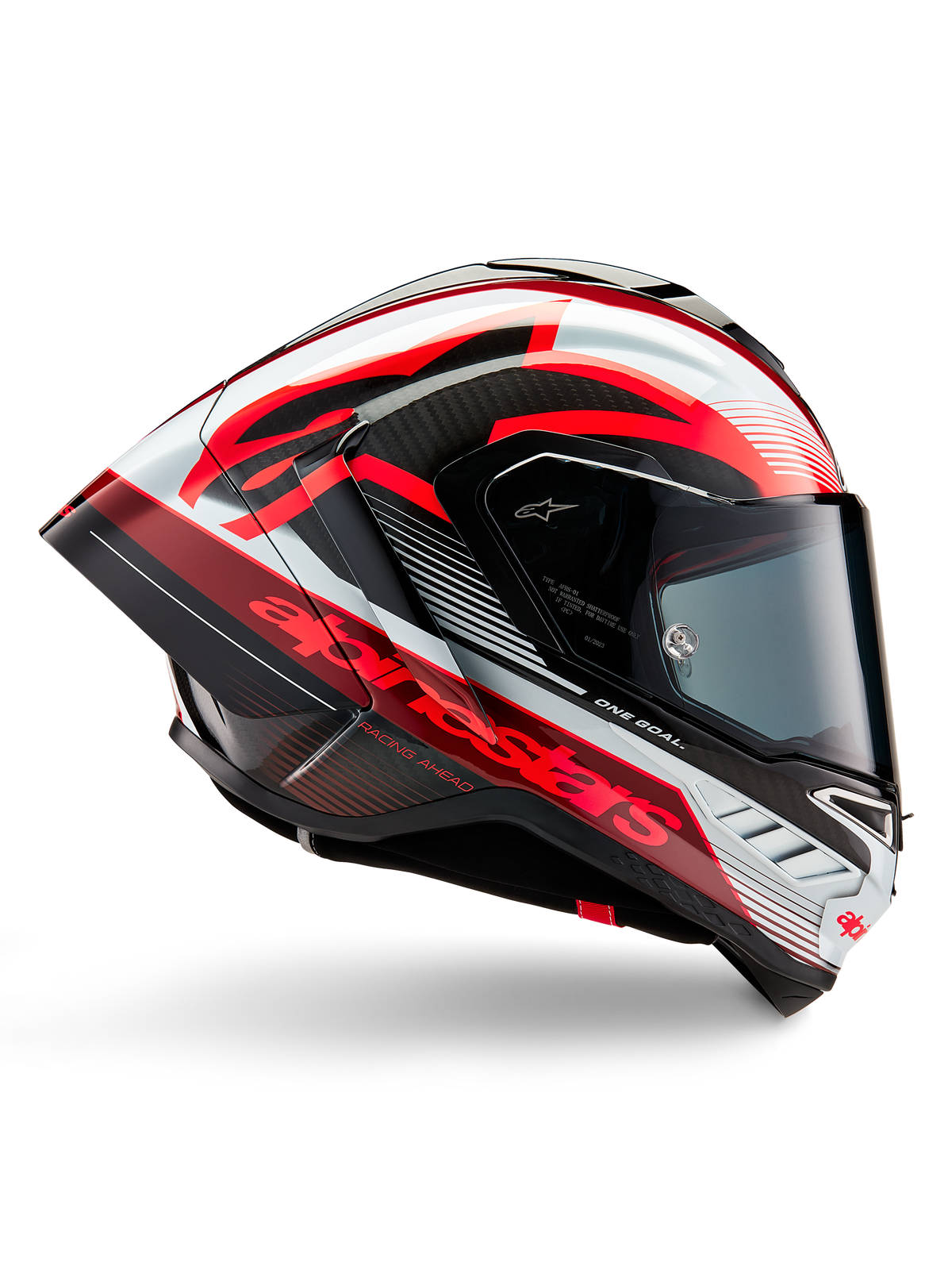
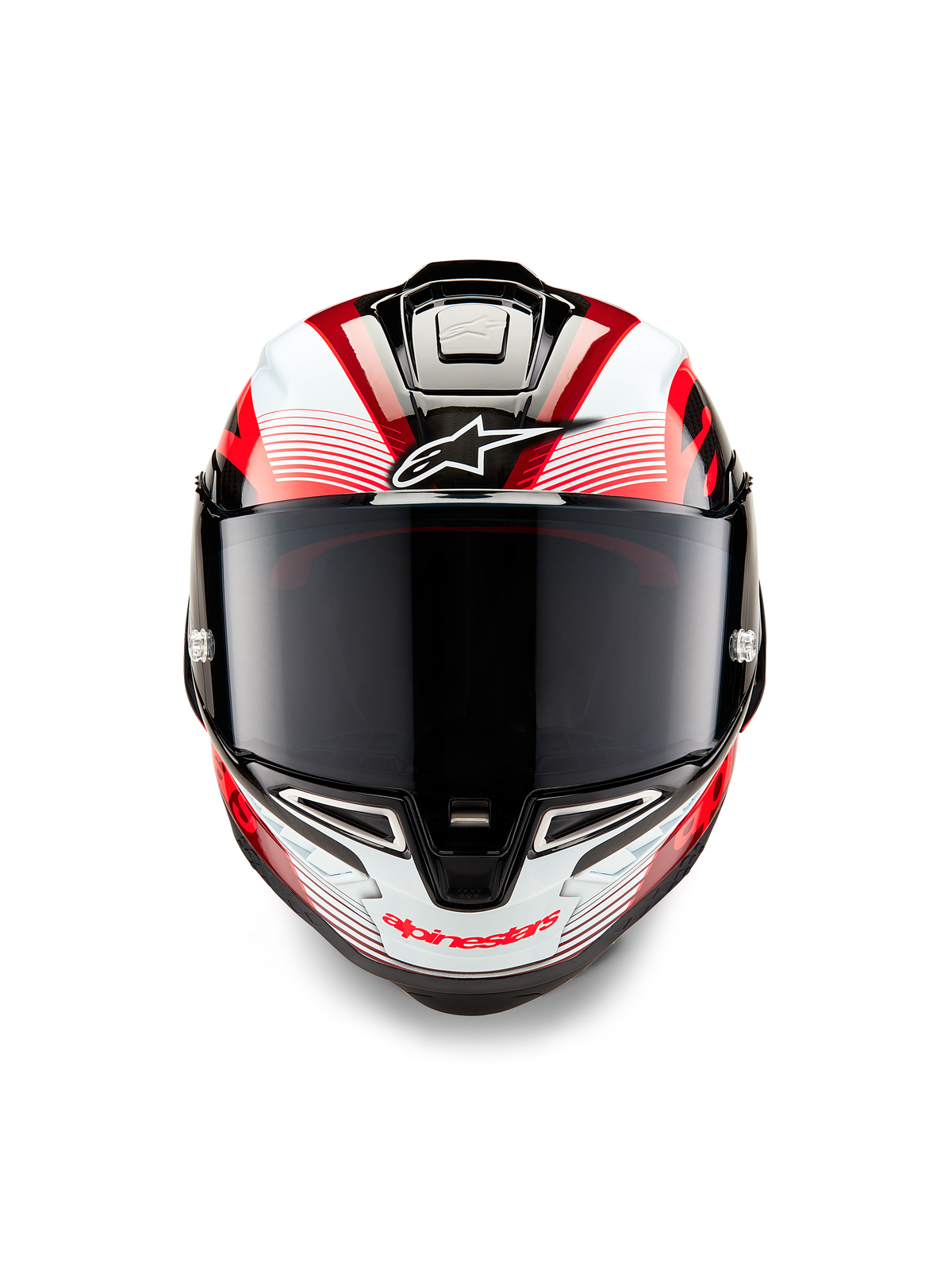


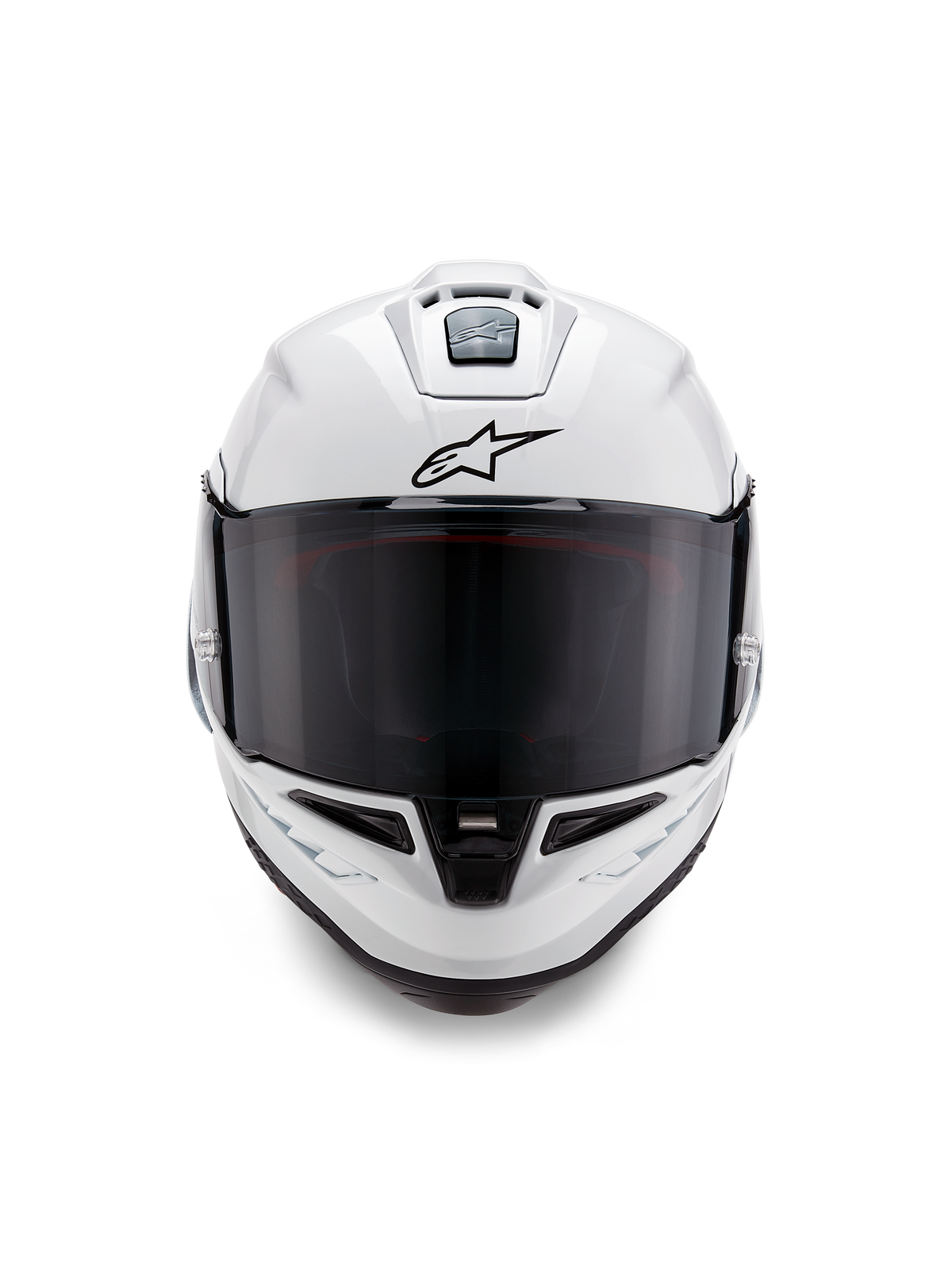


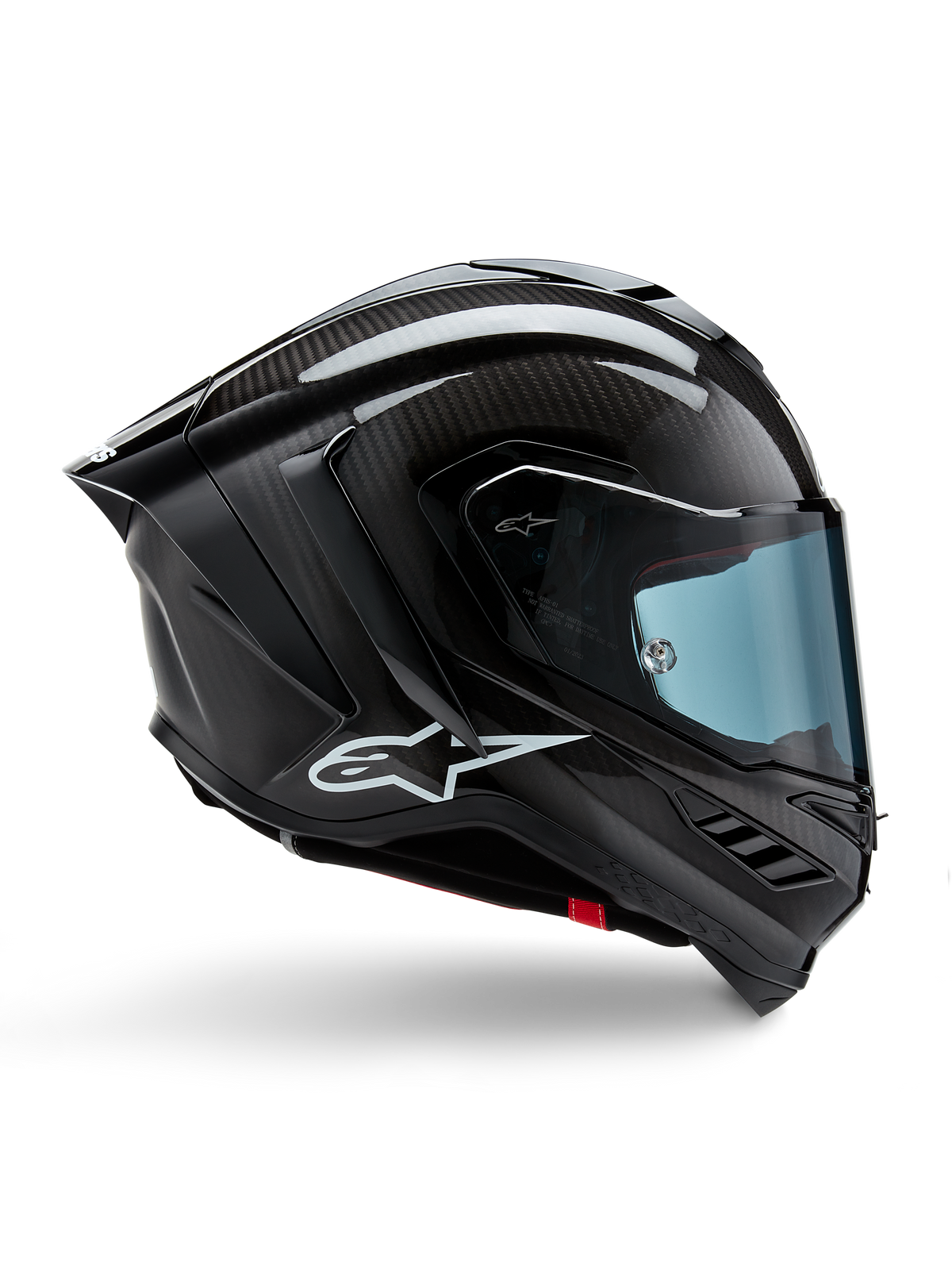
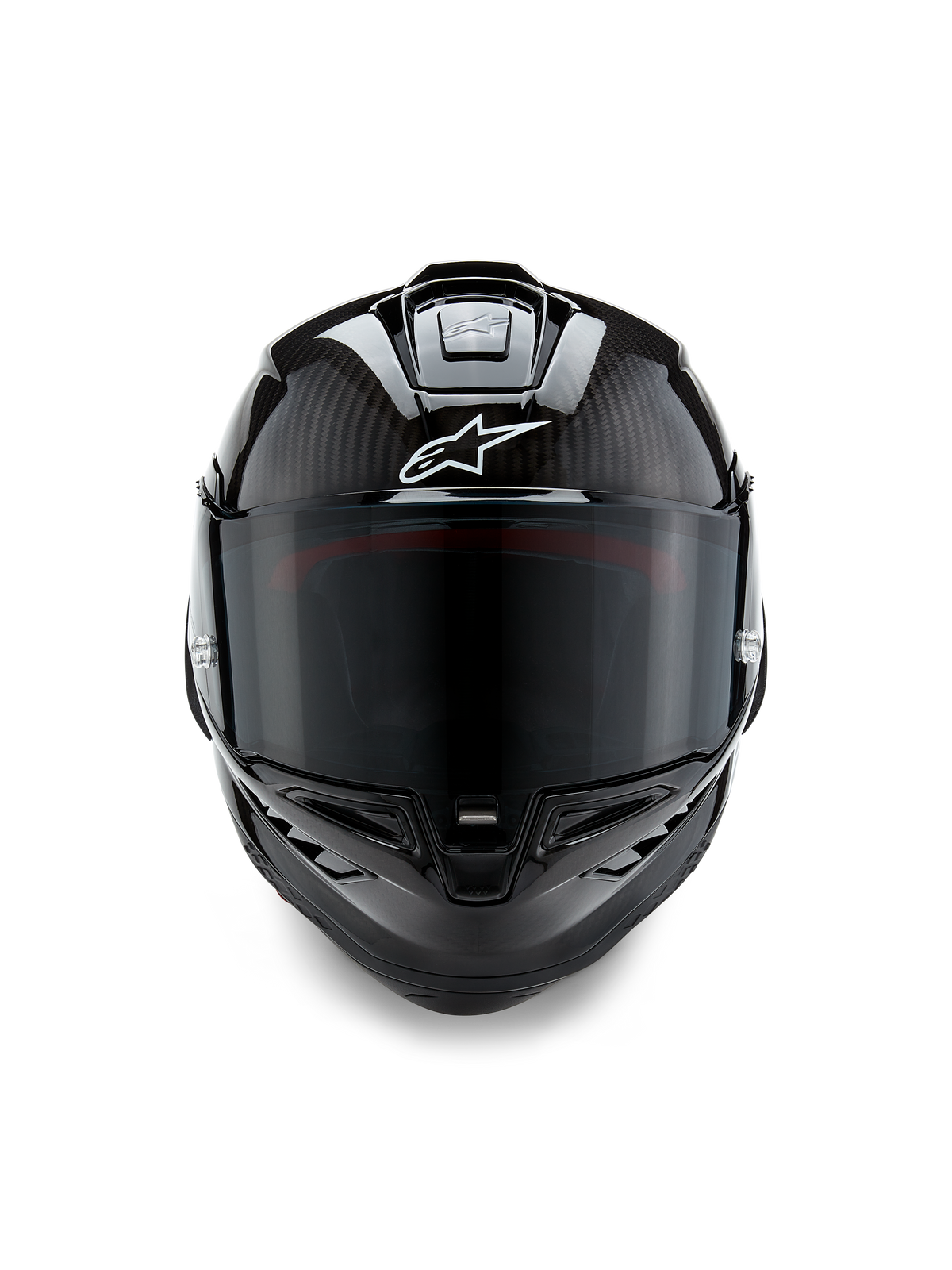

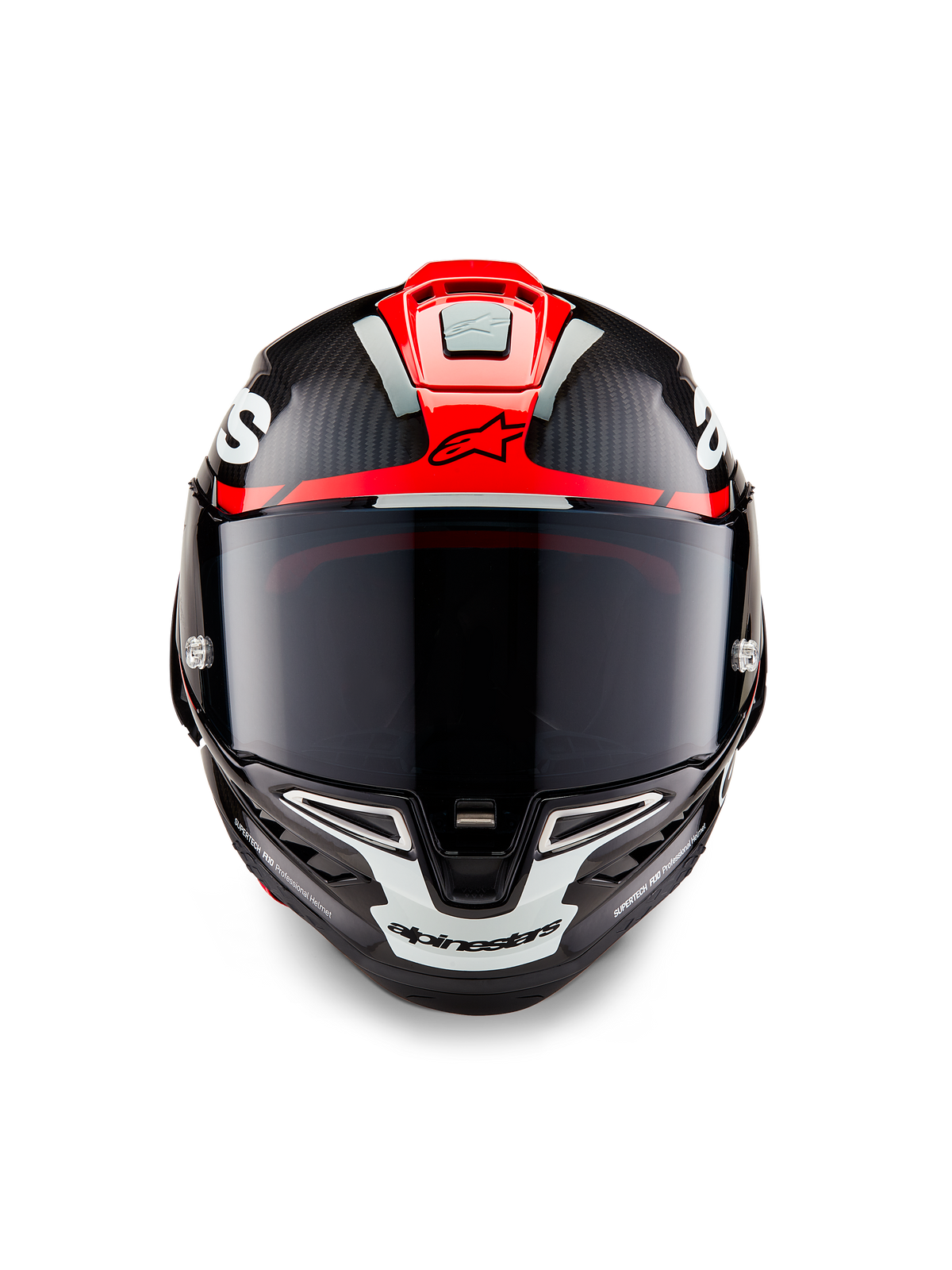


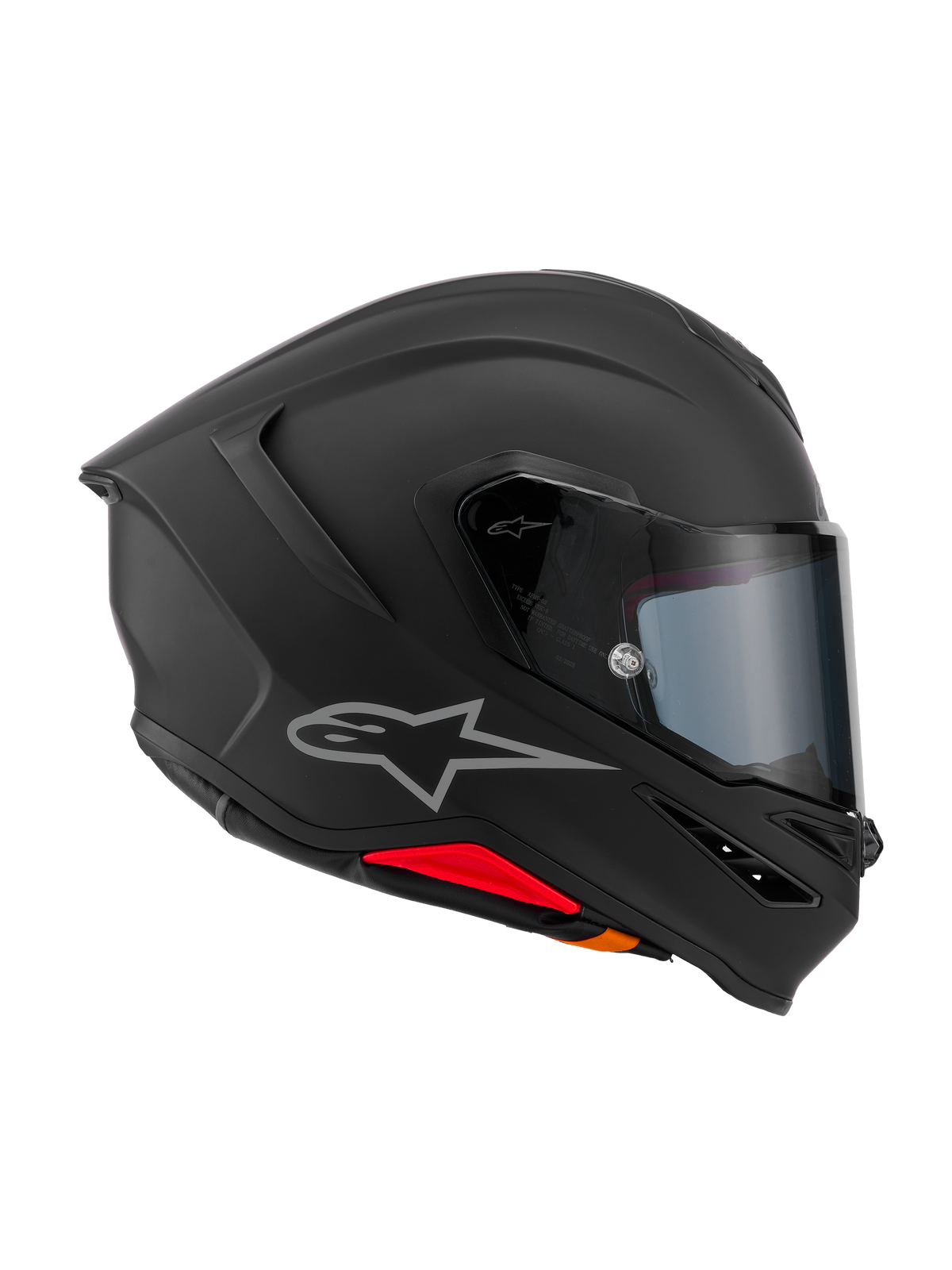
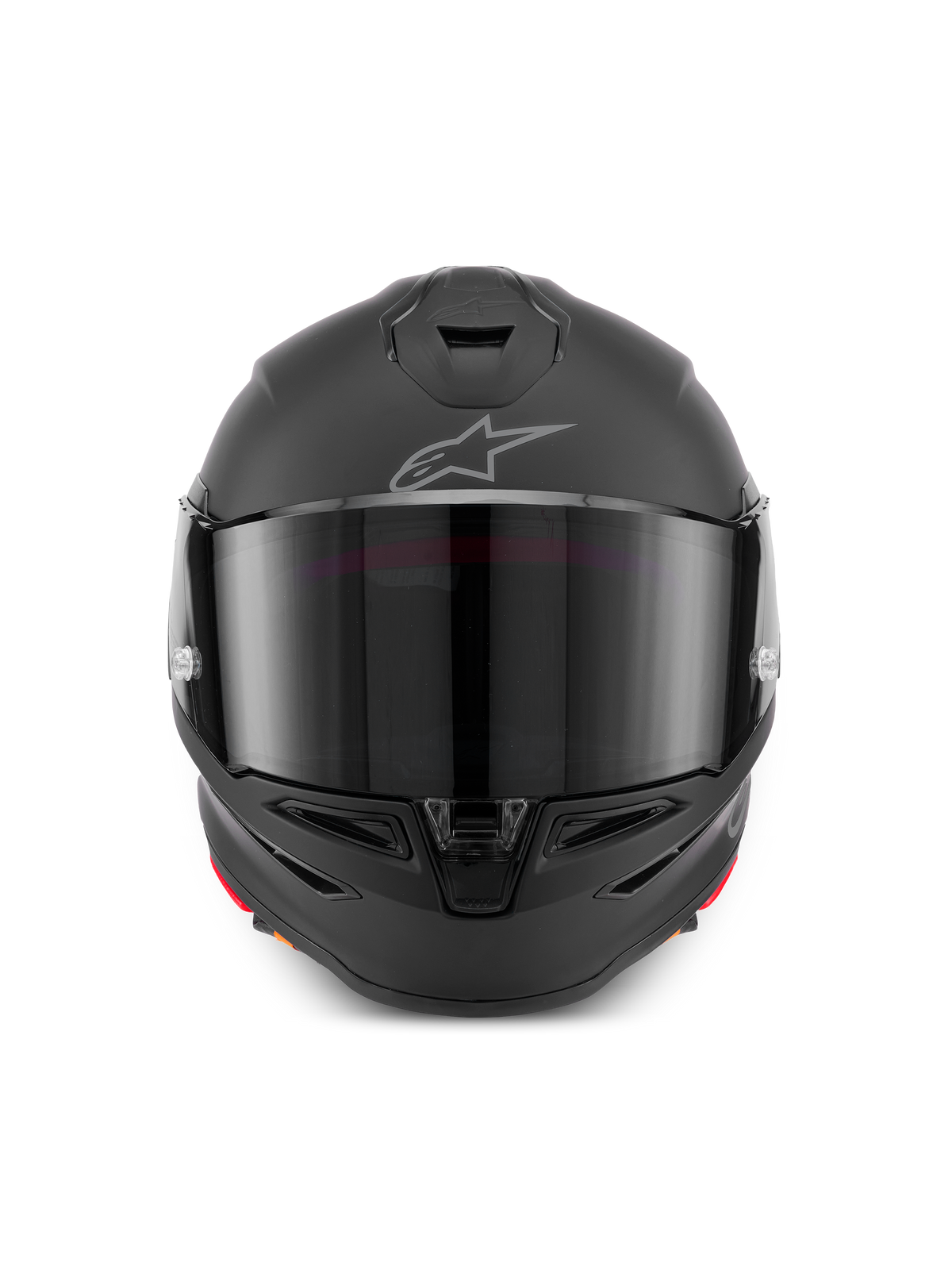
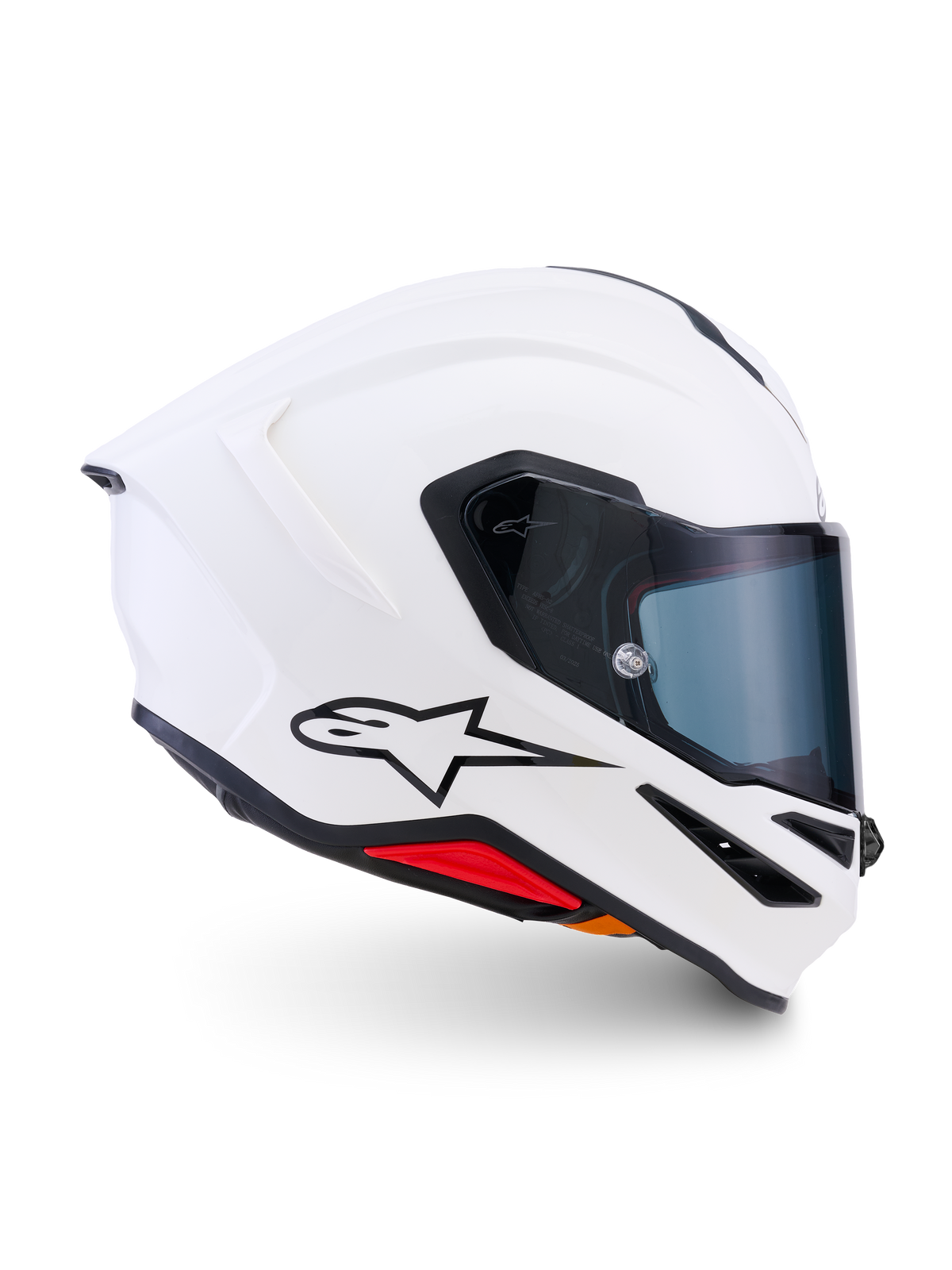

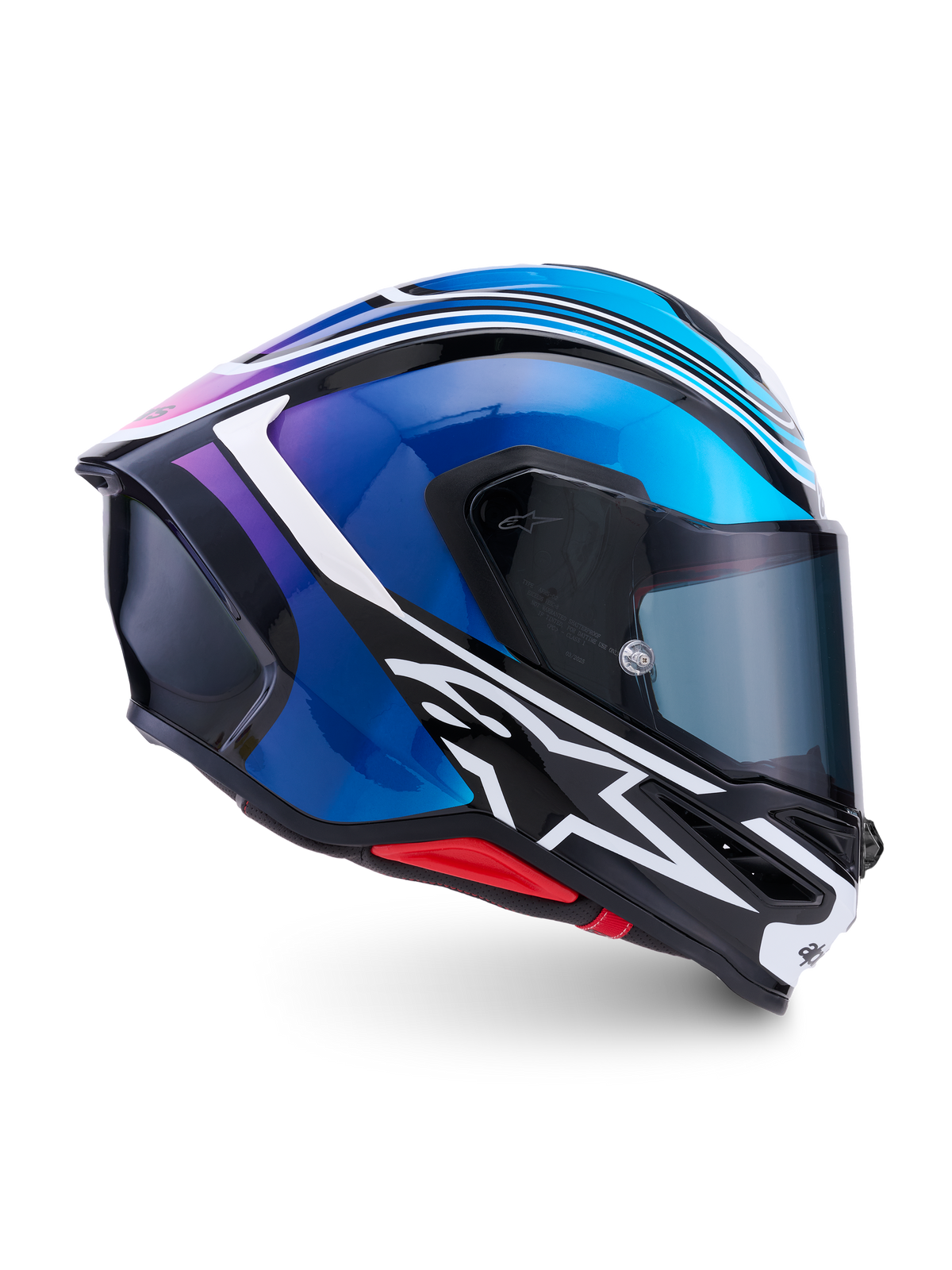
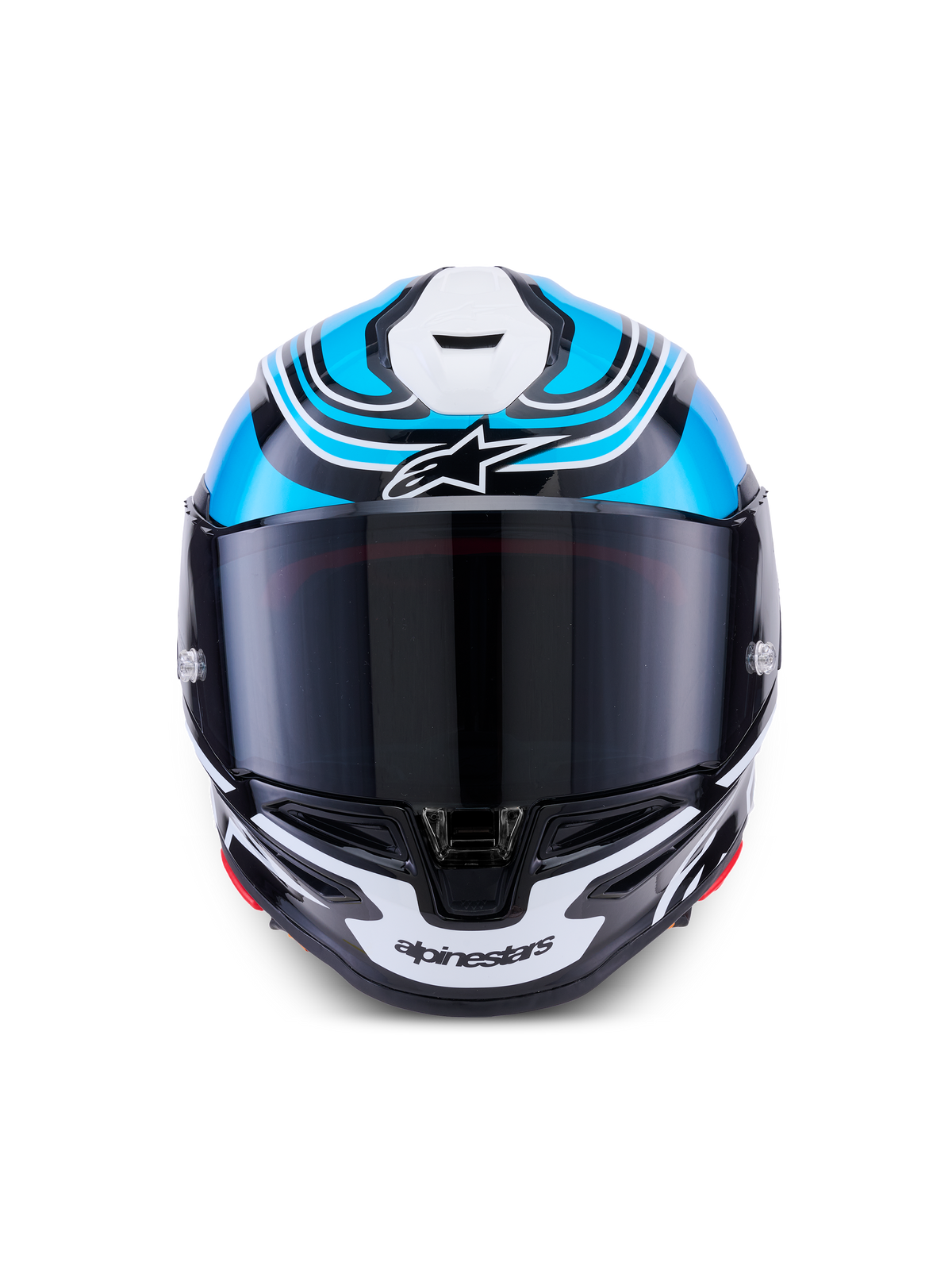


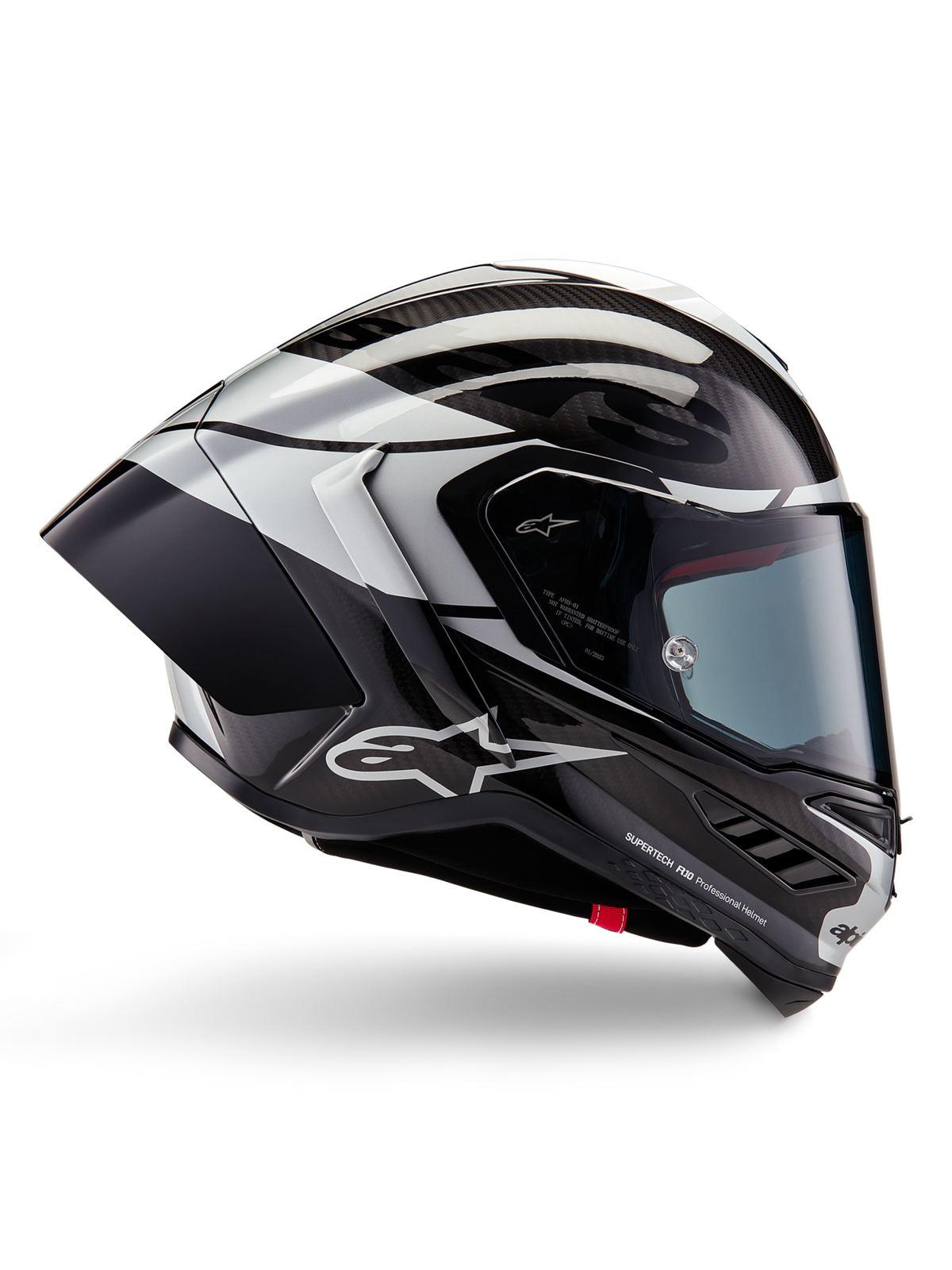
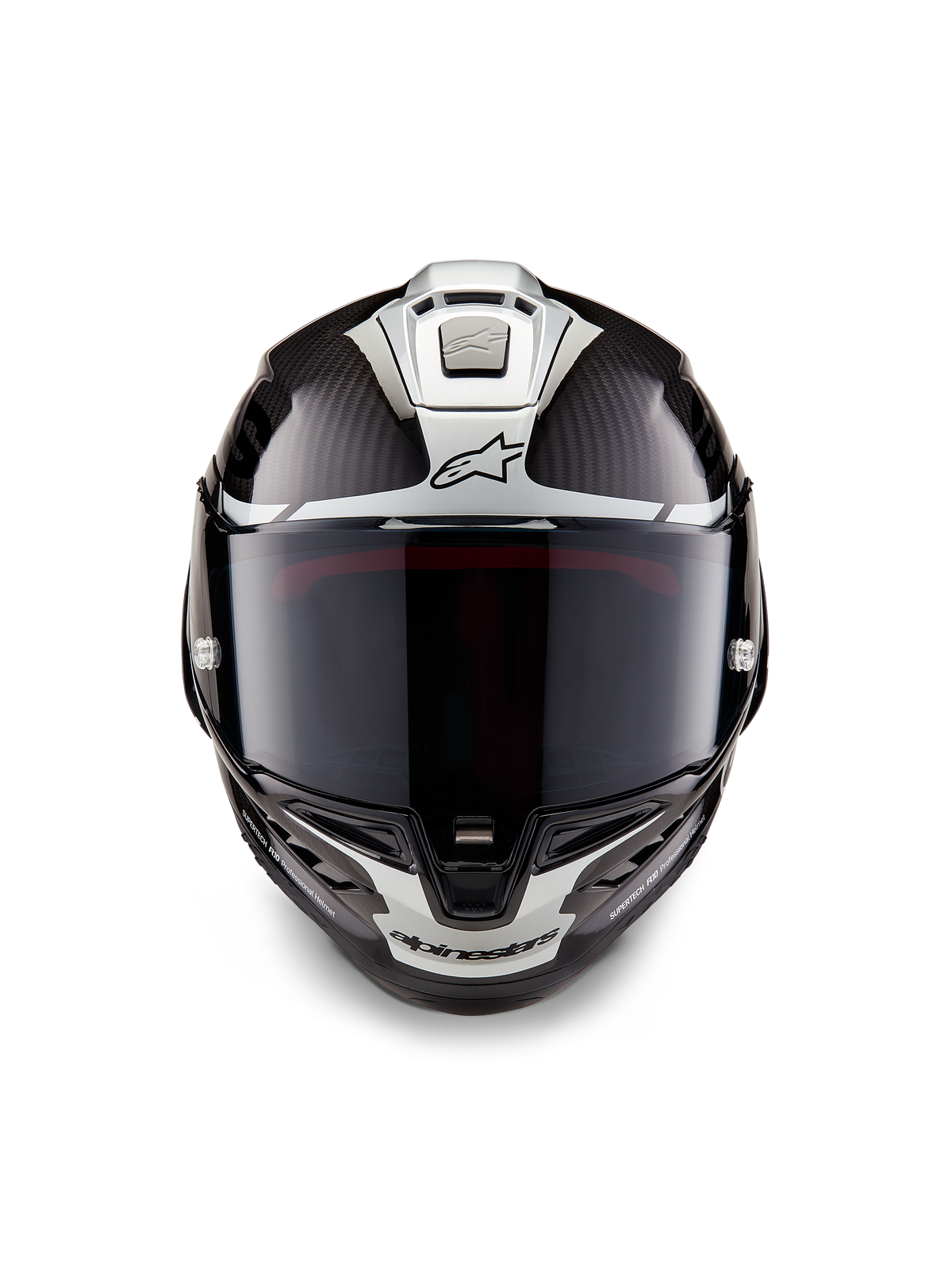


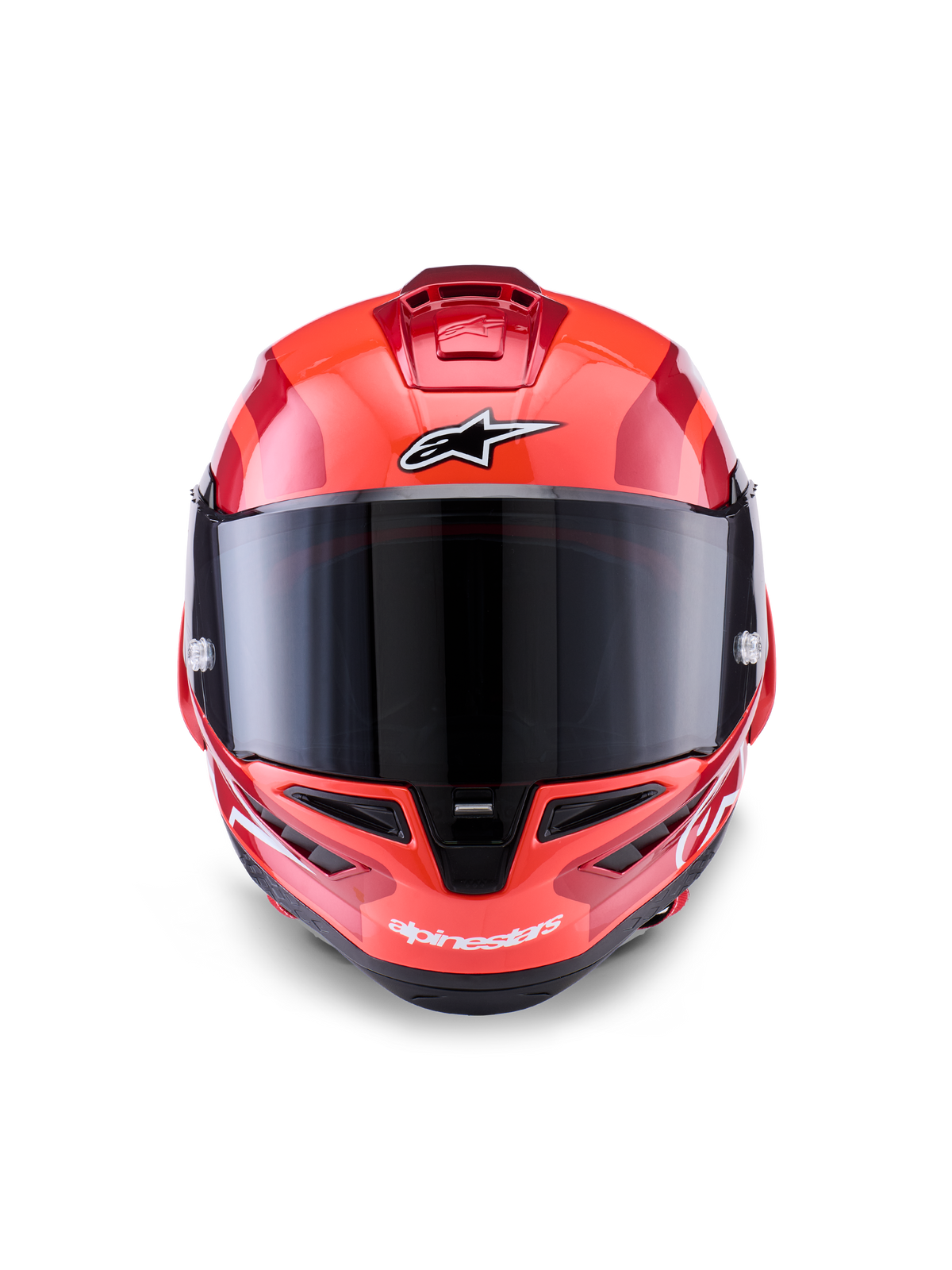


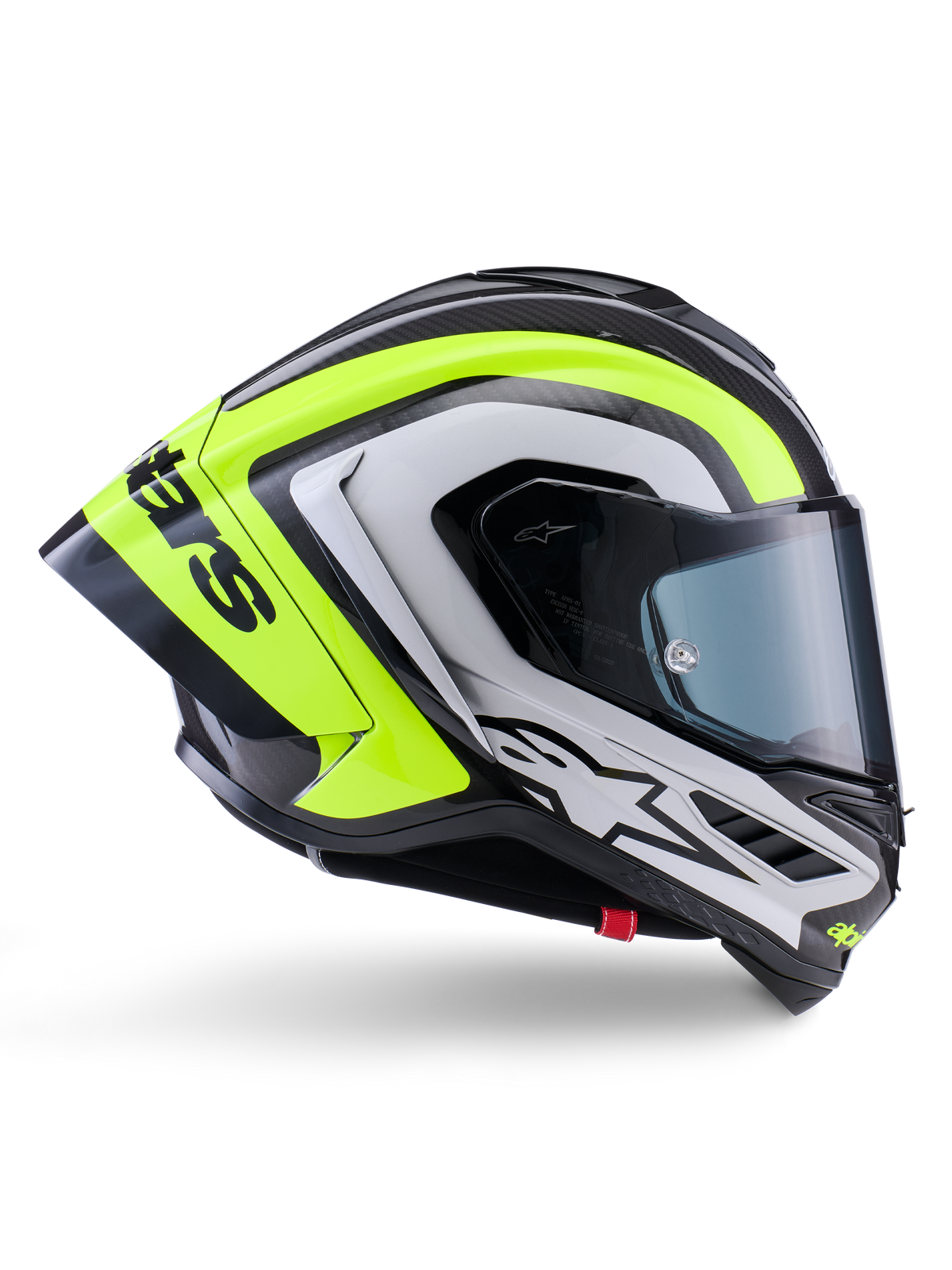
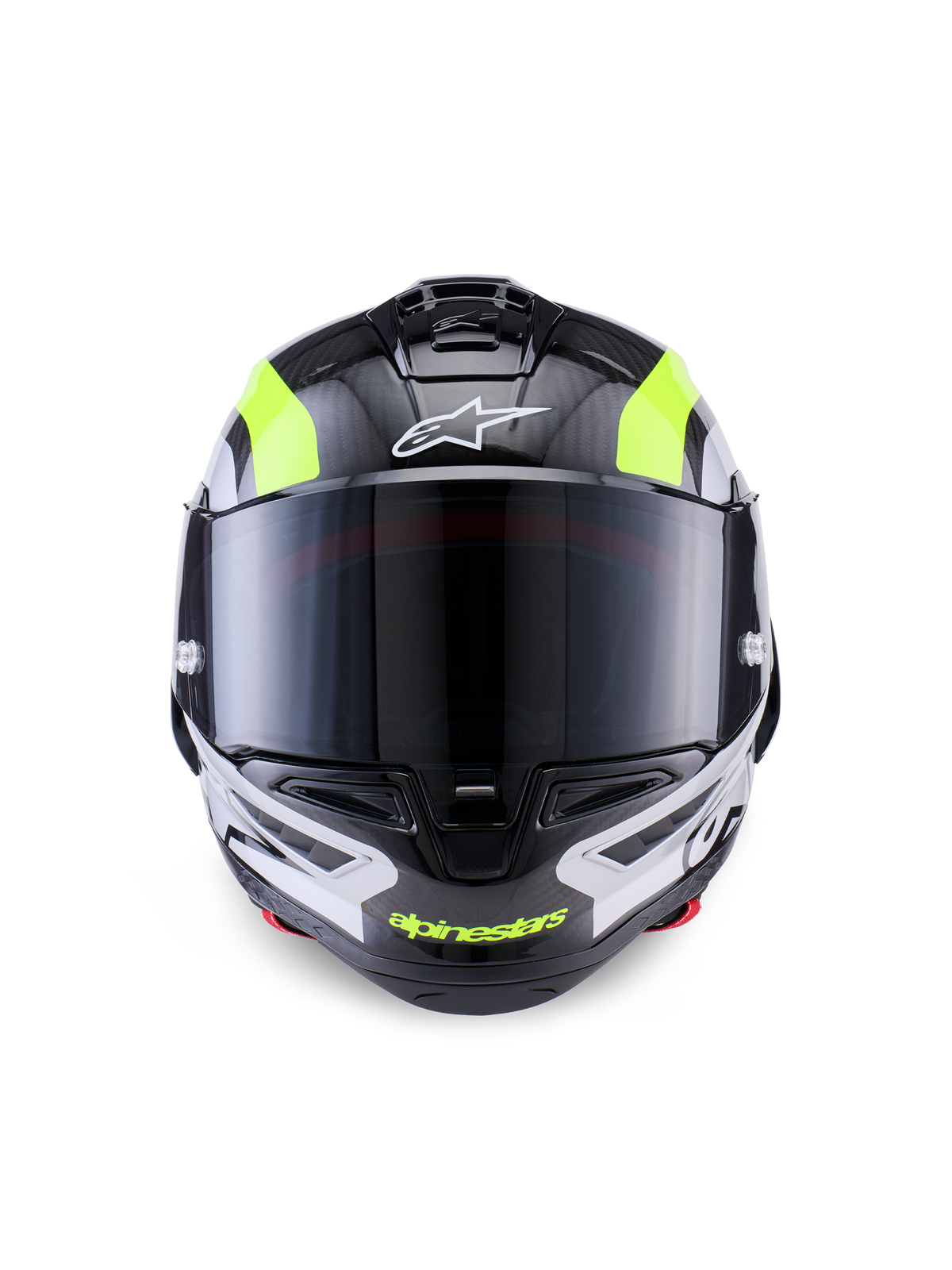


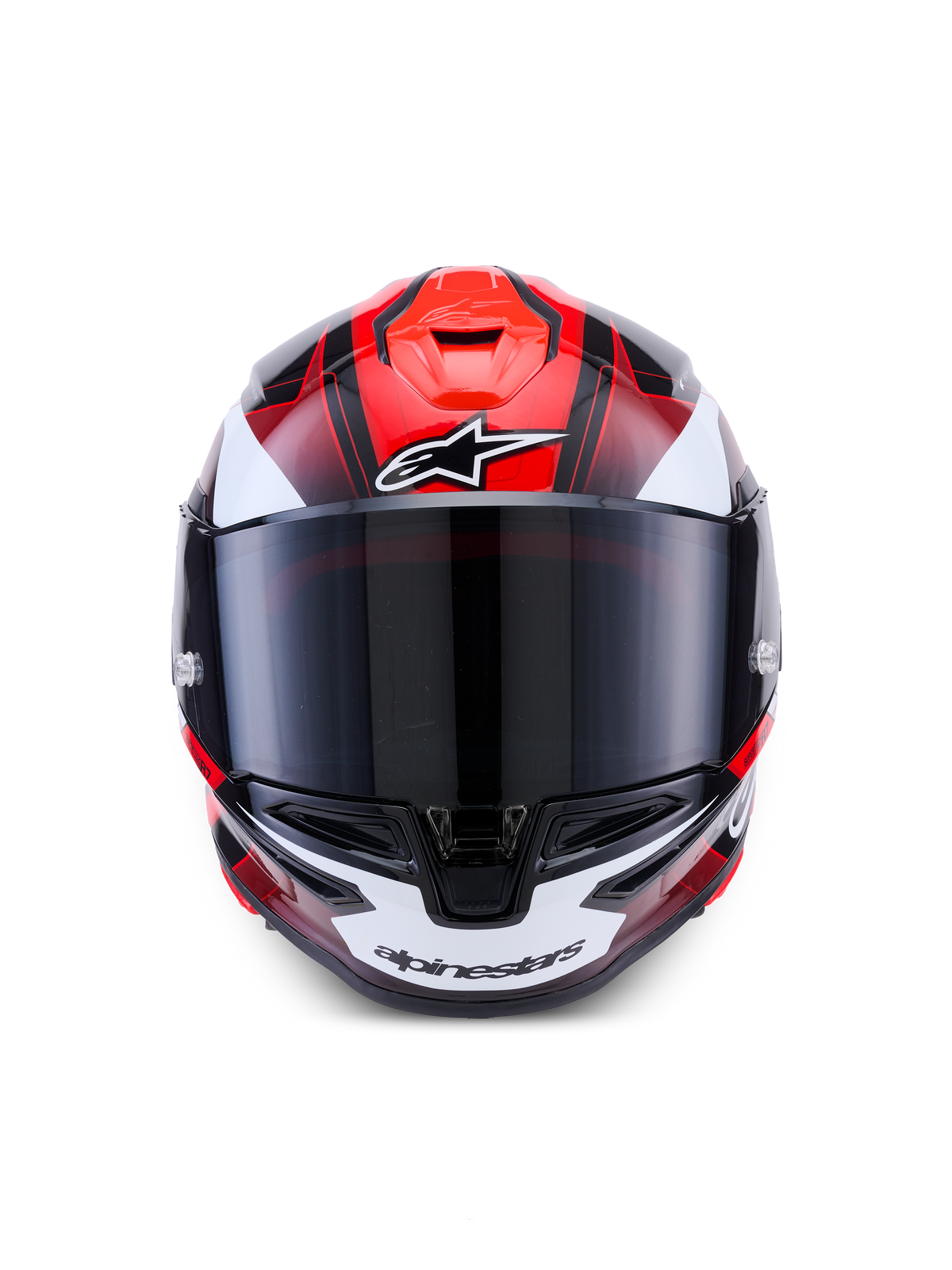

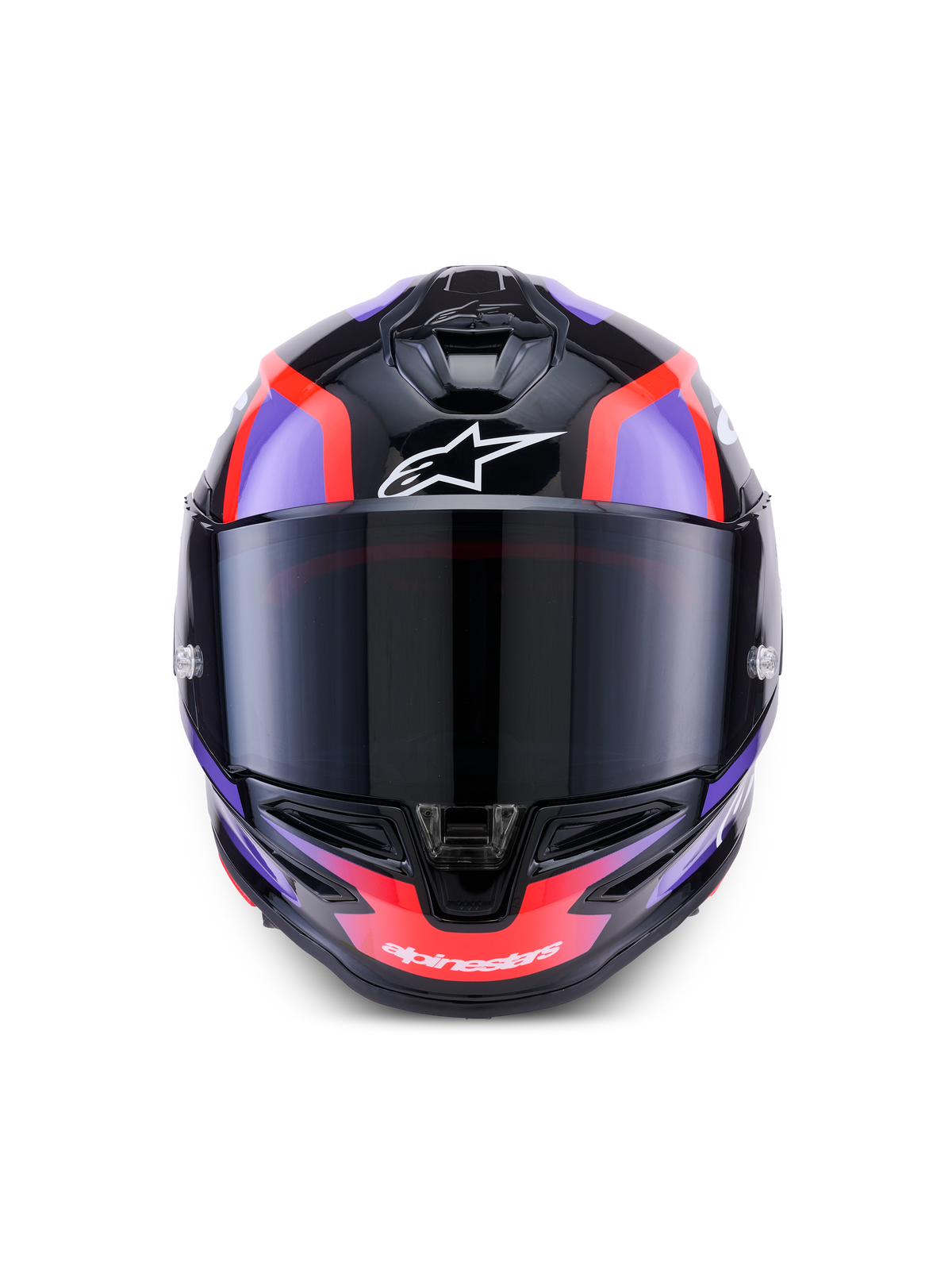


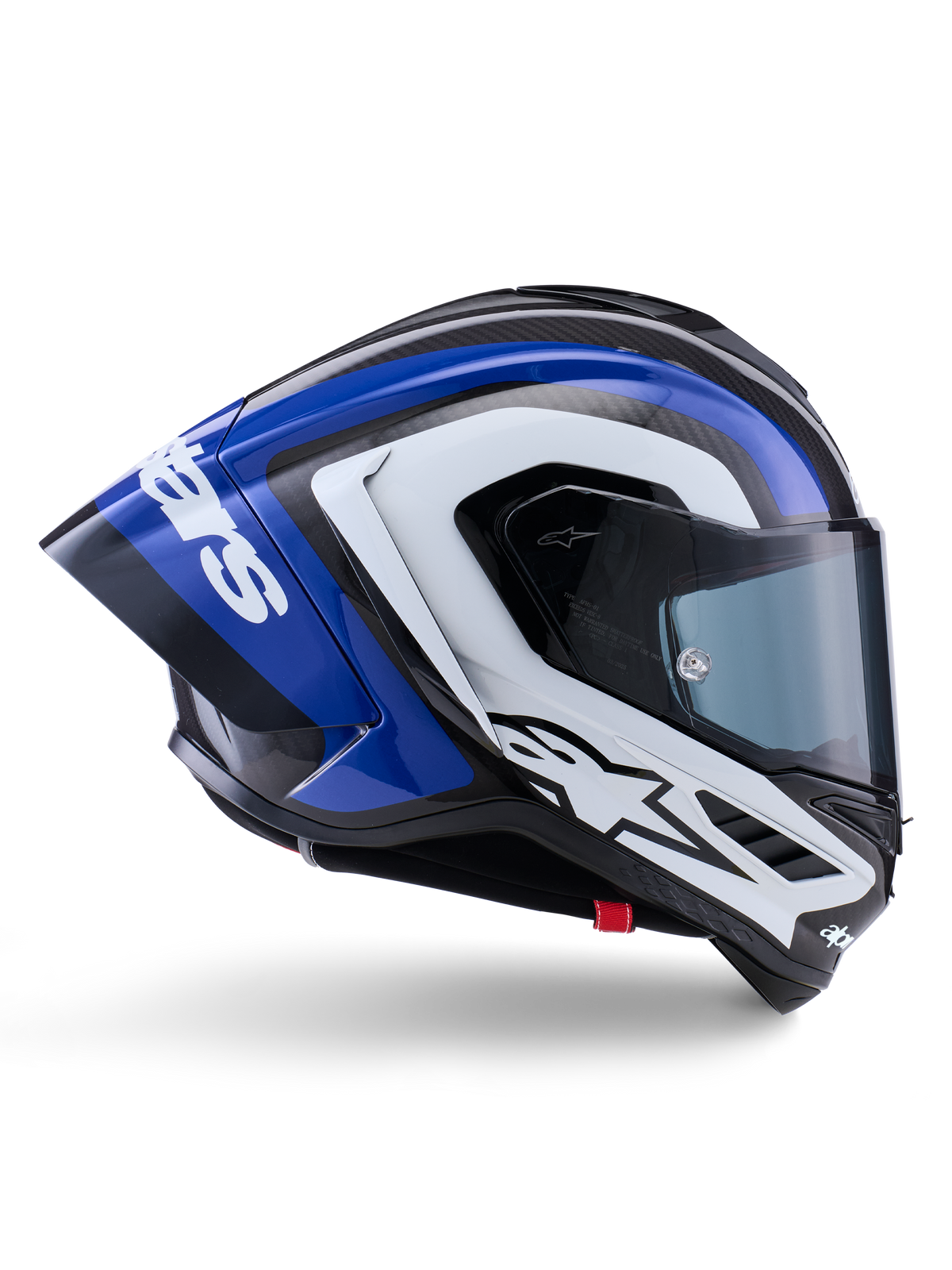

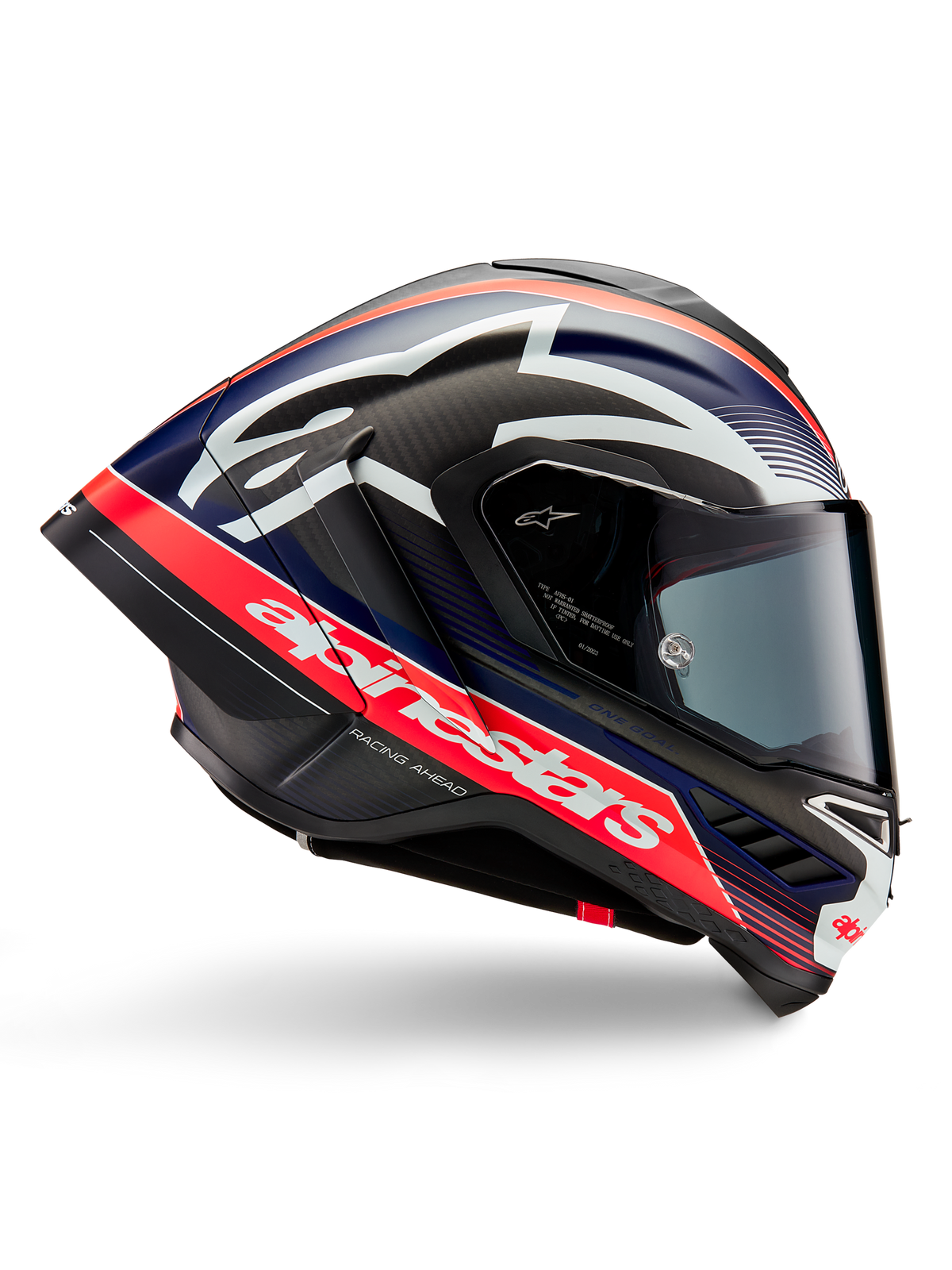
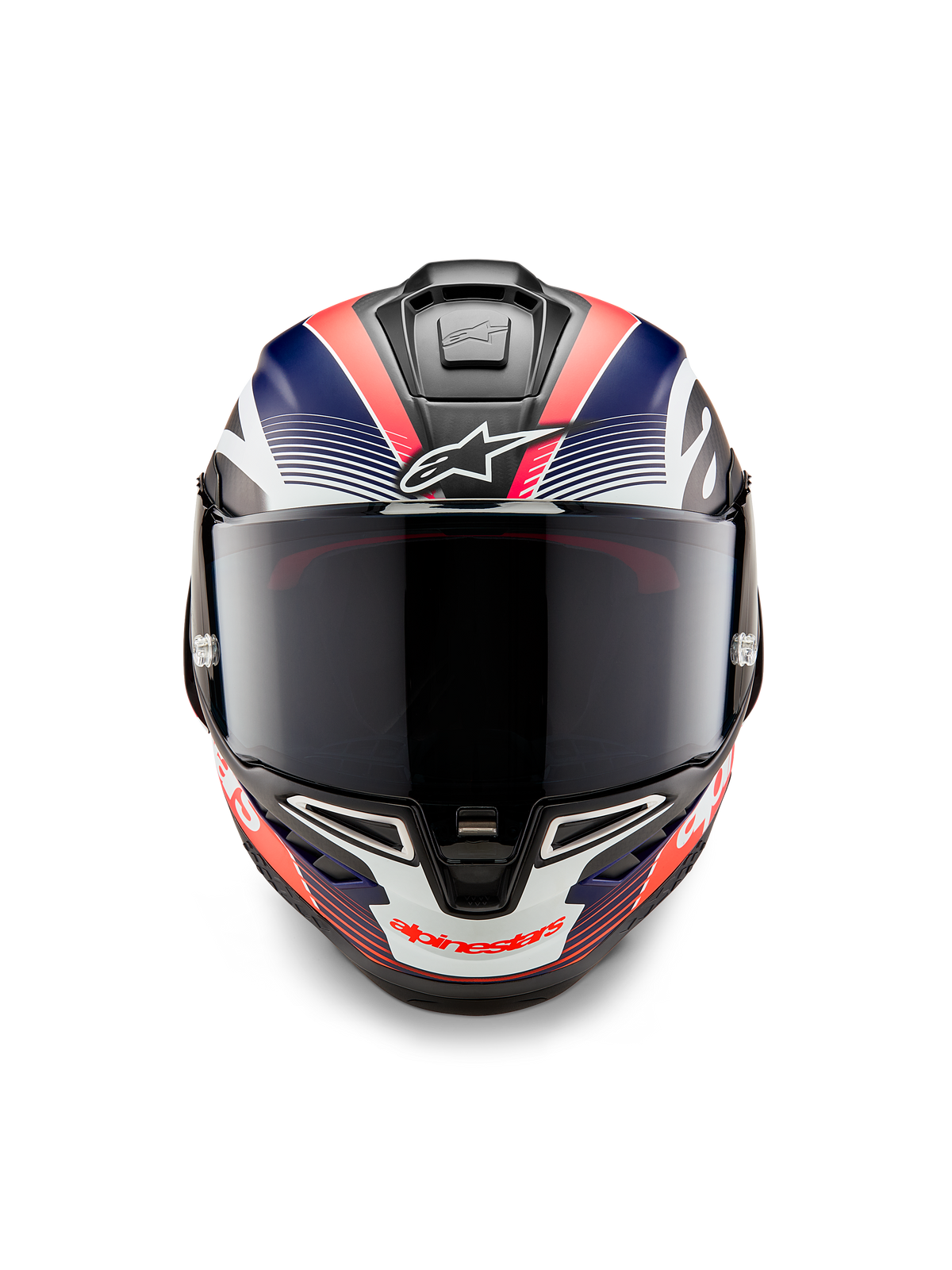
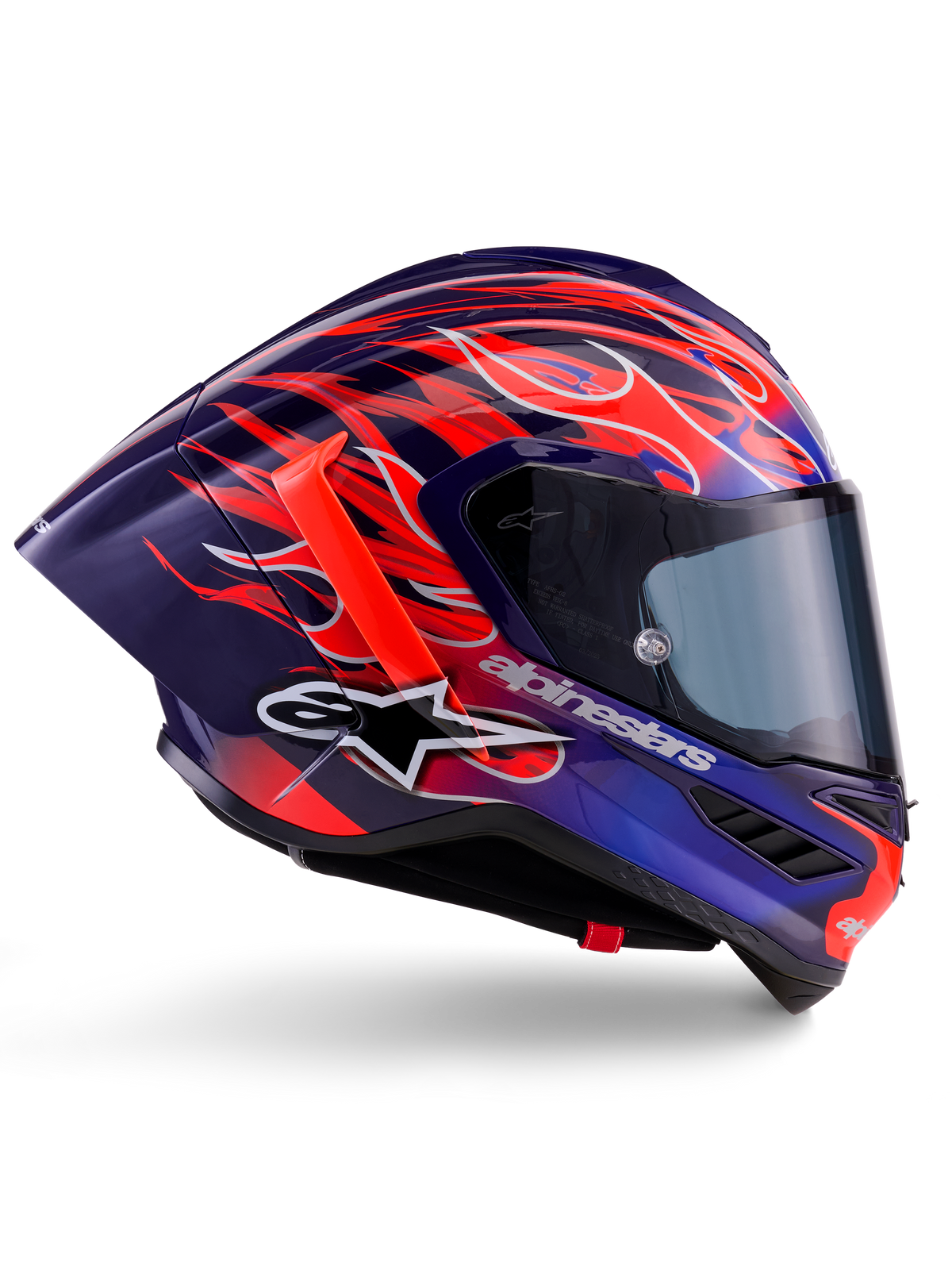
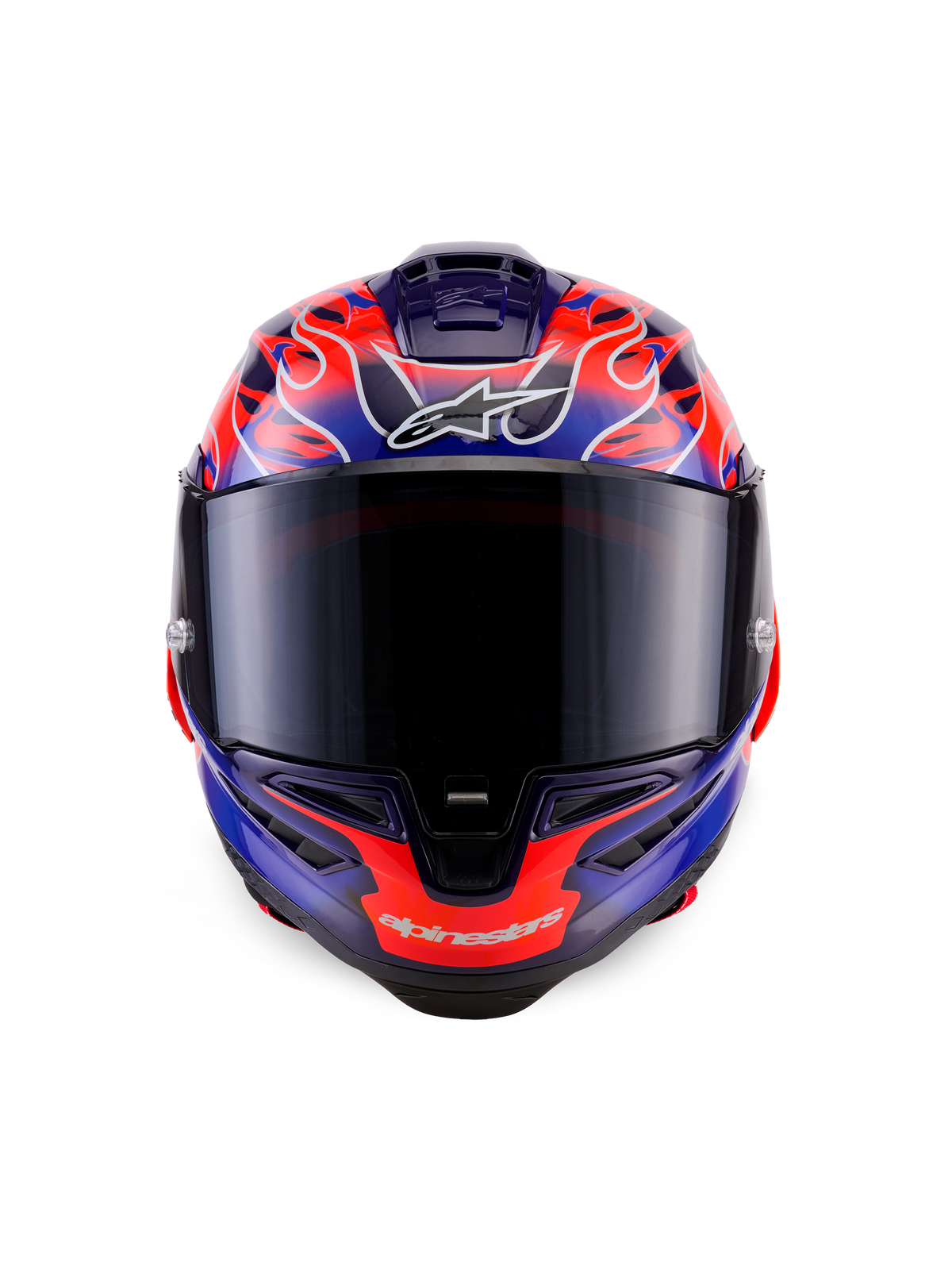


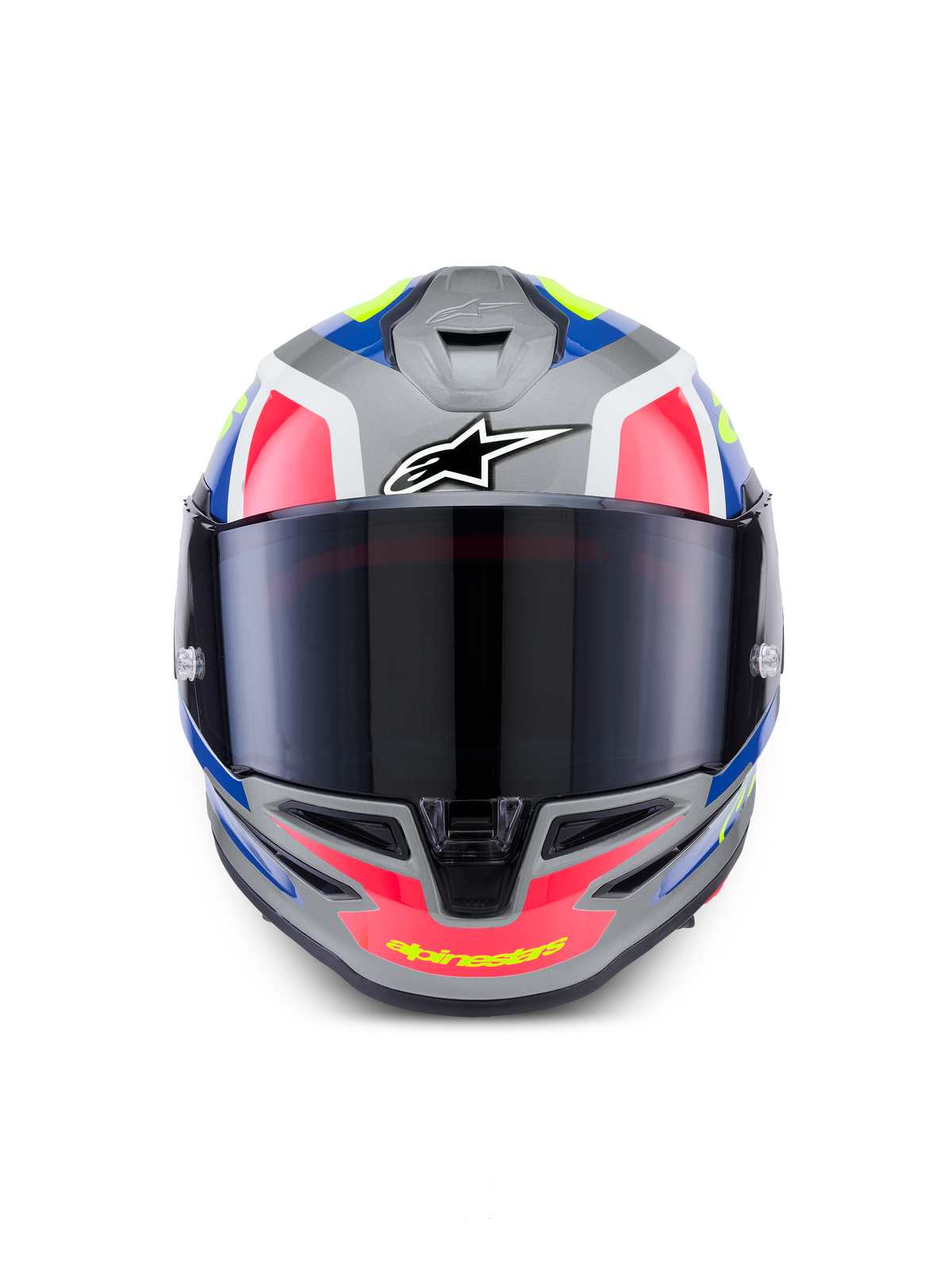
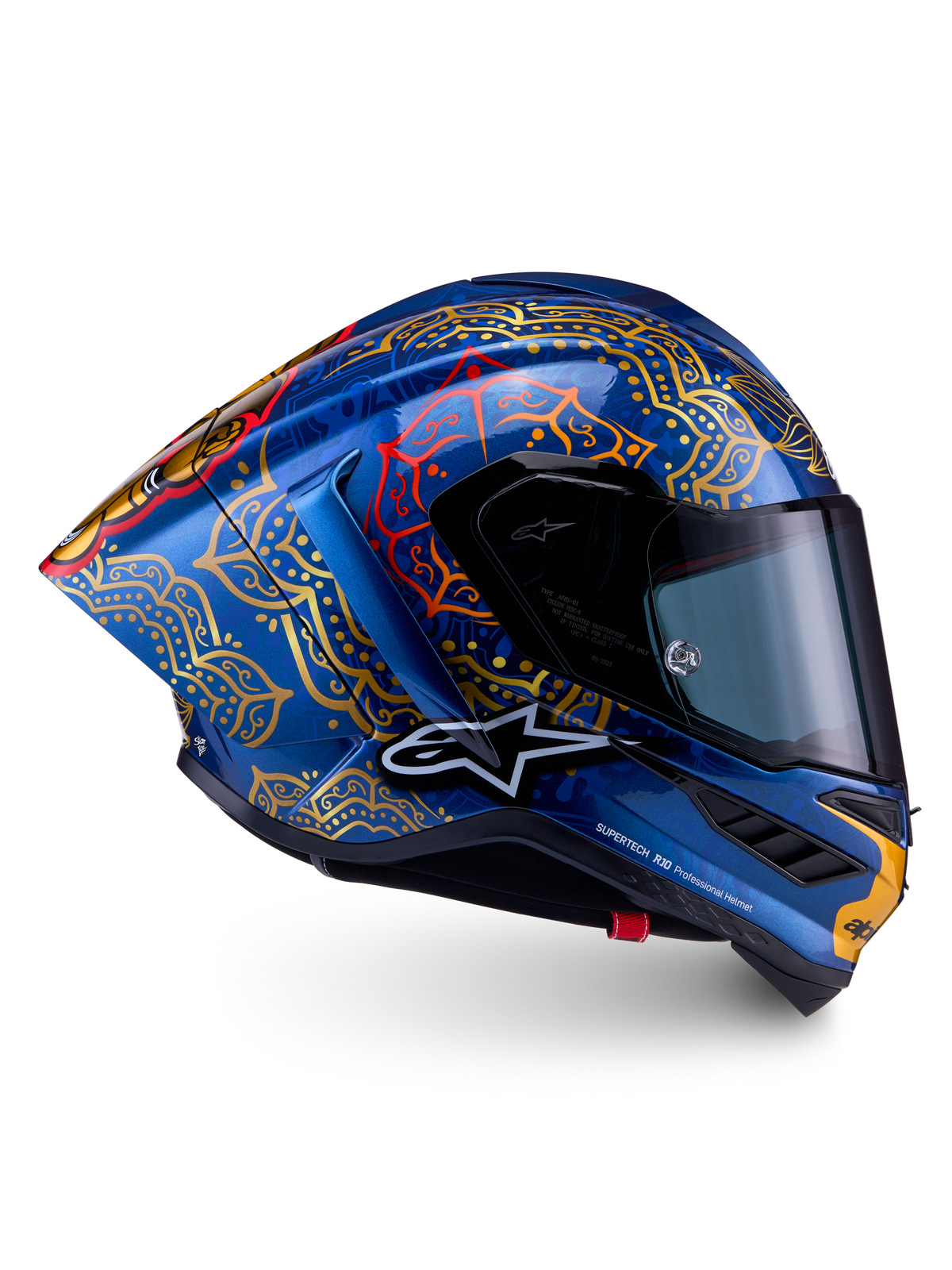


26 of 26 products
All products loaded
Frequently asked questions Hide FAQs
What are ventilated motorcycle helmets best suited for?
Ventilated motorcycle helmets are best suited for warm-weather riding, longer road miles, sport riding, and track use where heat build-up inside the helmet can affect comfort and concentration. Their purpose is to improve airflow so hot air and moisture can escape more efficiently while riding.
Within this collection, the focus is on helmets that balance cooling performance with full protective construction. Ventilation is not a substitute for protection; it is a performance feature that helps riders stay cooler, manage sweat more effectively, and maintain clearer vision in demanding conditions.
How does ventilation work in a motorcycle helmet?
A ventilated motorcycle helmet uses a system of intake vents, internal airflow channels, and exhaust ports to move air through the helmet. As speed increases, fresh air enters through front or top vents, travels across the head through the liner and EPS channeling, and exits through rear exhaust openings to help remove heat and moisture.
Cooling performance depends on the overall airflow design rather than vent count alone. Vent placement, channel depth, liner breathability, and shell aerodynamics all influence how effectively a helmet manages temperature at road and track speeds.
How should a ventilated motorcycle helmet fit?
A ventilated helmet should fit snugly and evenly around the head, with secure cheek contact and no painful pressure points. Proper fit matters because the helmet must remain stable at speed for both protection and airflow systems to work as intended.
When trying one on, the helmet should not rotate easily, lift excessively, or move independently from your head. If you are between sizes, use the model-specific size chart and consider both head shape and circumference, since helmet fit can vary across different platforms in the collection.
Are ventilated motorcycle helmets safe, and what certifications should I look for?
Yes. A ventilated motorcycle helmet can still meet the same protective standards as a non-ventilated design, provided it has been certified for its intended use. Ventilation and safety certification are separate parts of helmet development.
Depending on the model and market, riders may see standards such as ECE 22.06 or DOT for road use, while some race-focused helmets may also carry FIM homologation for competition. Always check the product page and helmet labeling for the exact certification, because approval can vary by helmet model and intended application.
How do I clean and maintain a ventilated motorcycle helmet?
Keep the vents, liner, and visor clean so airflow is not restricted by dust, sweat, or debris. Use a soft cloth and a mild cleaner on the shell and visor, and follow the helmet care instructions for any removable interior components. Avoid solvents, petroleum-based cleaners, or direct heat, as these can damage finishes, adhesives, and internal materials.
It is also important to inspect vent sliders, intake openings, and exhaust ports regularly to make sure they open and close correctly. Routine cleaning helps preserve cooling efficiency, day-to-day comfort, and long-term usability across the life of the helmet.