
23 results
-
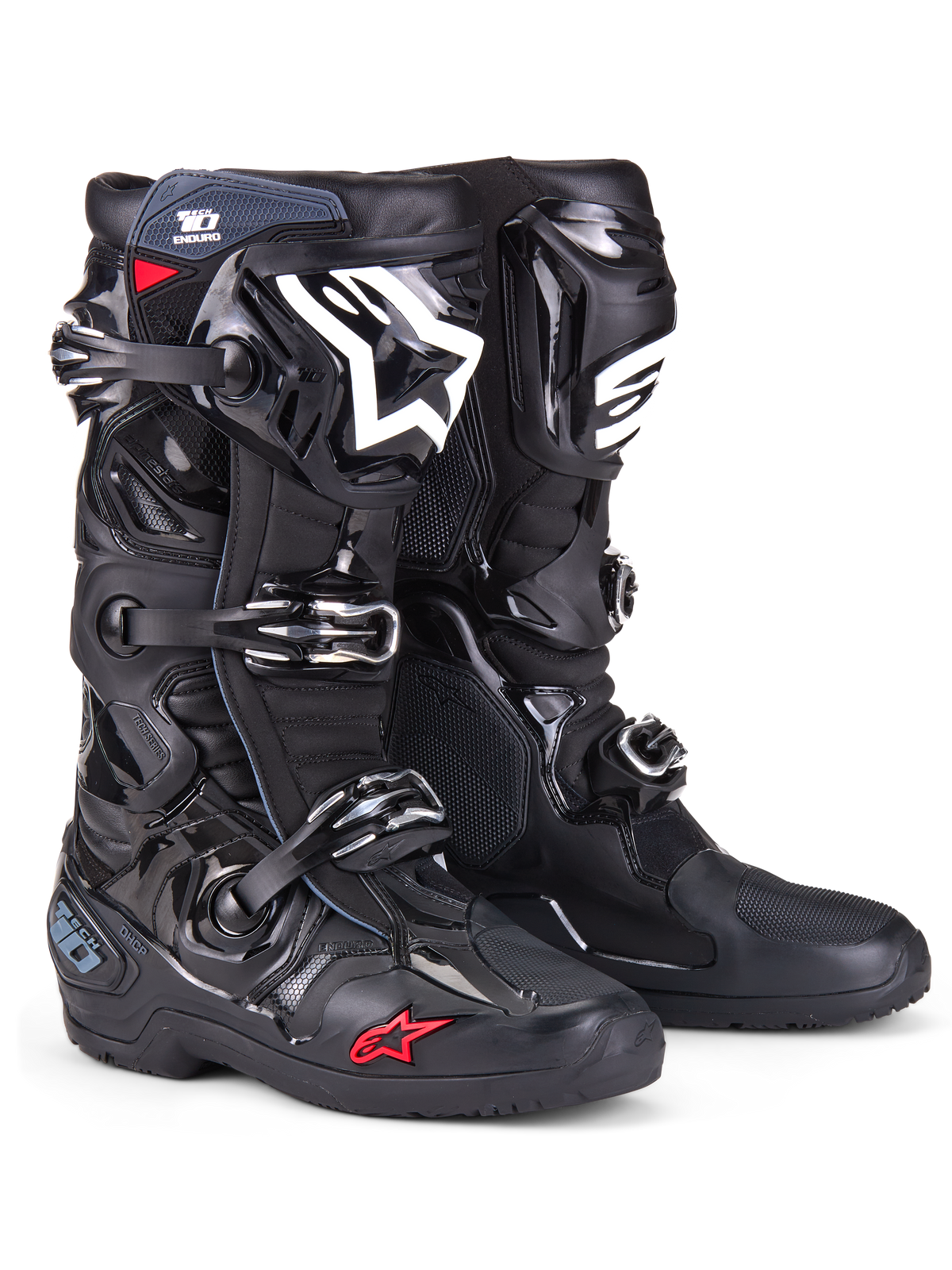
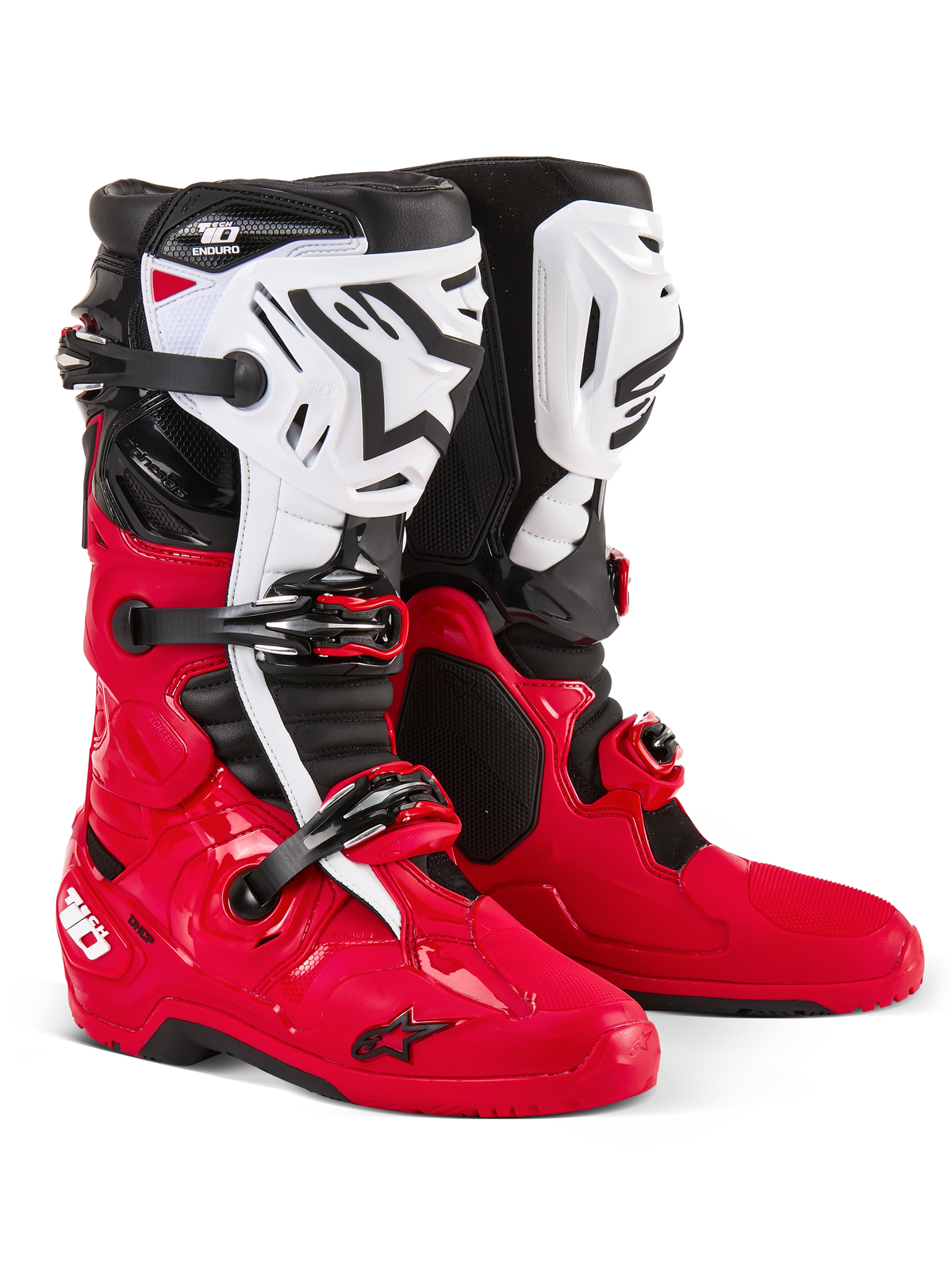
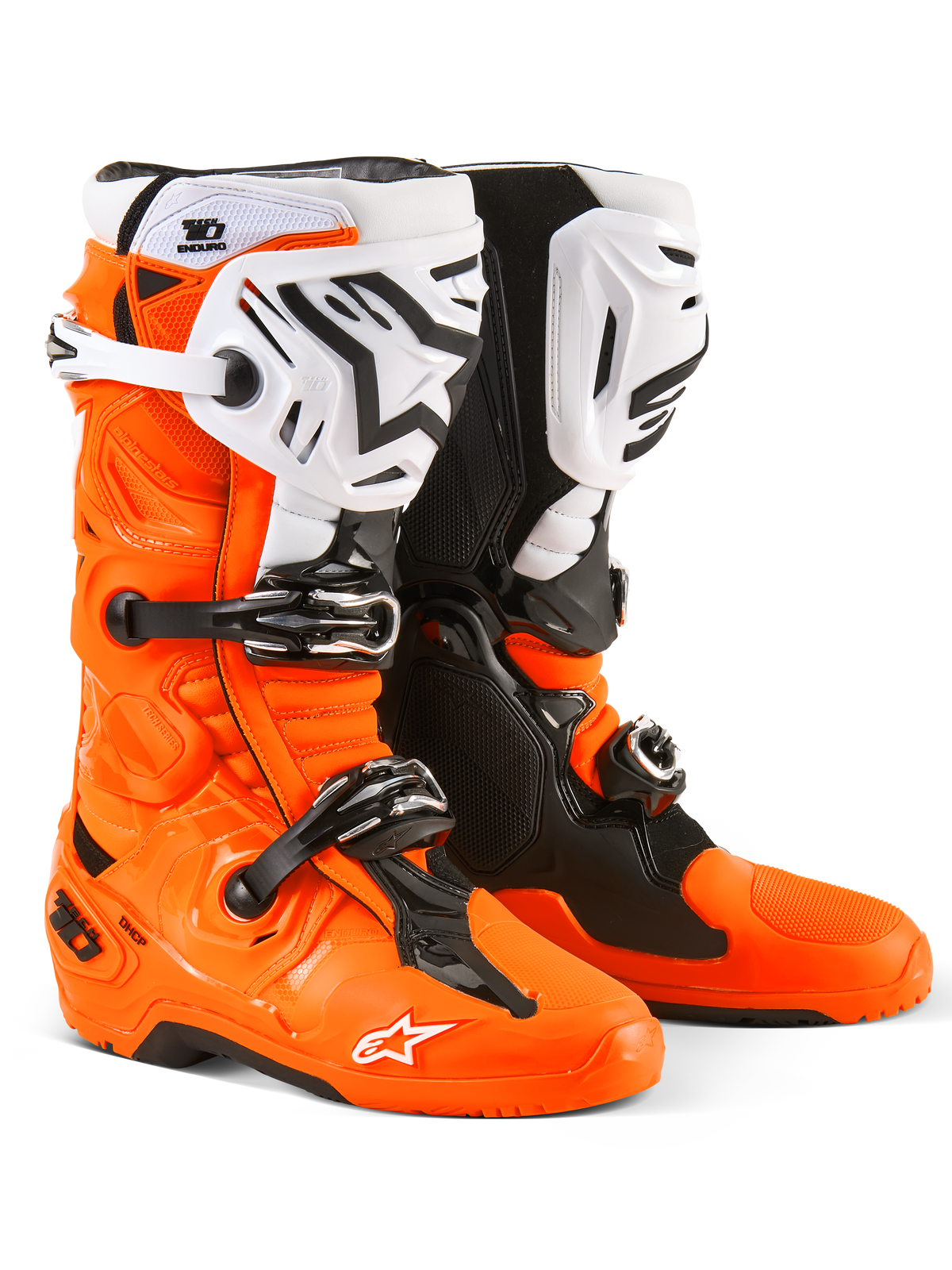
Tech 10 Enduro Boots -
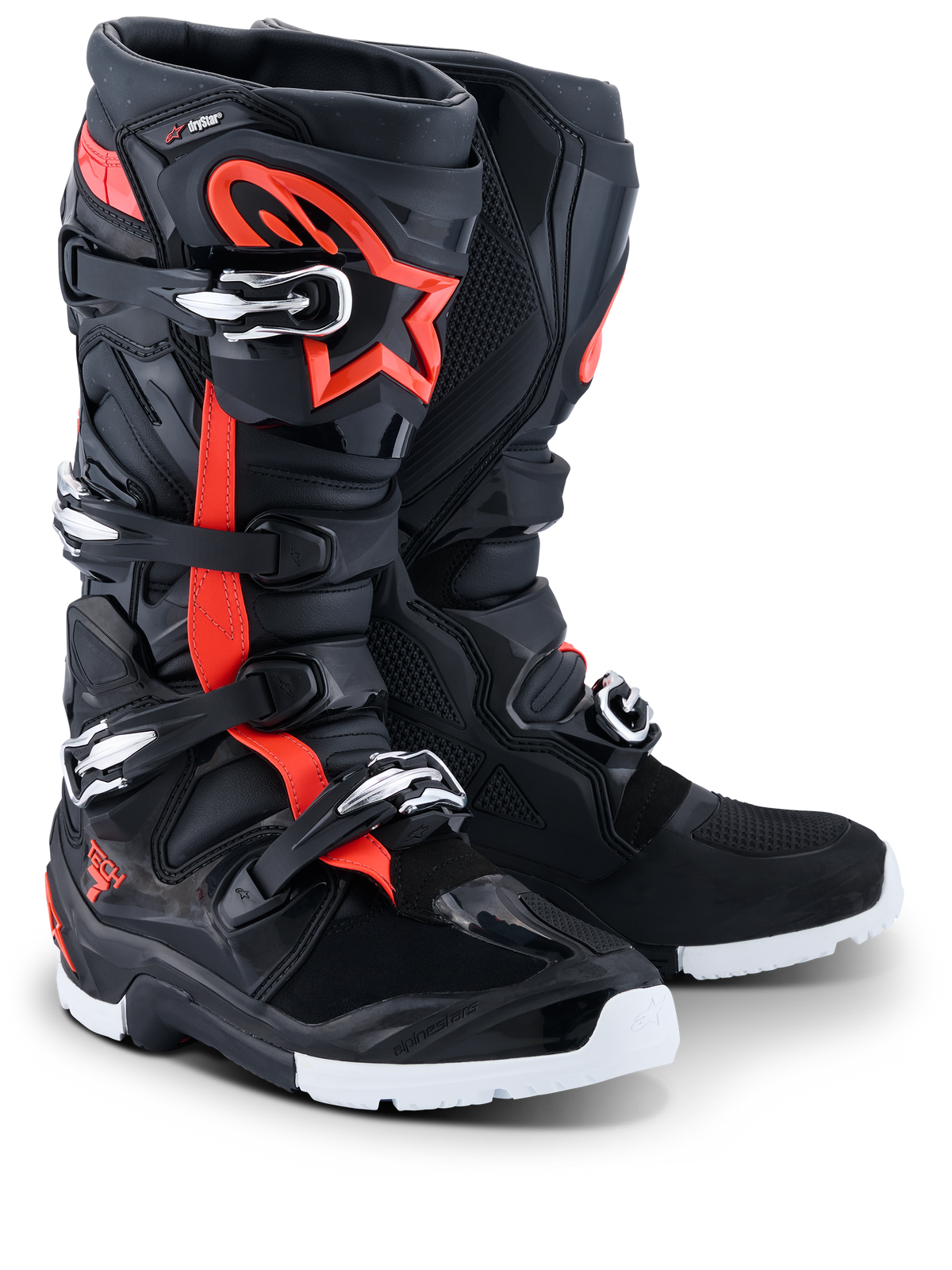
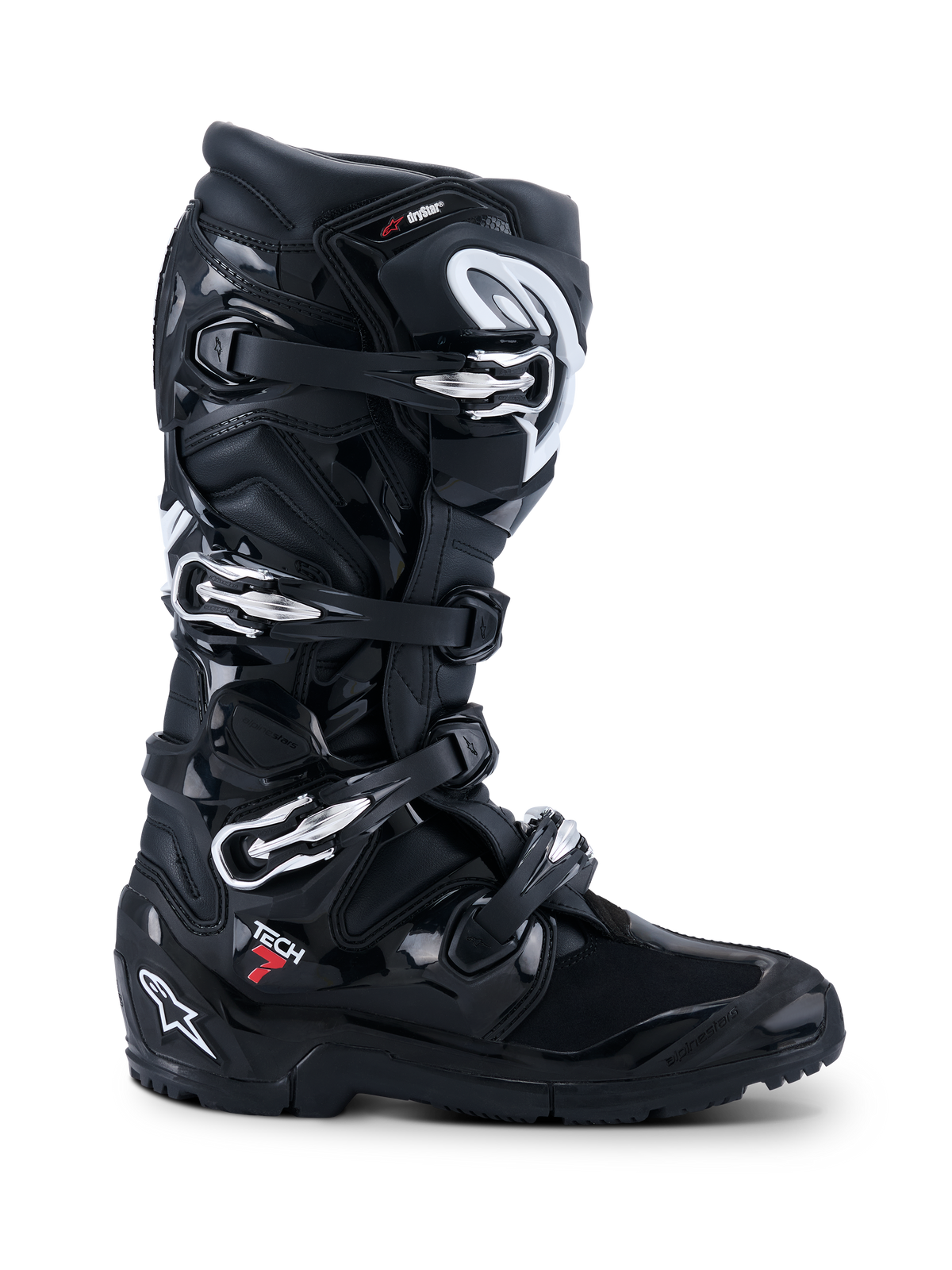
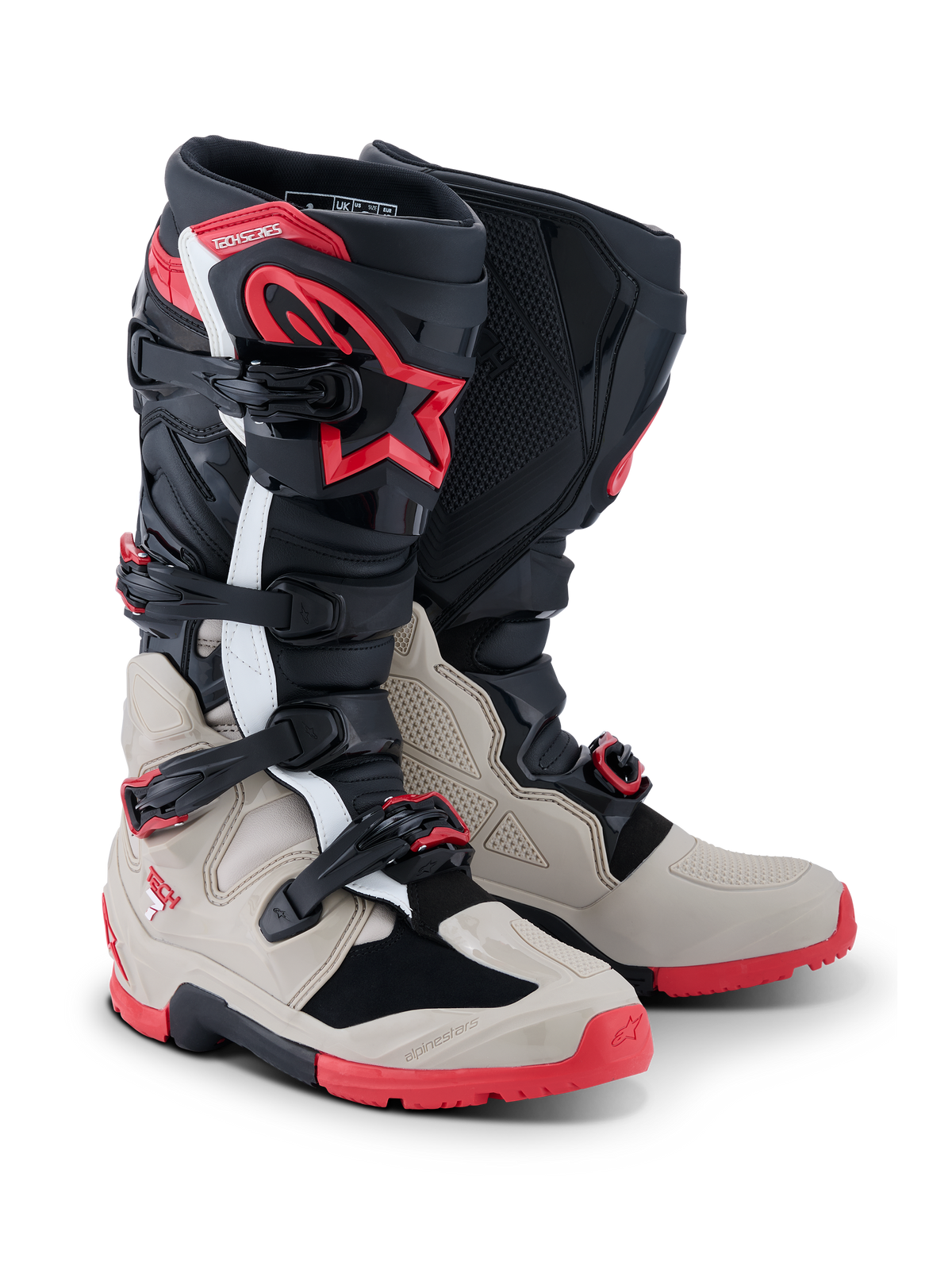
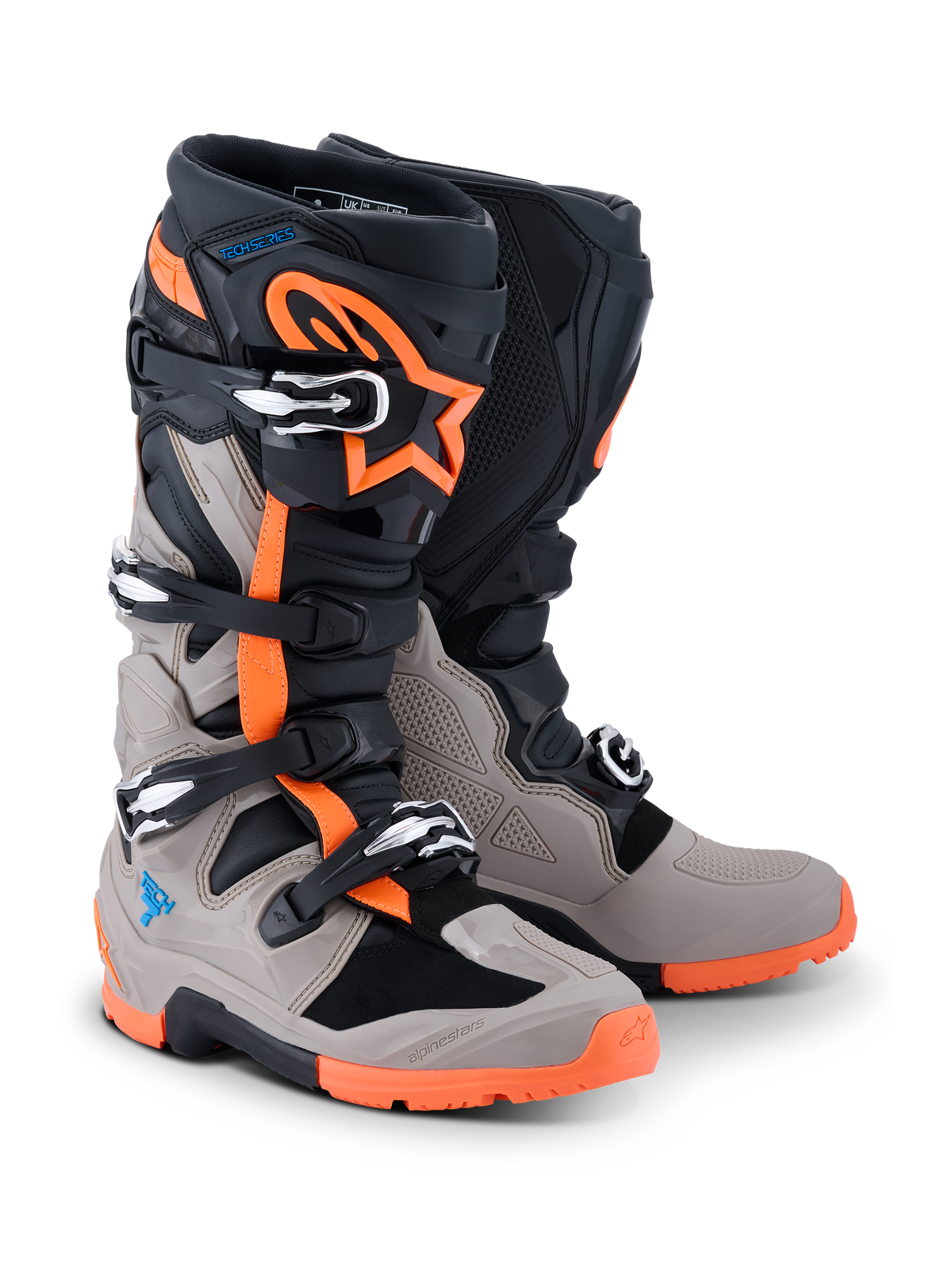
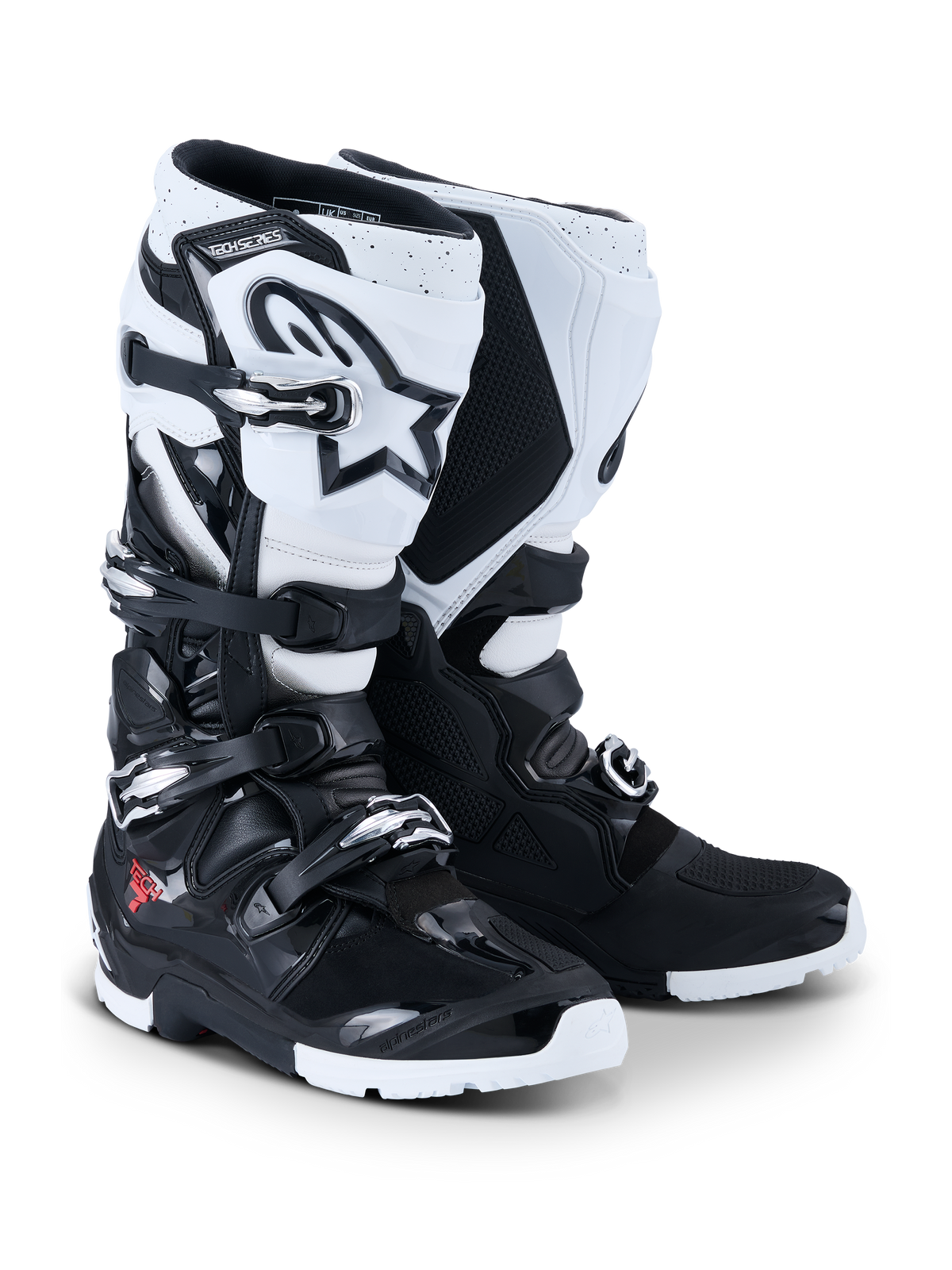
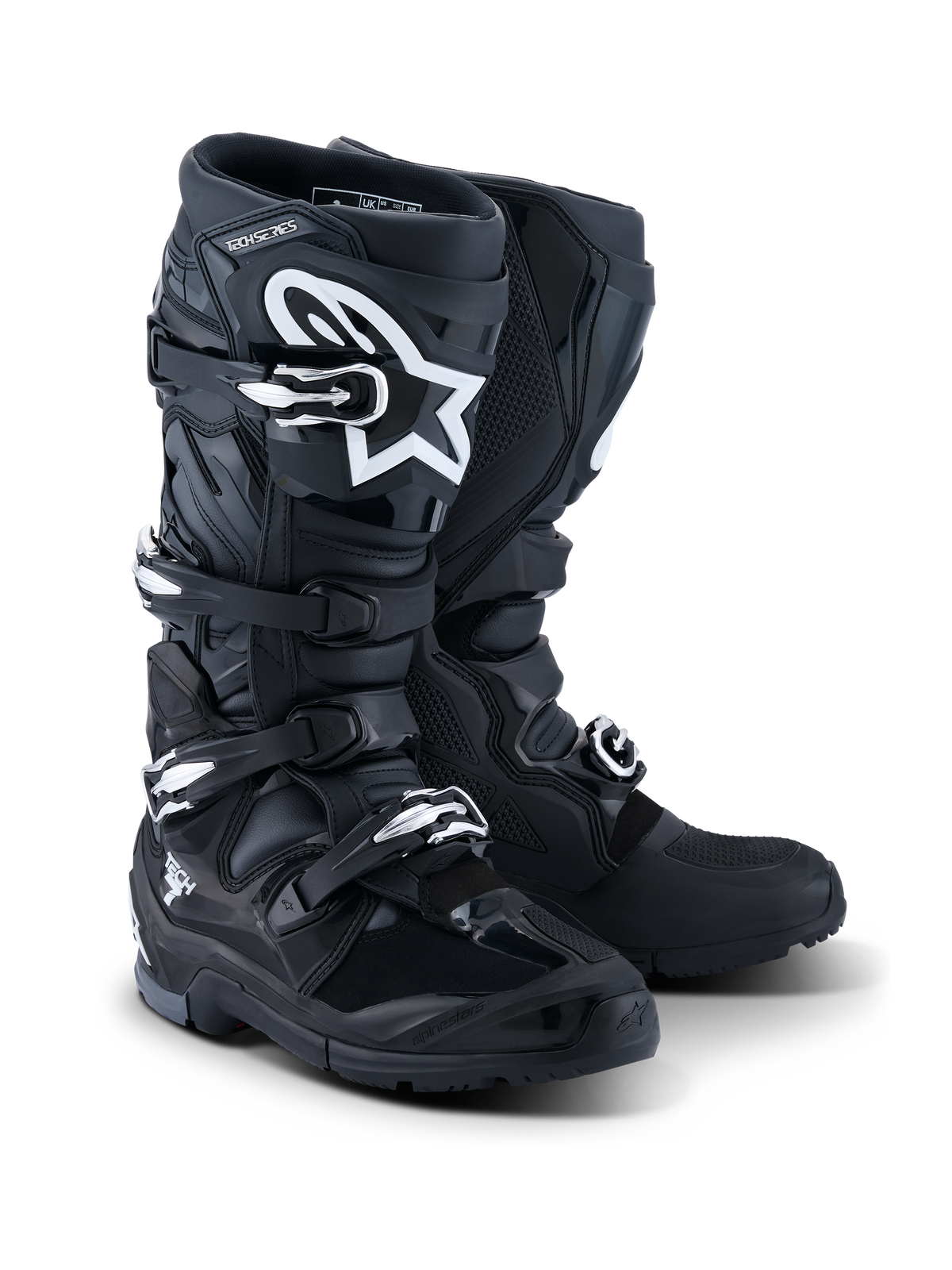
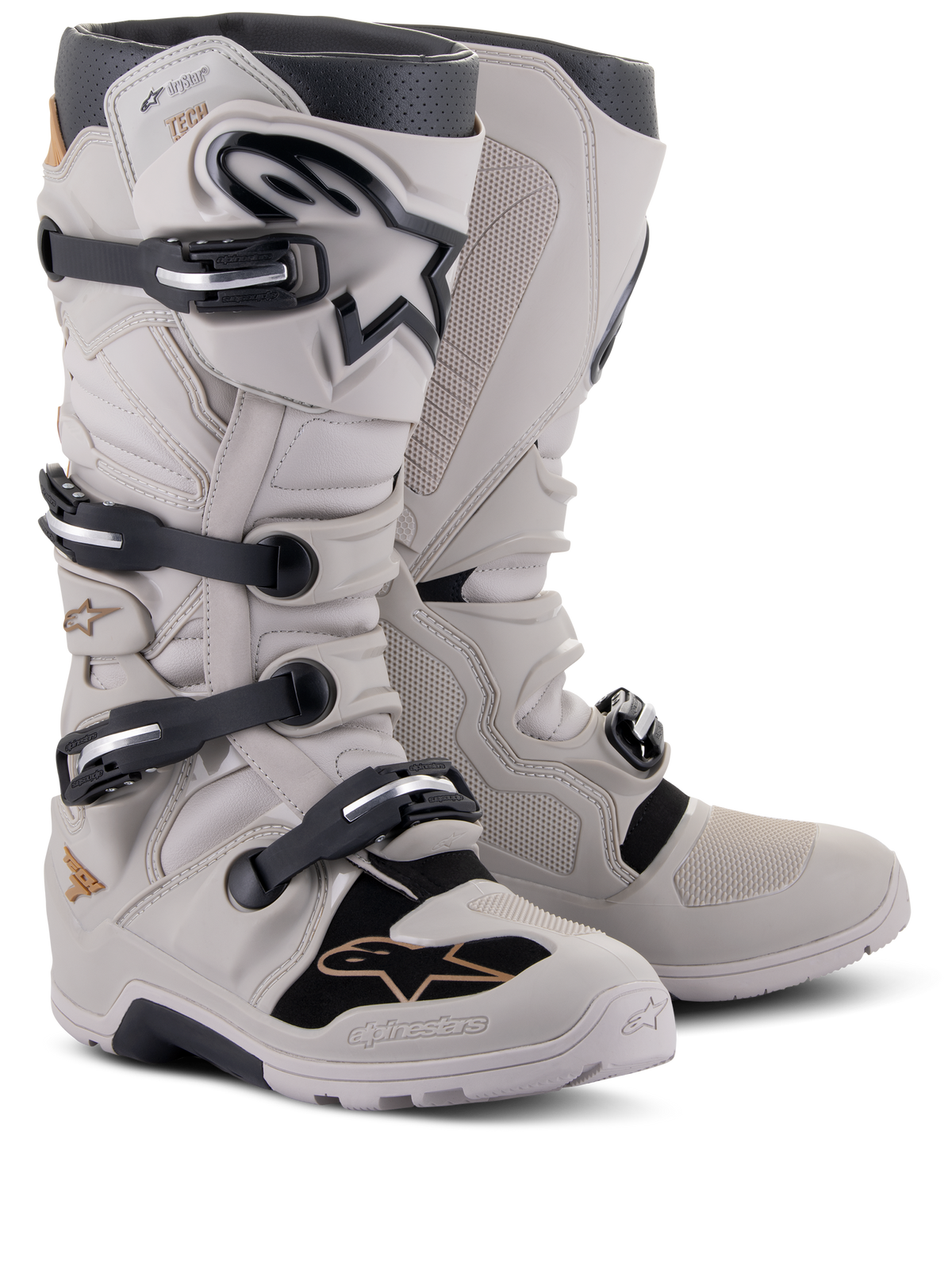
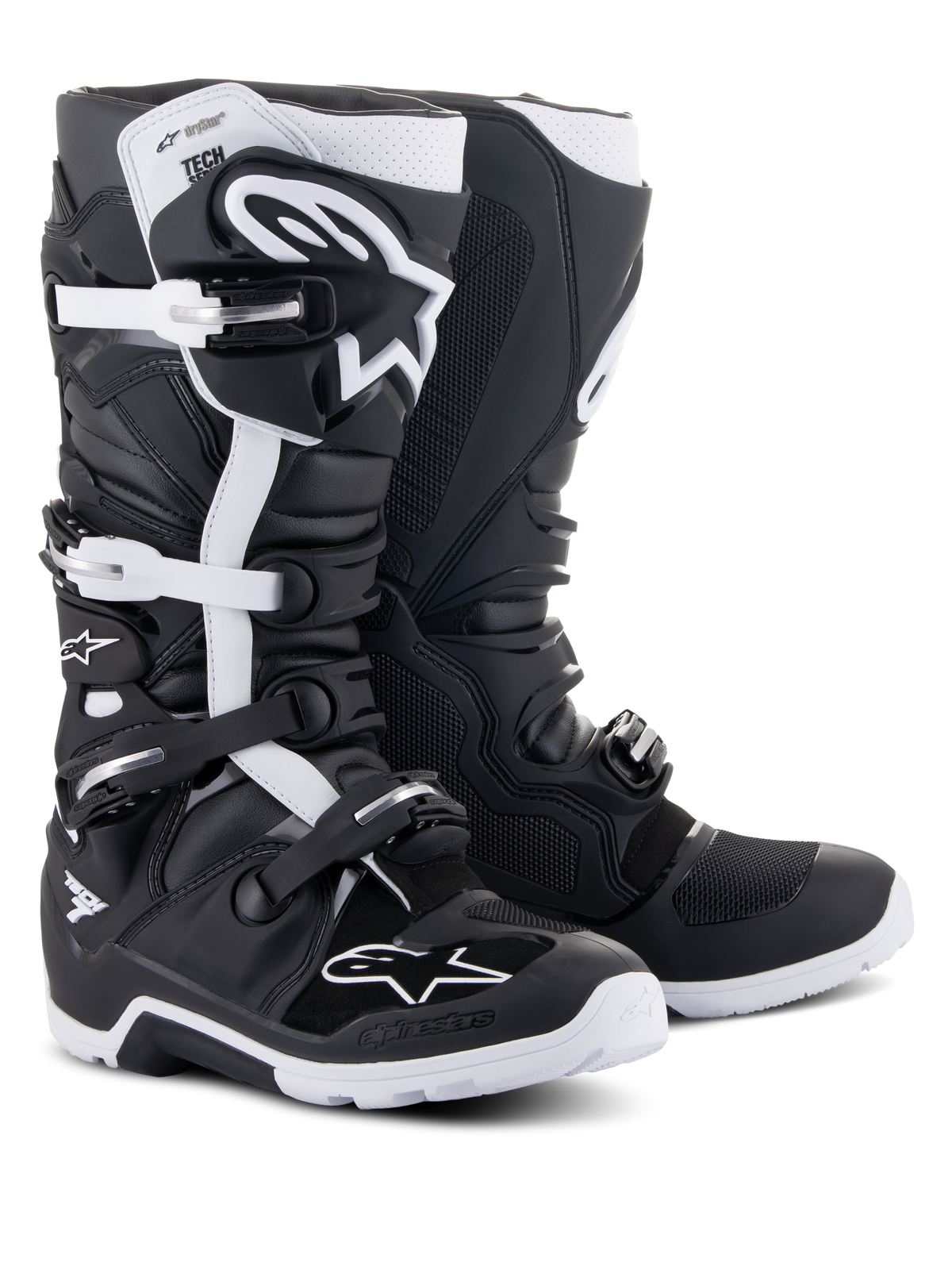
Tech 7 Enduro Drystar® Boots -
Tech 7 Enduro GORE-TEX® Boots -
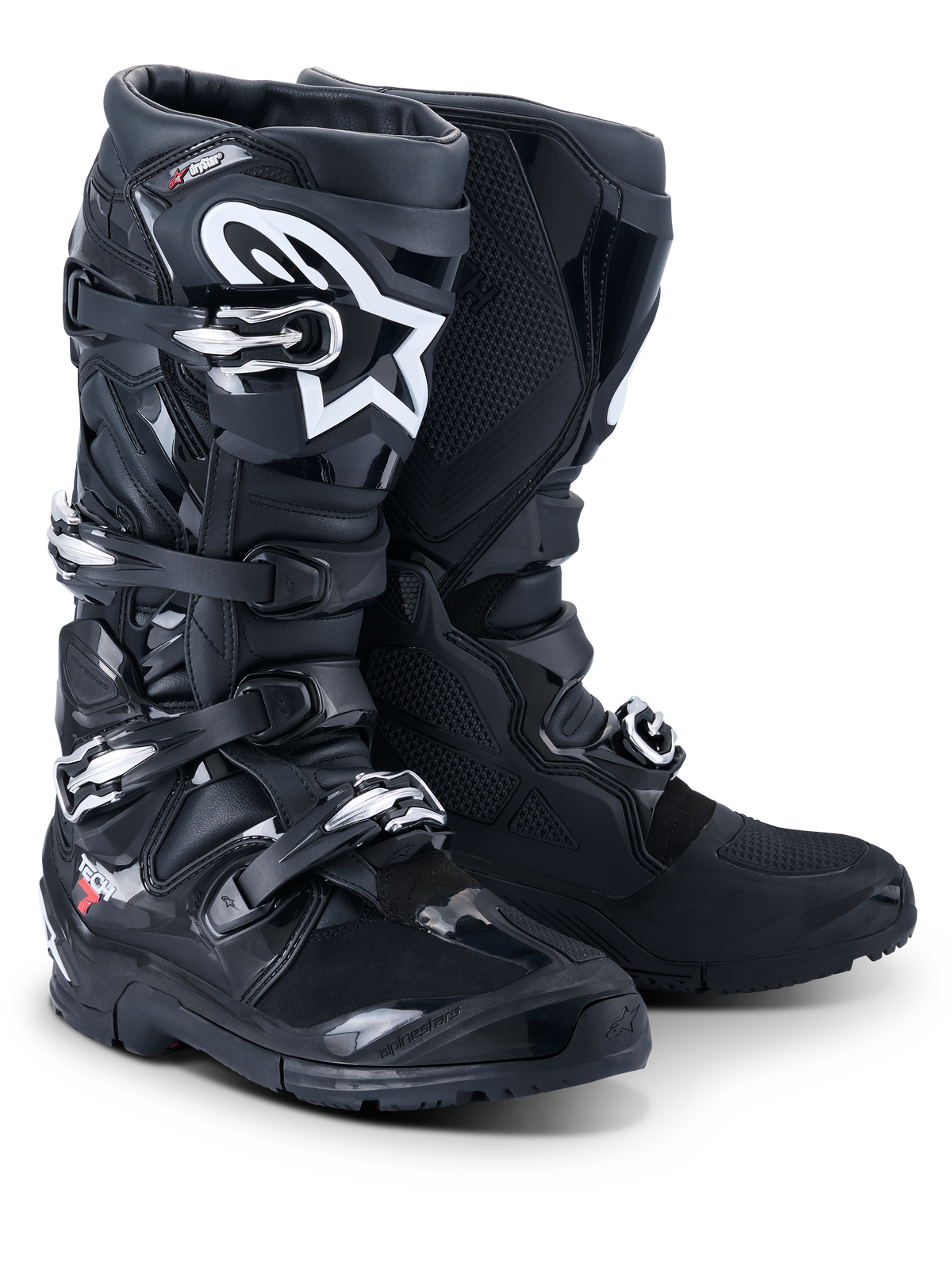
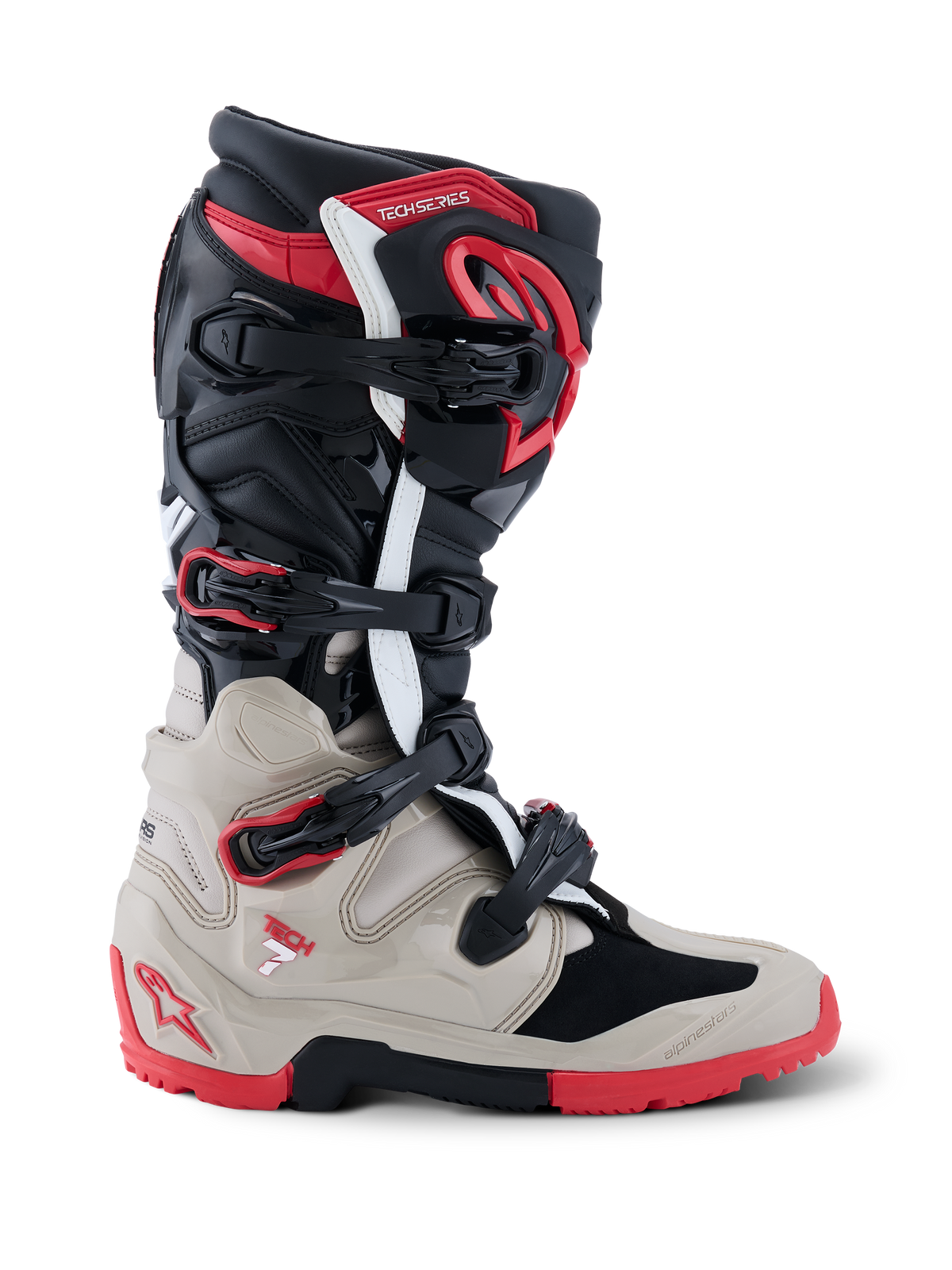
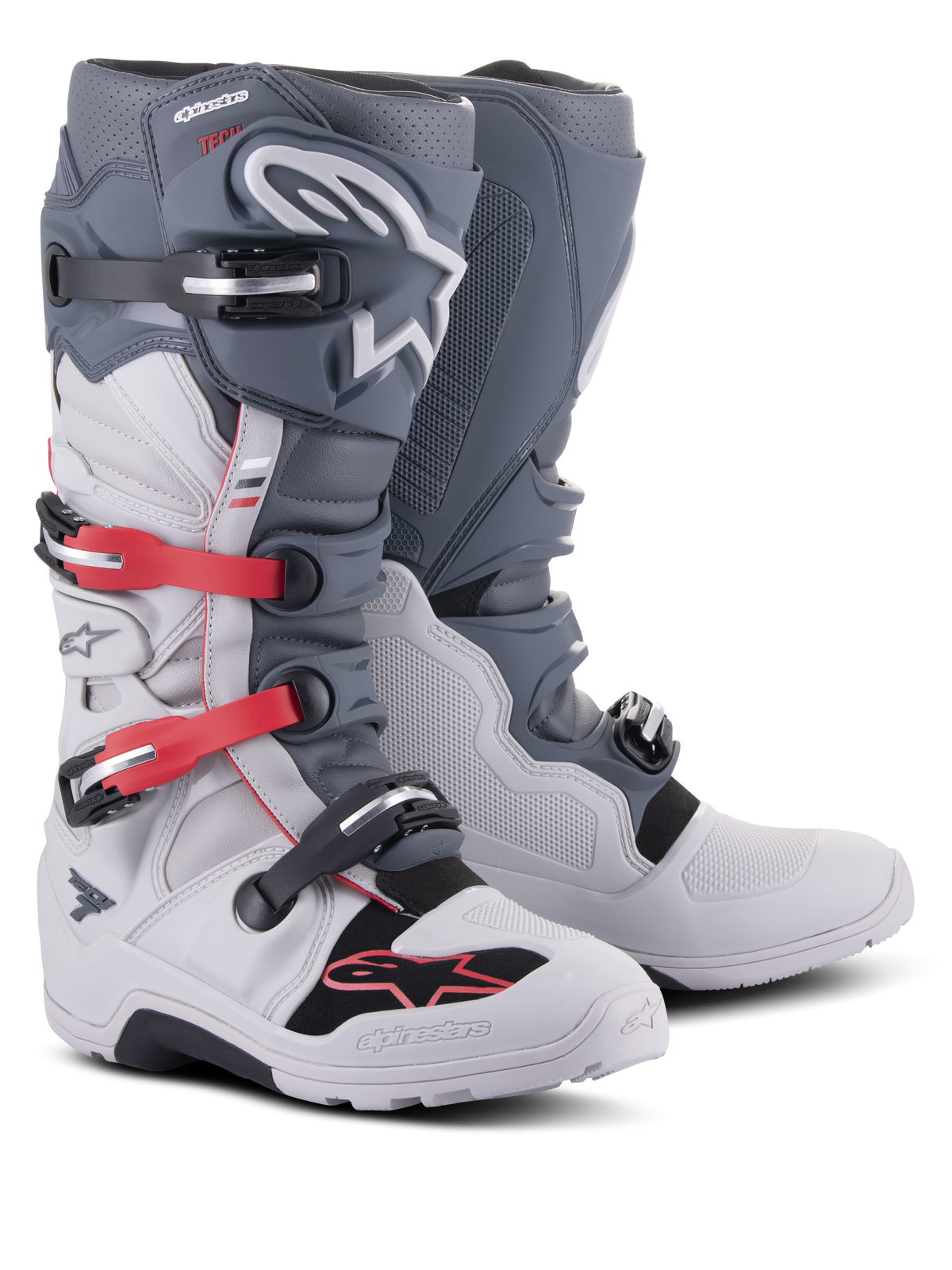
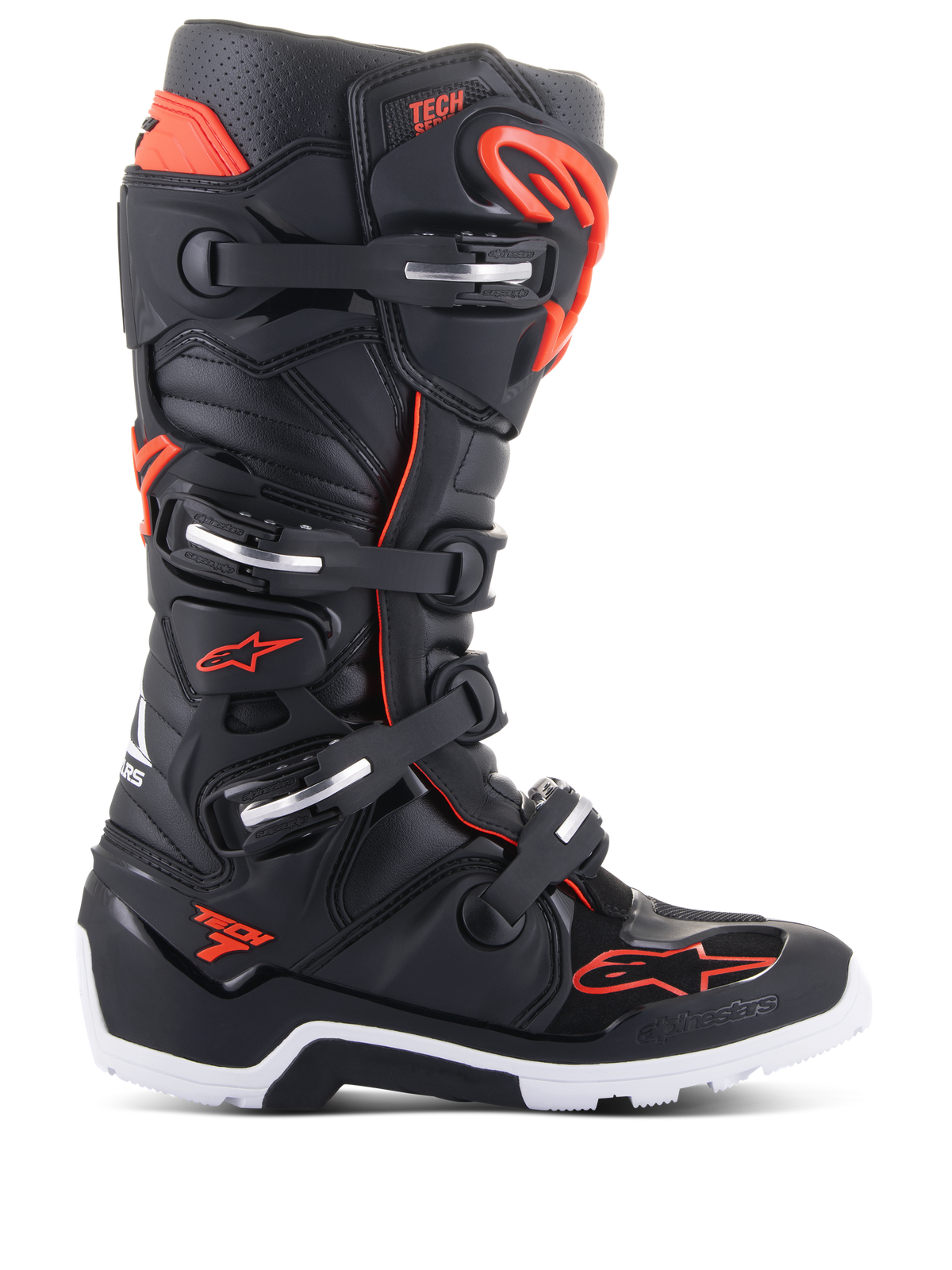
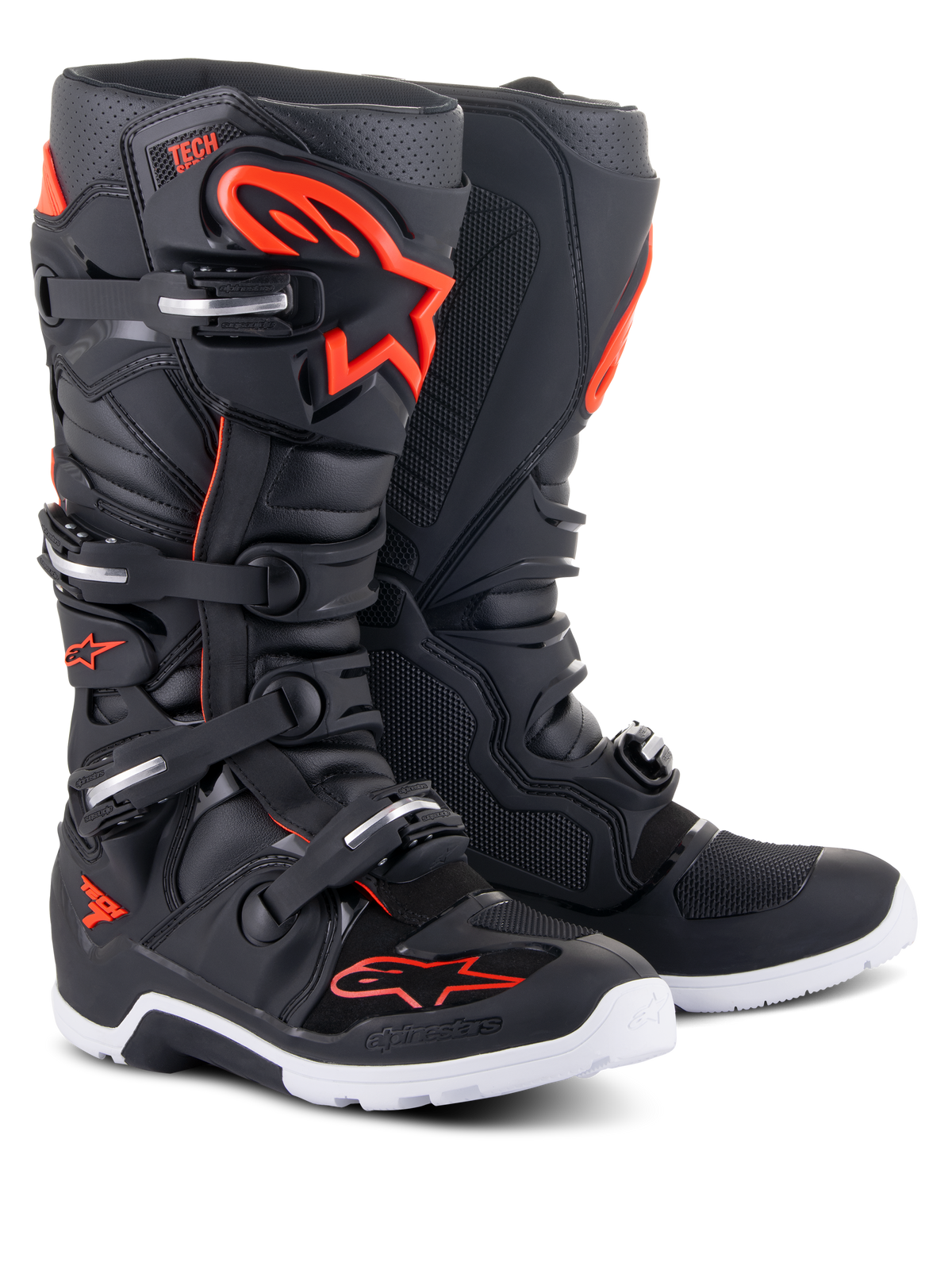
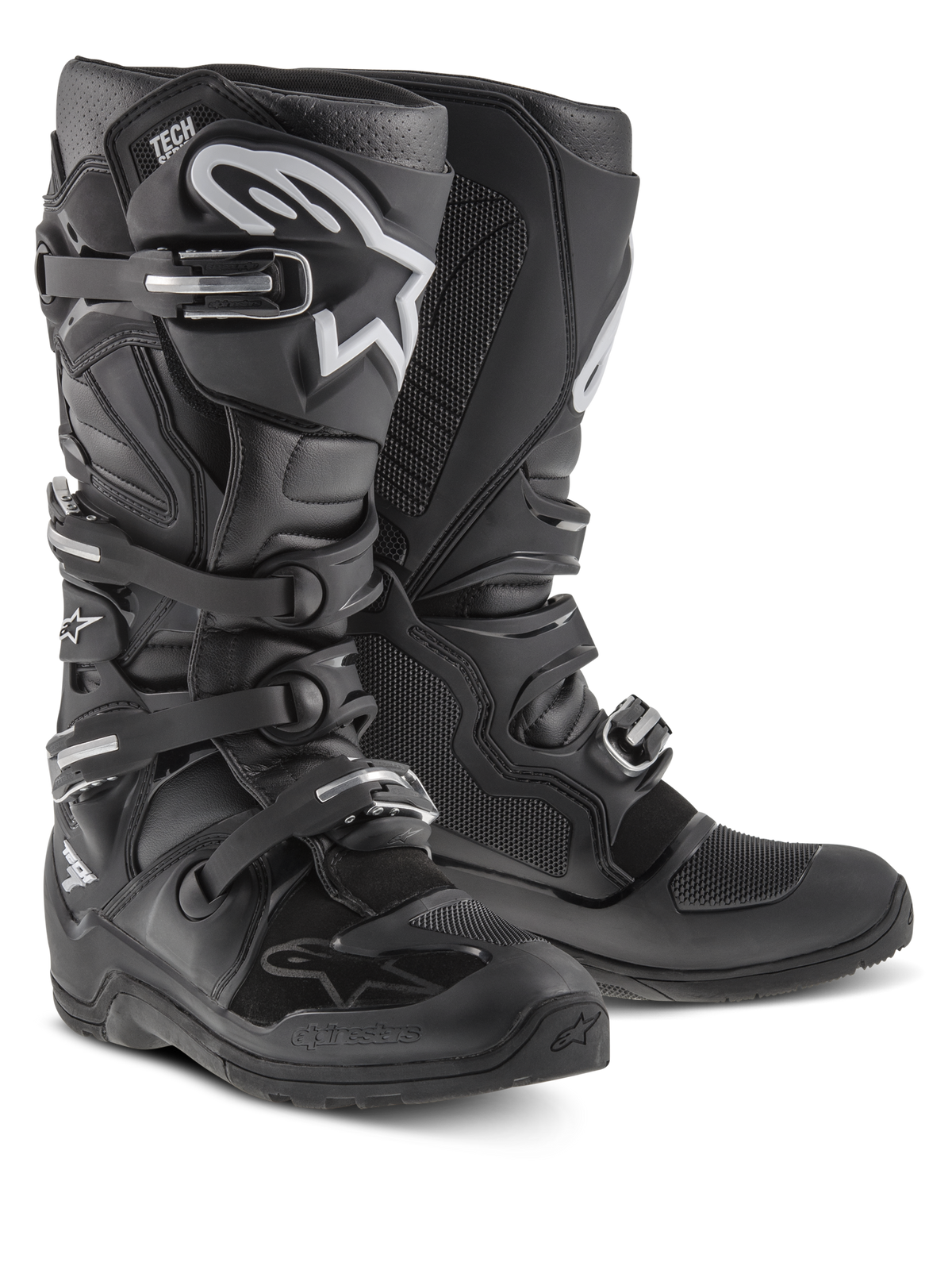
Tech 7 Enduro Boots -
Tech 10 Enduro Boots -
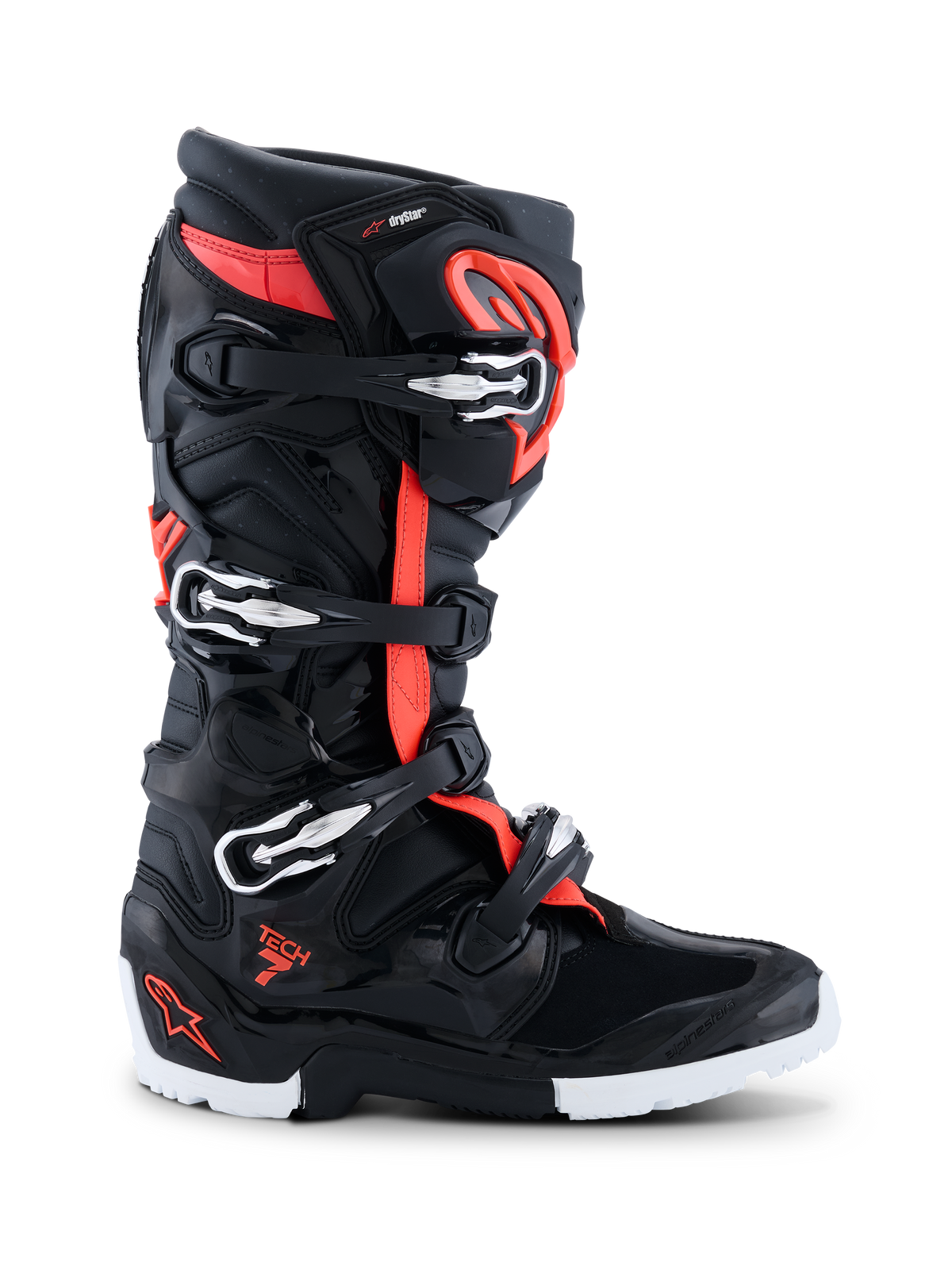
2026 Tech 7 Enduro Drystar® Boots -
2026 Tech 7 Enduro Drystar® Boots -
2026 Tech 7 Enduro Drystar® Boots -
Tech 10 Enduro Boots -
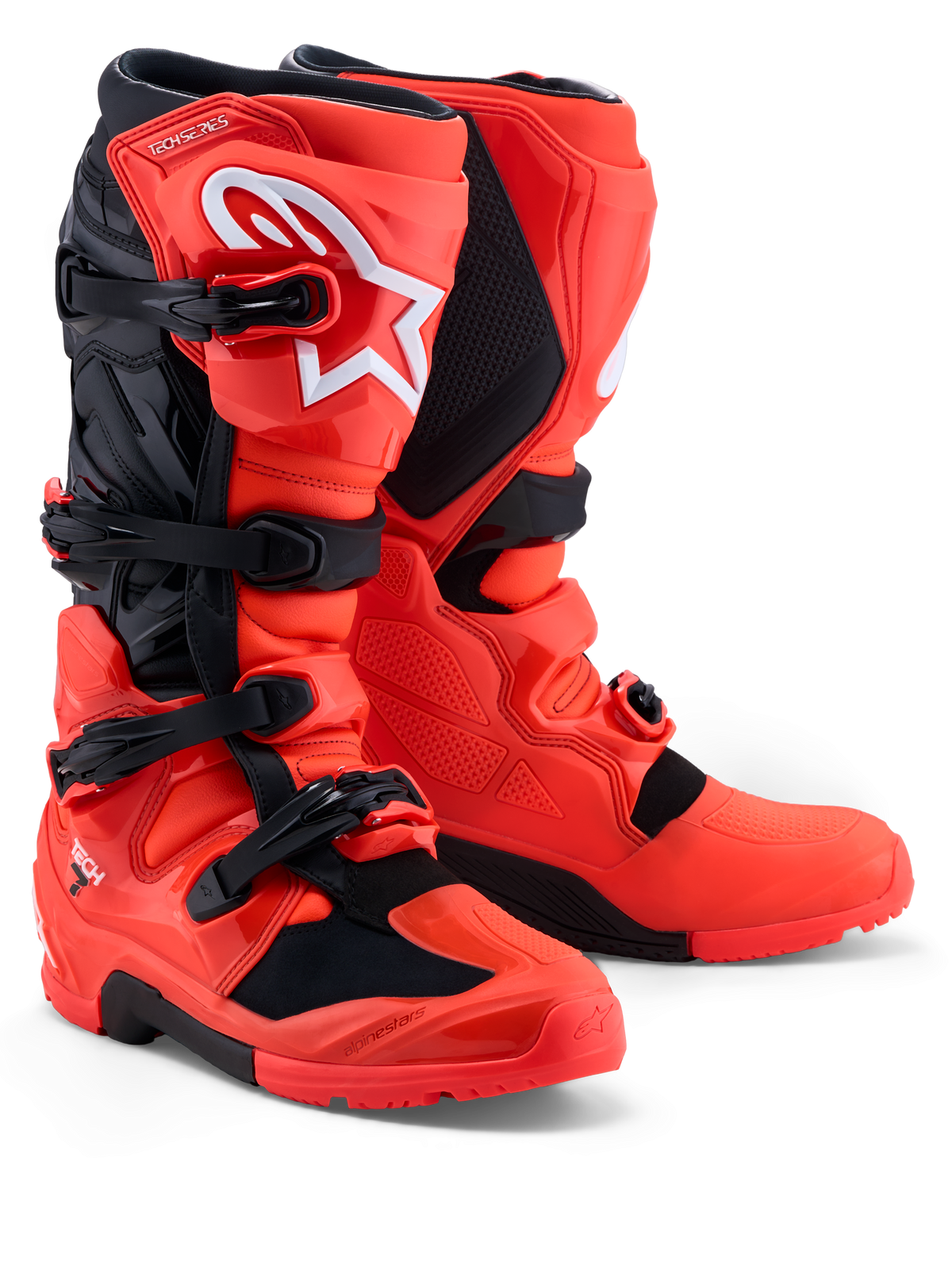
2026 Tech 7 Enduro Boots -
2026 Tech 7 Enduro Boots -
2026 Tech 7 Enduro Boots -
Tech 10 Enduro Boots -
2026 Tech 7 Enduro Boots -
Tech 7 Enduro Boots -
Tech 7 Enduro Boots -
Tech 7 Enduro Drystar® Boots -
Tech 7 Enduro Drystar® Boots -
Tech 7 Enduro Boots -
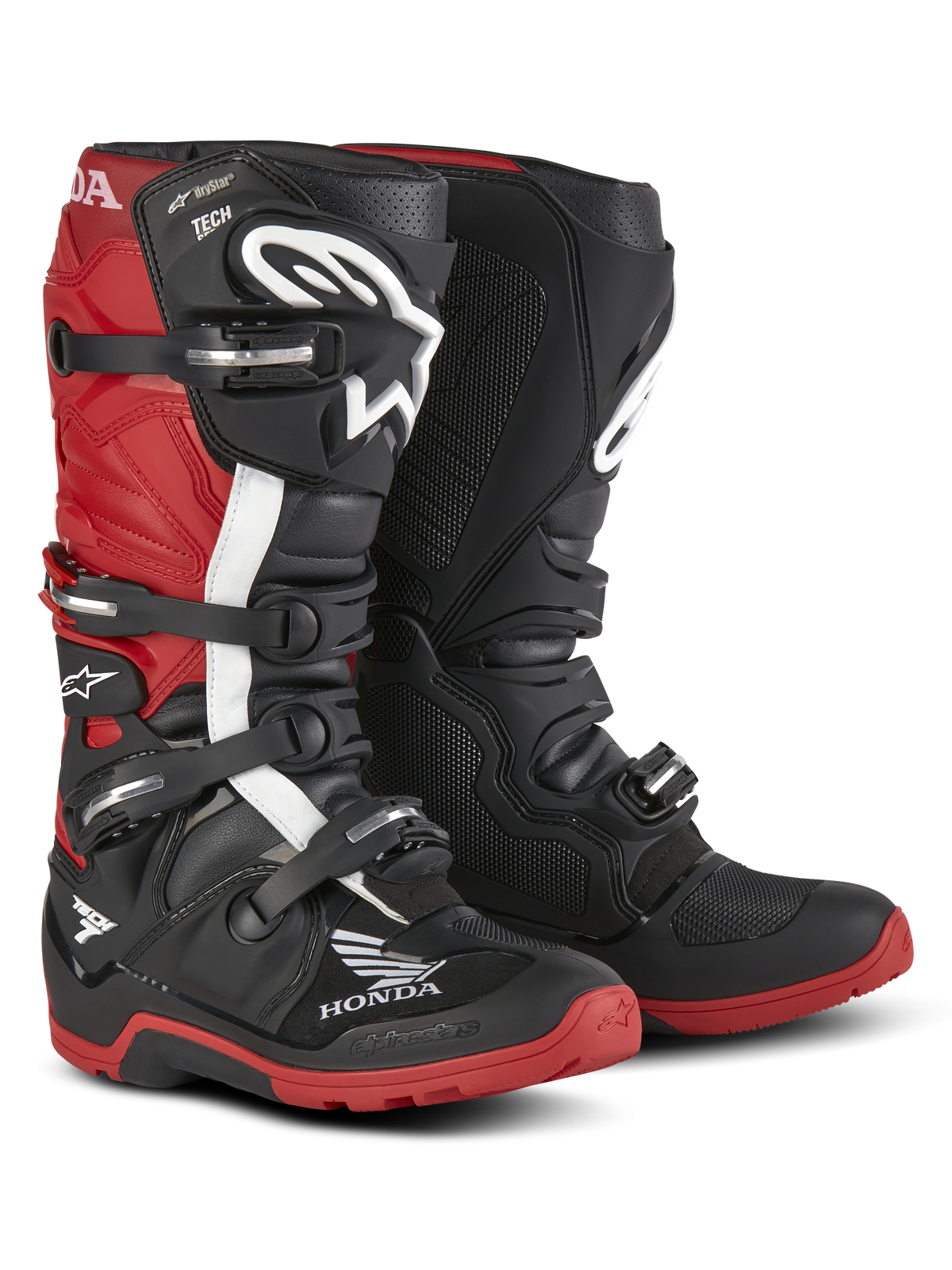
Honda Tech 7 Enduro Drystar® Boots -
Honda Tech 7 Enduro Drystar® Boots -
Tech 7 Enduro Drystar® Boots -
Tech 3 Enduro Boots

























23 of 23 products
All products loaded
Frequently asked questions Hide FAQs
What are enduro motorcycle boots designed for?
Enduro motorcycle boots are designed for off-road riding where riders need both on-bike control and dependable traction when they have to dab, push, or walk the bike. They are commonly used for technical trails, woods riding, rocky climbs, muddy sections, and mixed-terrain routes where footing matters as much as impact protection.
Compared with more track-focused off-road boots, enduro boots typically combine shin and ankle protection, reinforced toe and heel zones, and a lugged outsole that improves grip on uneven ground. This makes them a strong choice for riders who want protective off-road footwear with better off-bike usability in real trail conditions.
What is the difference between enduro boots and motocross boots?
The main difference is the riding environment they are built for. Enduro boots are made for technical off-road terrain where riders may need more walking grip and versatility, while motocross boots are generally optimized for track riding, repeated jump impacts, and a stiffer, more race-focused feel on the pegs.
| Feature | Enduro Boots | Motocross Boots |
|---|---|---|
| Primary use | Trails, woods, technical off-road, mixed terrain | MX tracks, jumps, faster closed-course riding |
| Sole design | Lugged tread for traction off the bike | Smoother sole for peg feel and slide control |
| Walking grip | Higher | Lower |
| Typical feel | More versatile for varied terrain | More rigid and track-focused |
If your riding is mainly motocross, browse the MX boots collection. If you ride technical trails, wet ground, and mixed off-road terrain, enduro-specific boots are usually the more appropriate option.
Are enduro motorcycle boots waterproof?
Not all enduro motorcycle boots are waterproof. In this category, some options prioritize ventilation, lower water absorption, and quicker drying for warm or dry conditions, while others use a waterproof or waterproof-breathable membrane for wet weather, stream crossings, and colder rides.
If you regularly ride in rain, mud, or prolonged wet terrain, look for models in the collection that specifically mention waterproof construction or a weatherproof membrane. If your priority is airflow and reduced heat build-up on demanding trails, a non-waterproof option may be the better fit.
Are enduro motorcycle boots CE certified, and what does EN 13634 mean?
Many motorcycle boots in this category are CE certified to EN 13634, the European standard for protective motorcycle footwear. This standard evaluates key areas such as abrasion resistance, cut resistance, impact protection, transverse rigidity, and minimum boot height requirements.
Certification can vary by model, so the exact rating should be confirmed on the individual product page or inside the boot labeling. For riders comparing off-road footwear, EN 13634 certification is a useful benchmark because it shows the boot has been tested against recognized motorcycle protection criteria.
How should enduro motorcycle boots fit and how do I choose the right size?
Enduro boots should fit securely at the heel, ankle, and instep without creating pressure points or cutting off circulation. There should be enough room in the toe box for comfort and movement, but not so much internal space that your foot shifts inside the boot and reduces control on the pegs.
Most riders start with their usual motorcycle boot size and then account for off-road socks, insoles, or knee brace use if applicable. When trying boots on, check the fit while standing and in a riding position, make sure the buckles close securely, and confirm the upper works properly with your knee protection. A short break-in period is normal with more protective off-road constructions.