
119 résultats
-
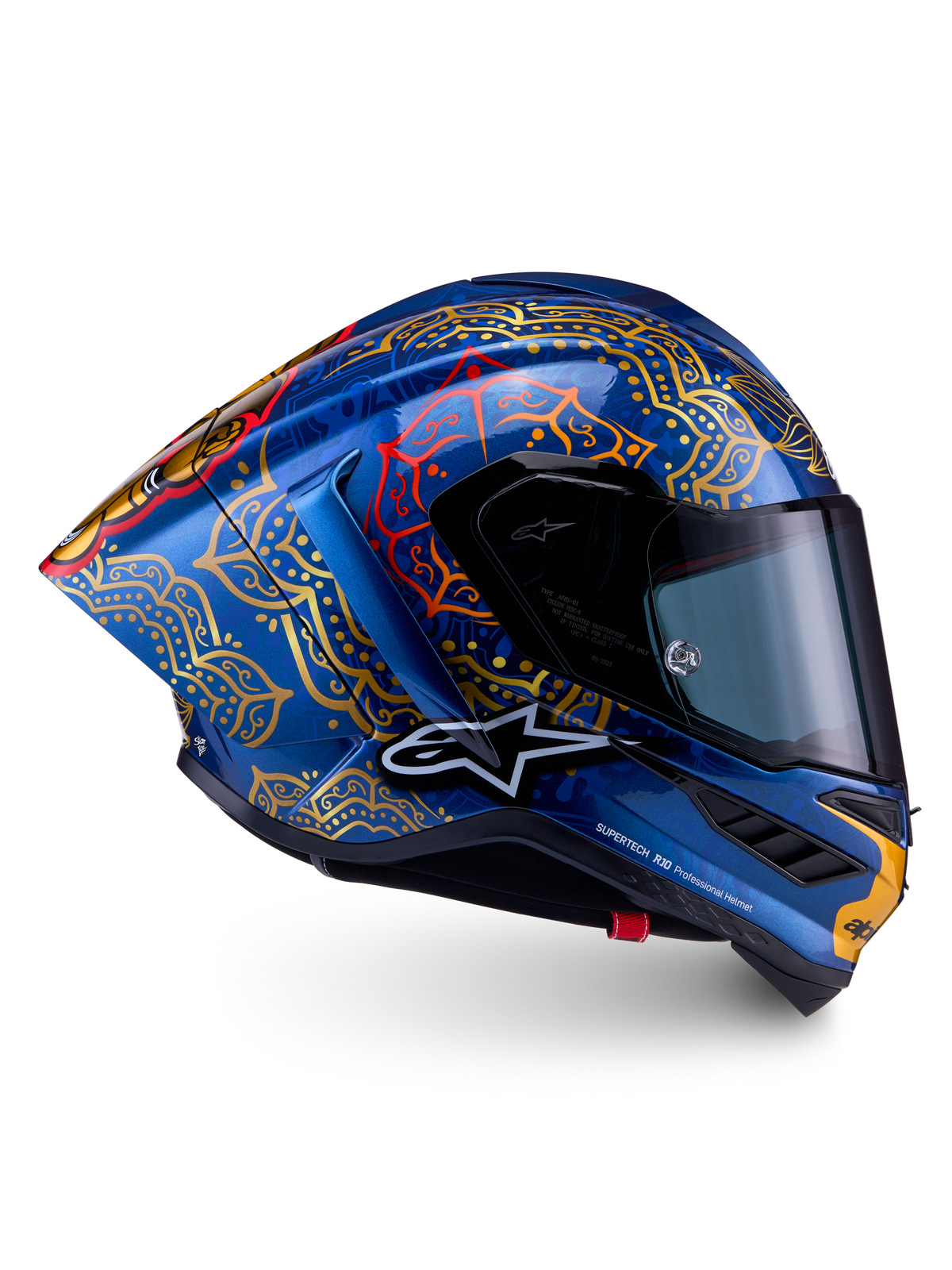
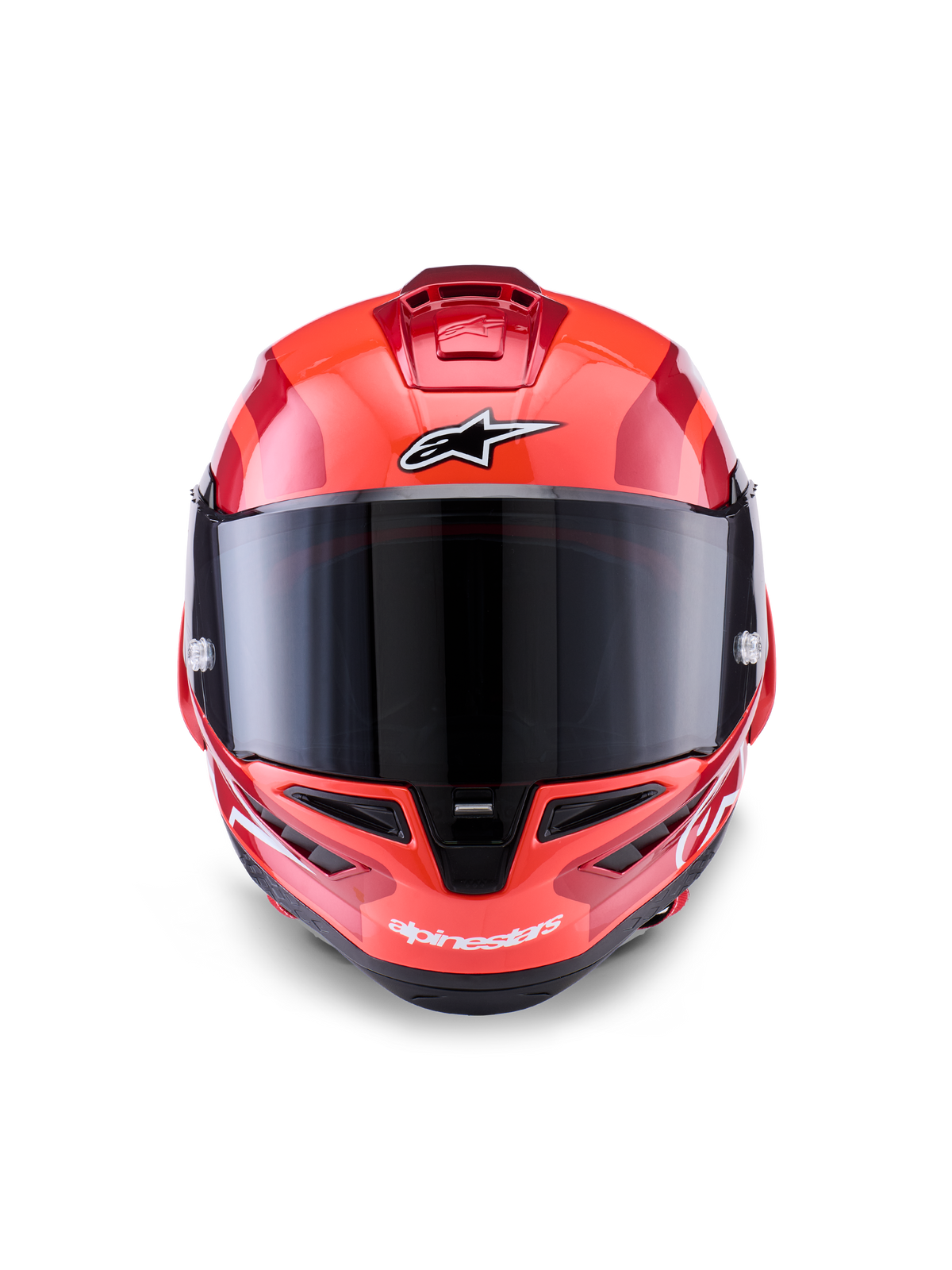
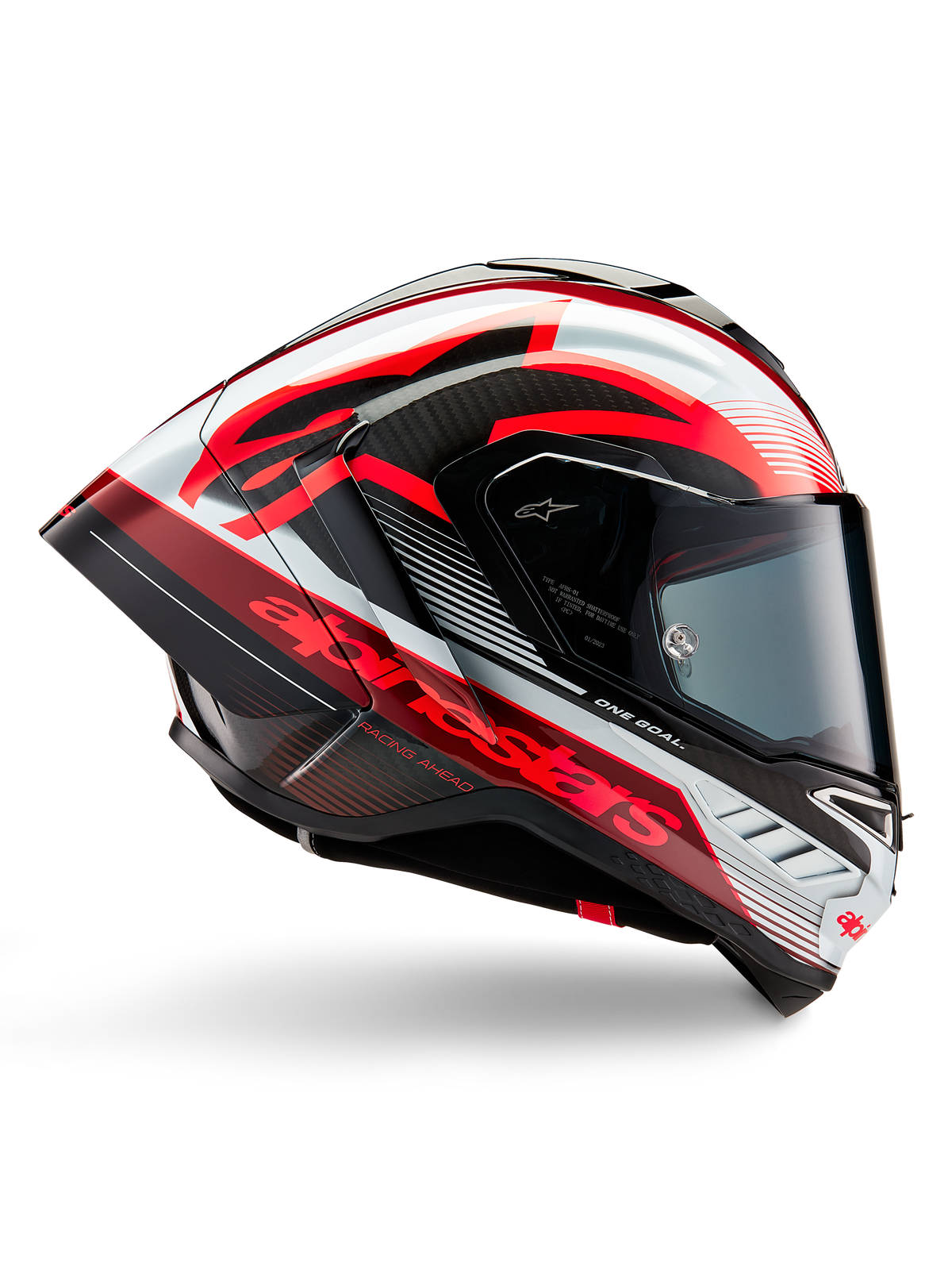
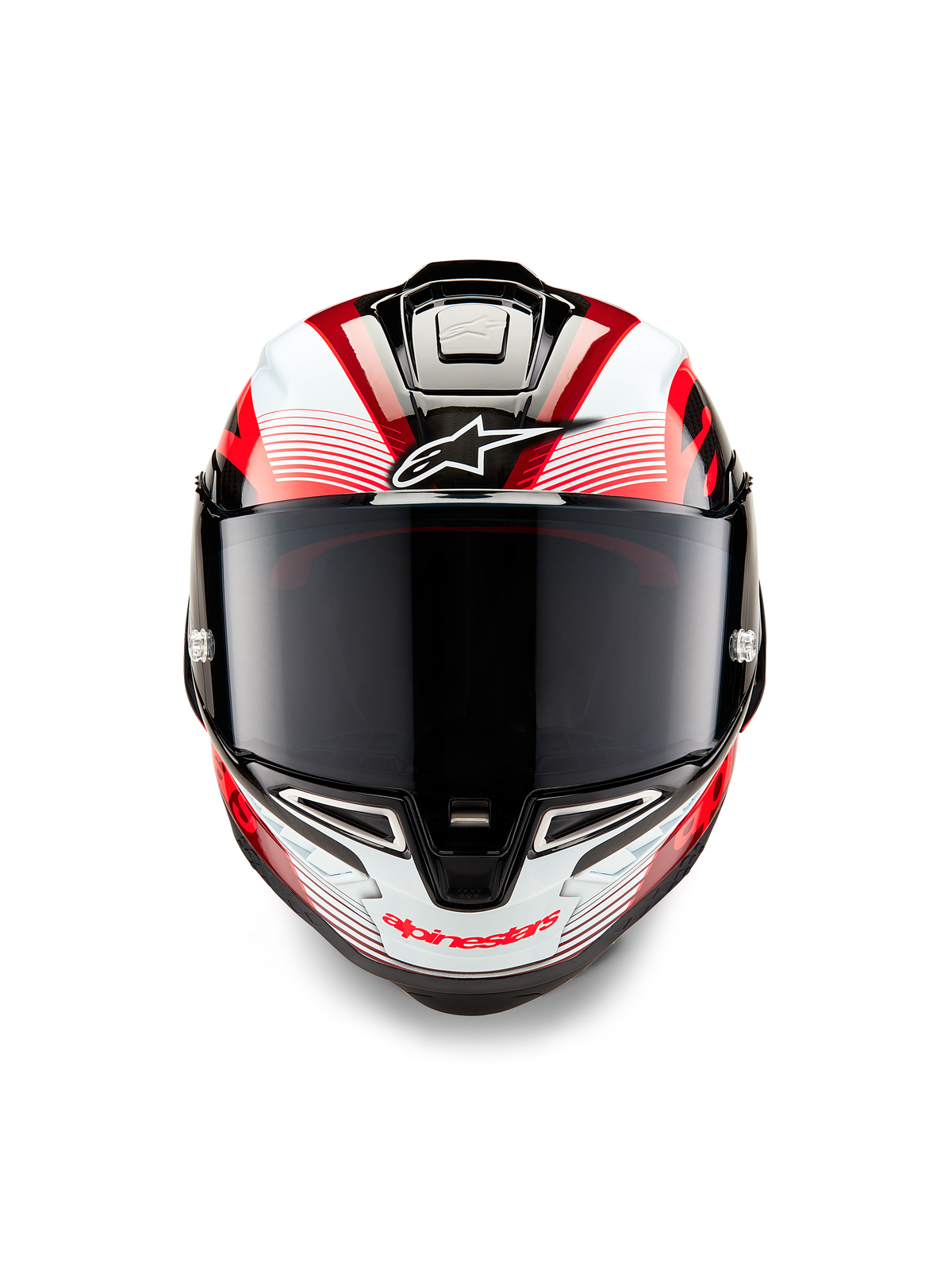
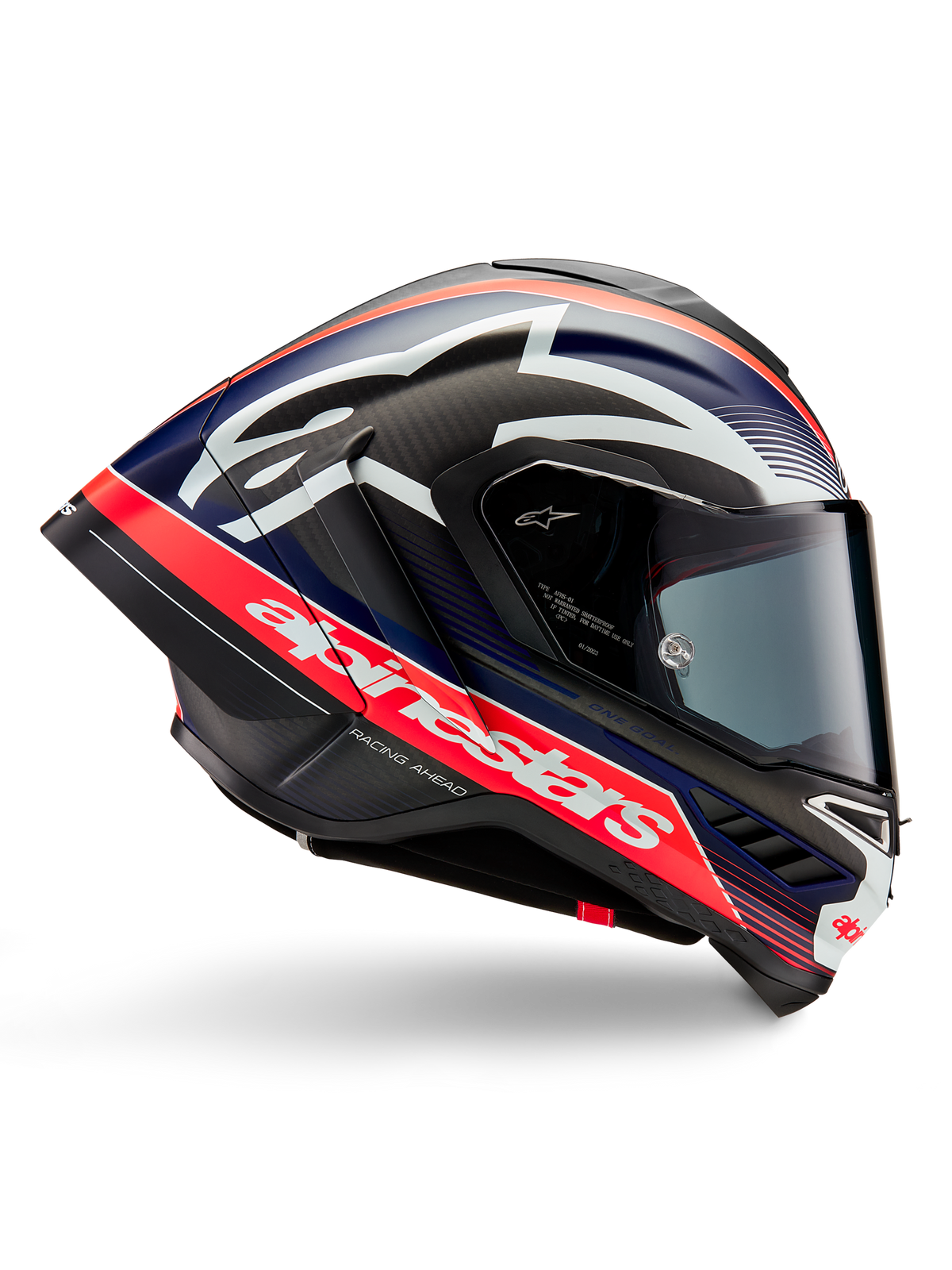
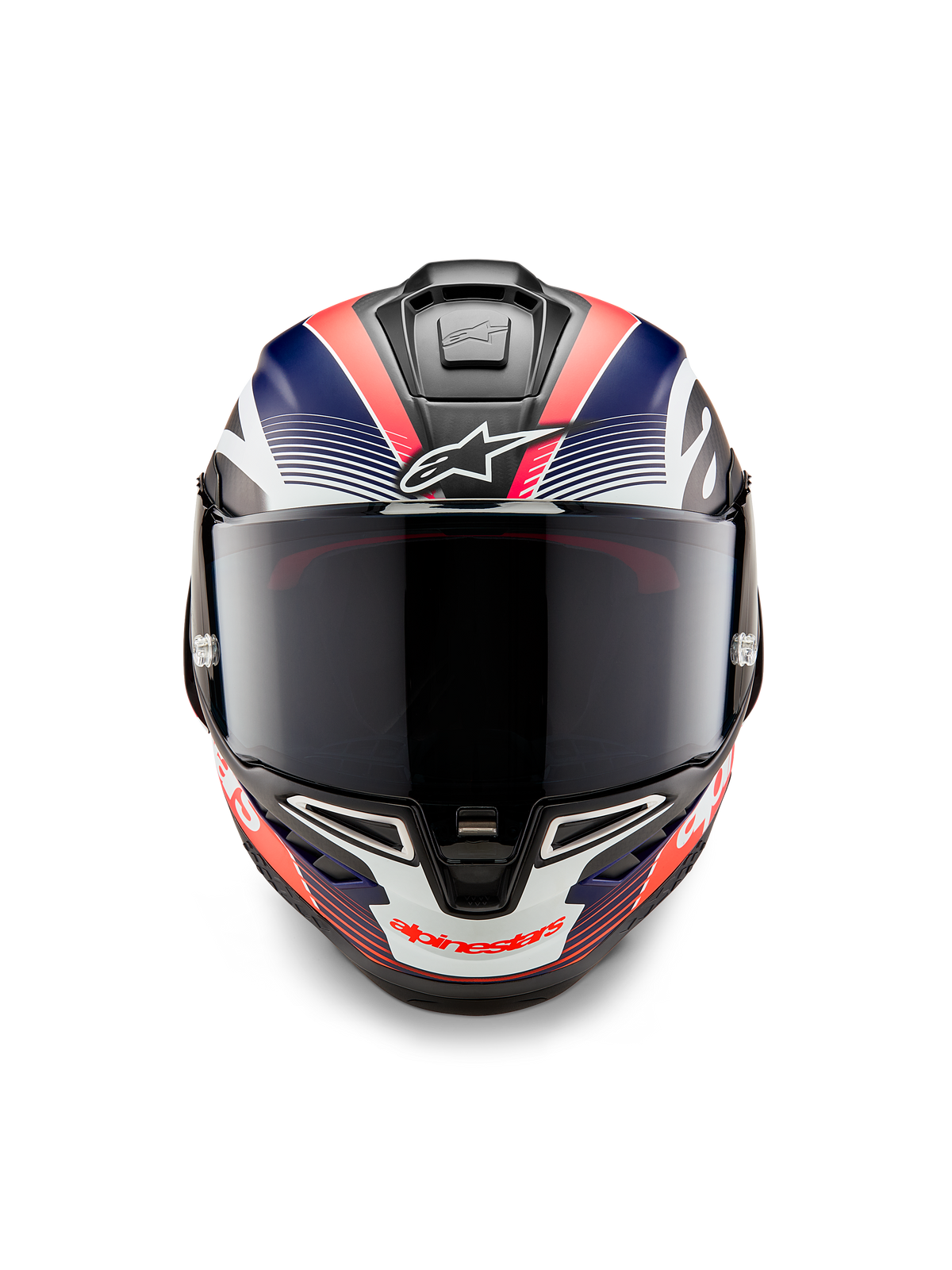
Casque Supertech R10 Martinator Thai Édition Limitée -
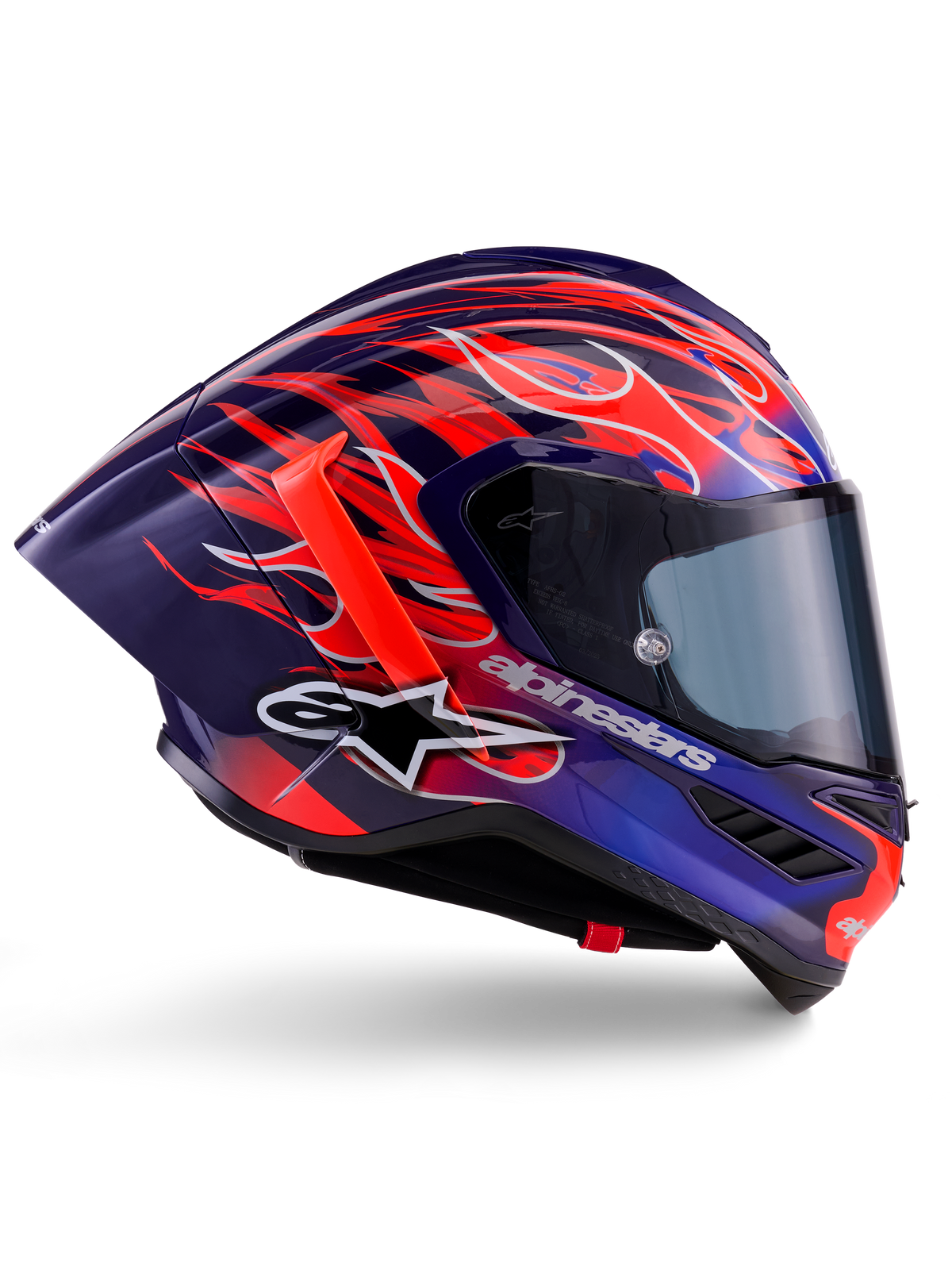
Casque Supertech R10 Flyte Édition Limitée -
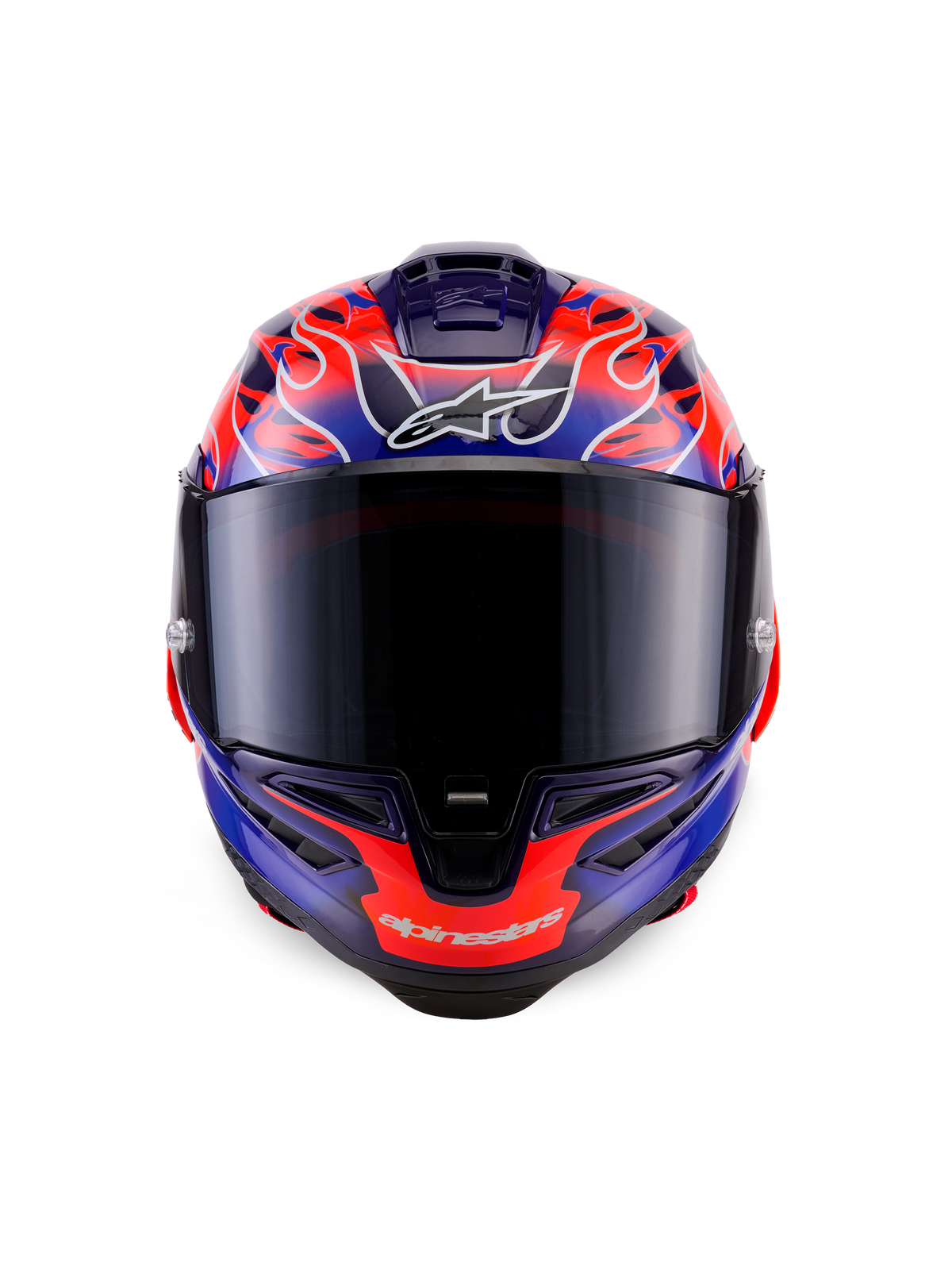
Casque Supertech R10 Acosta Édition Limitée -
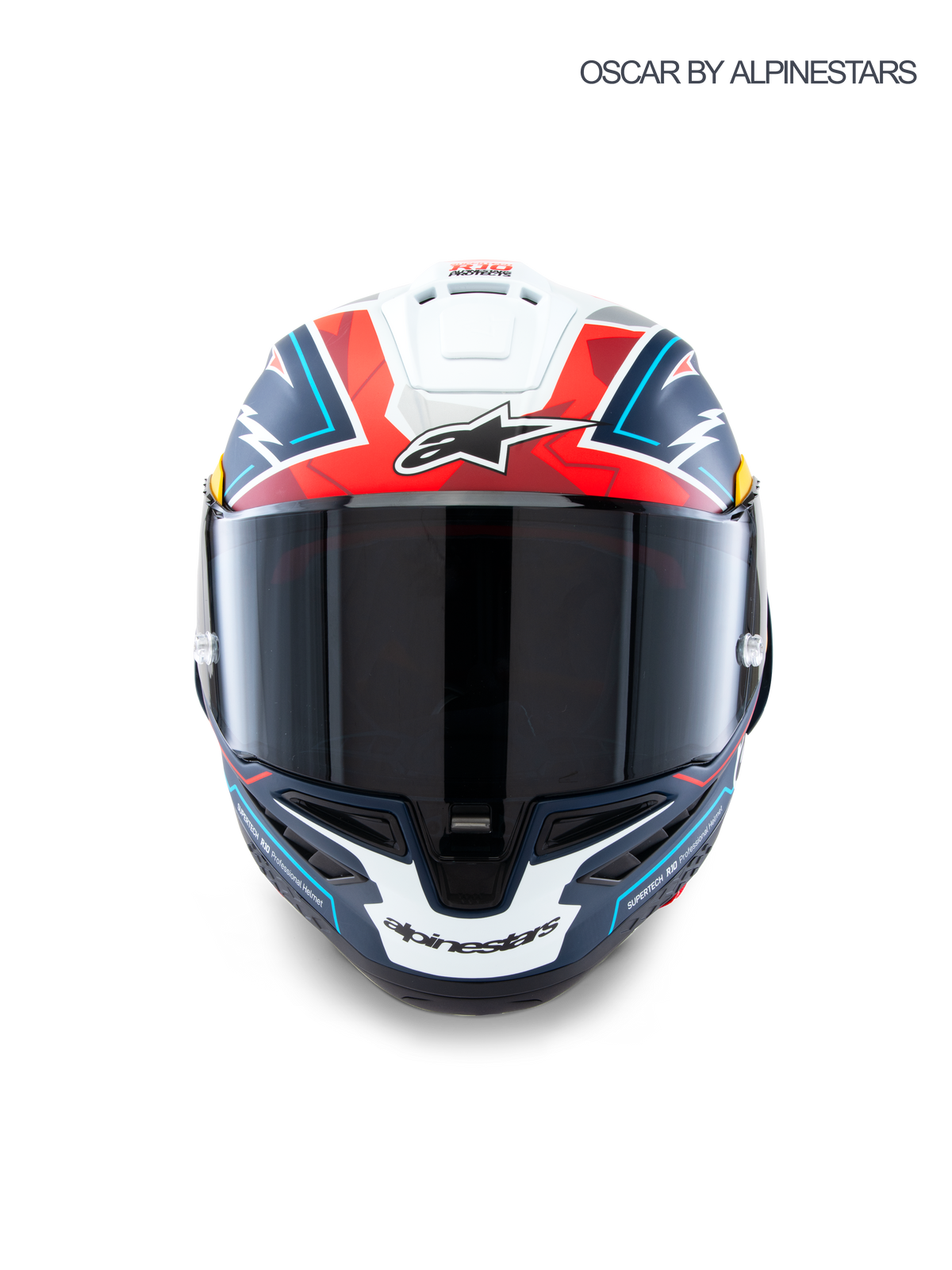
Casque Supertech R10 Miller Édition Limitée -
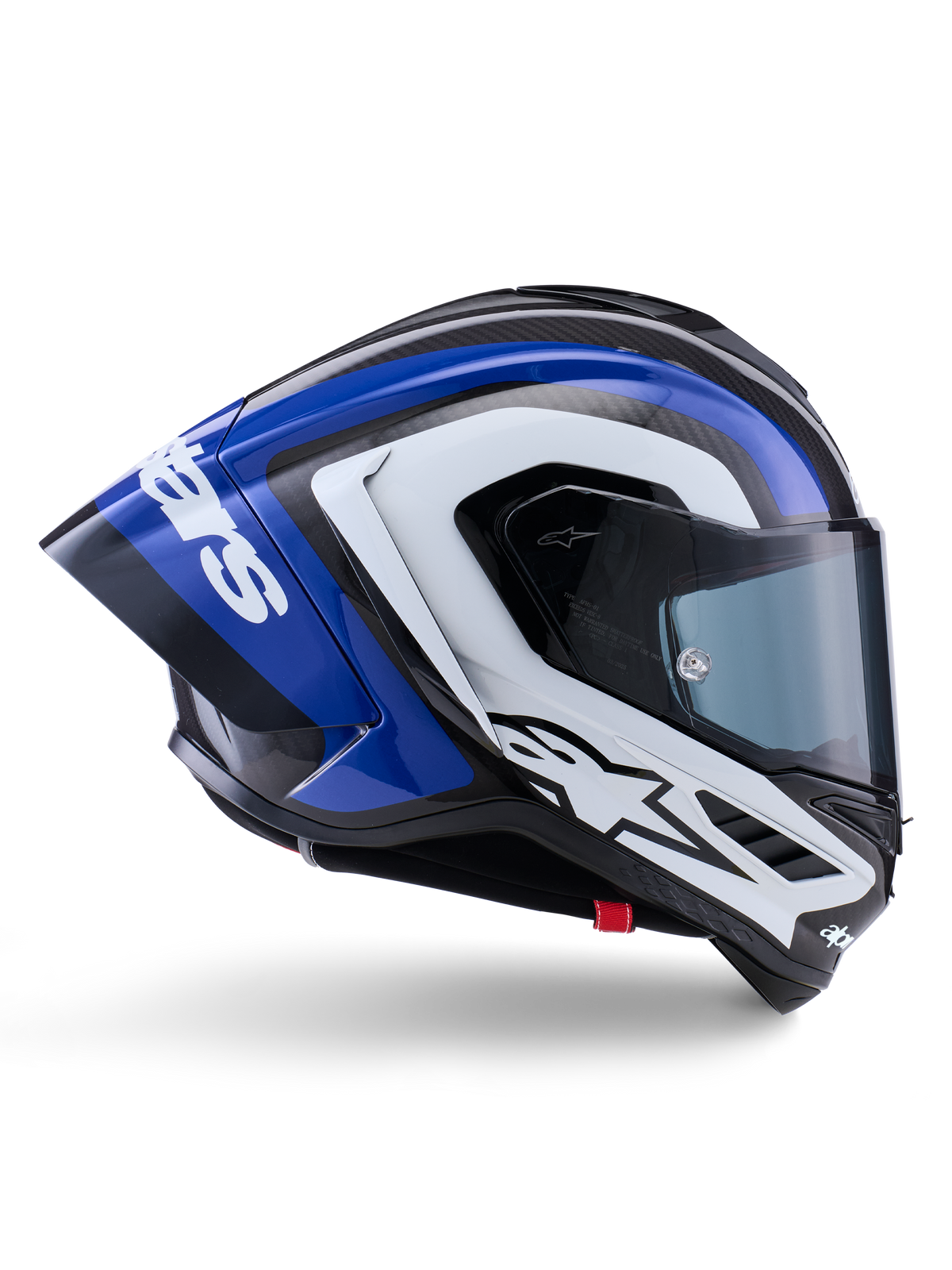
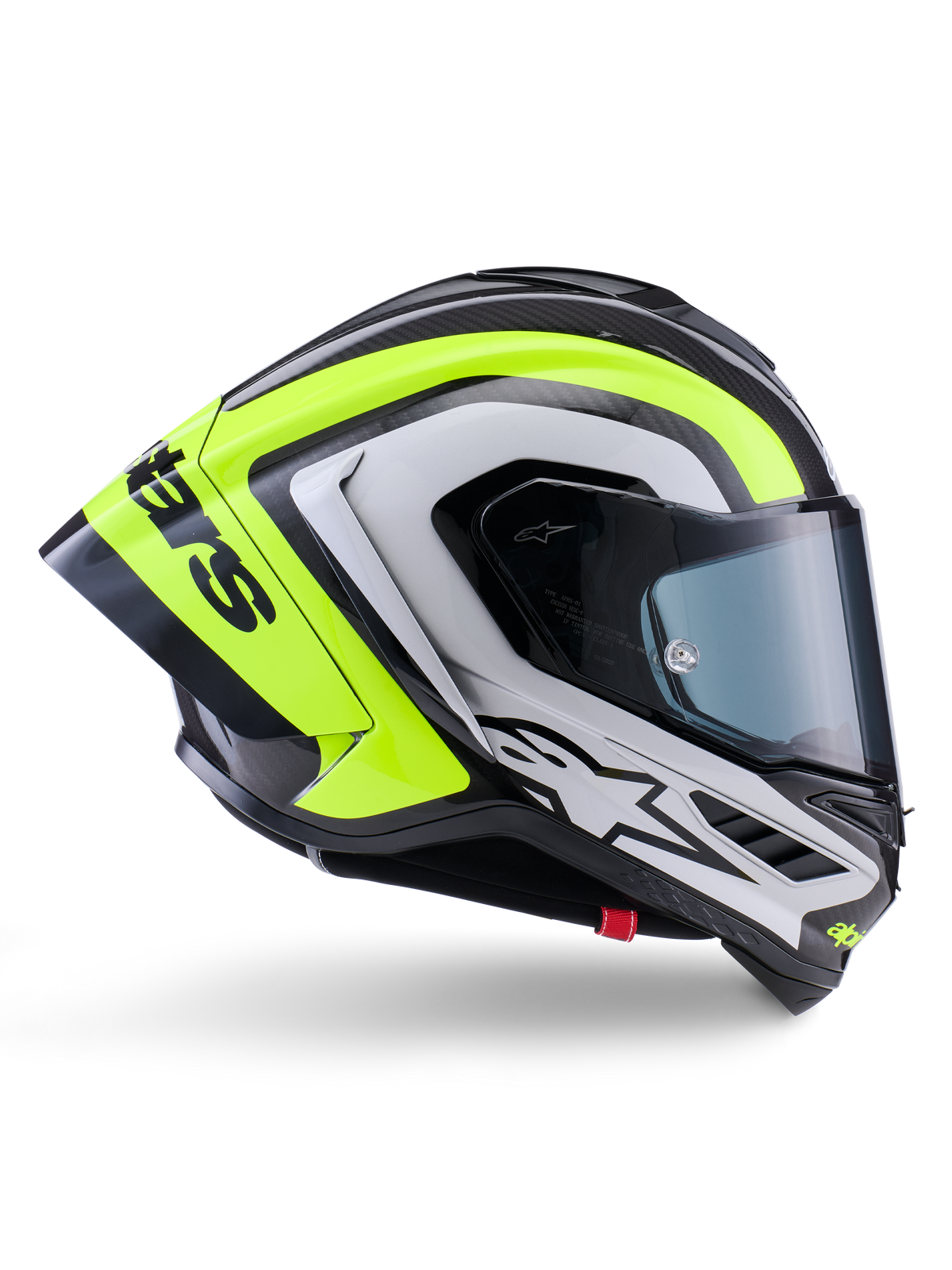
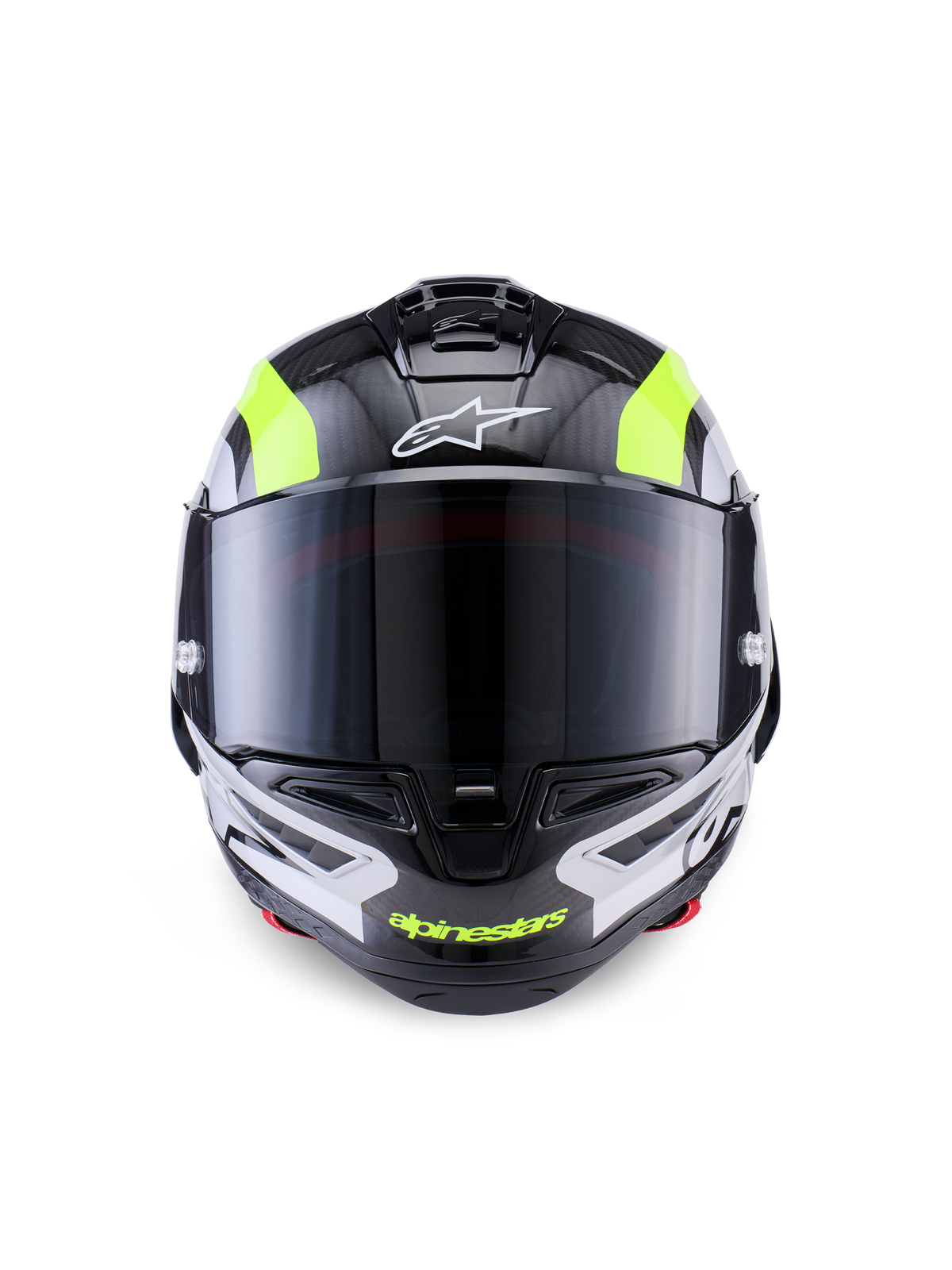
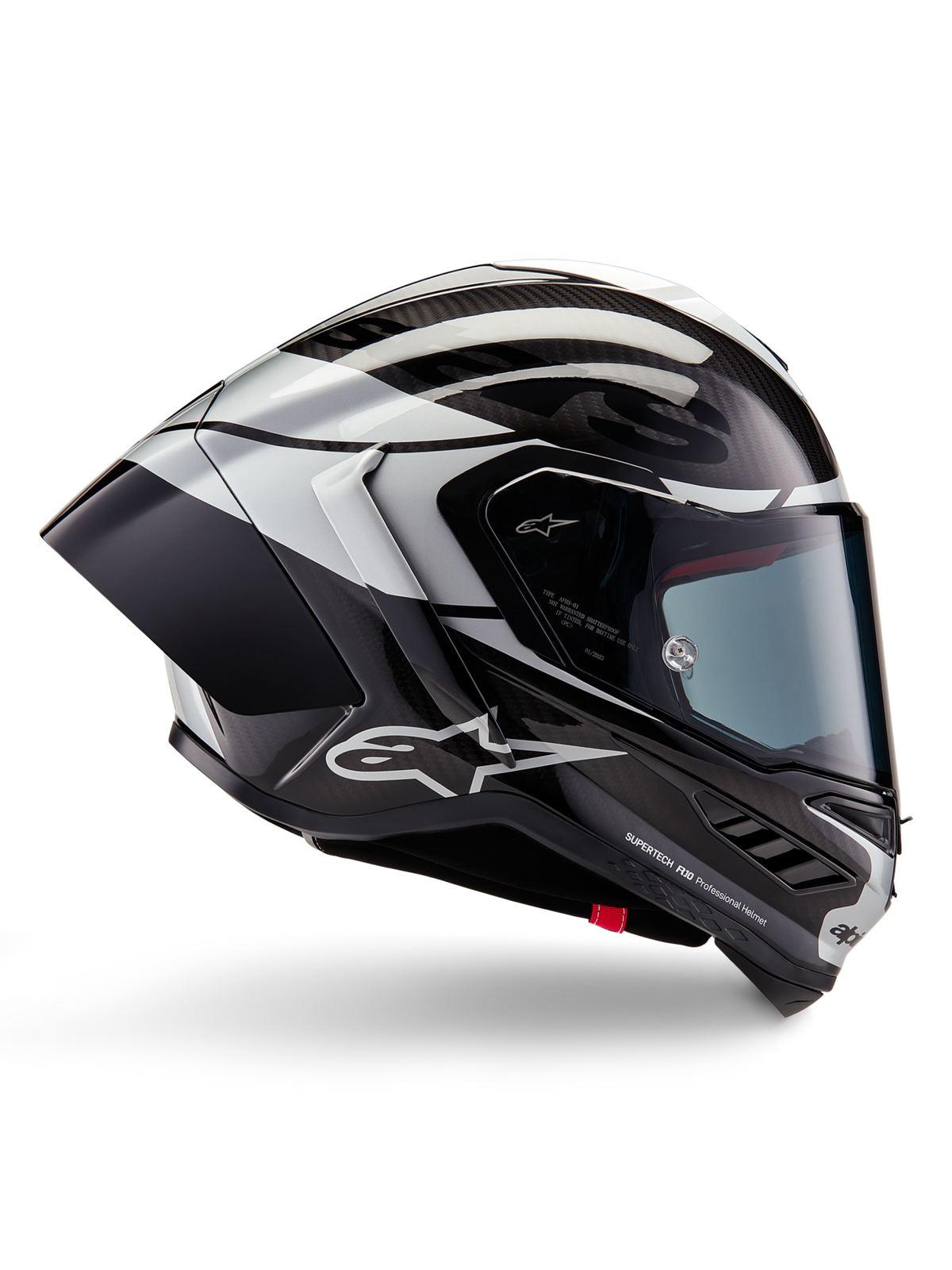
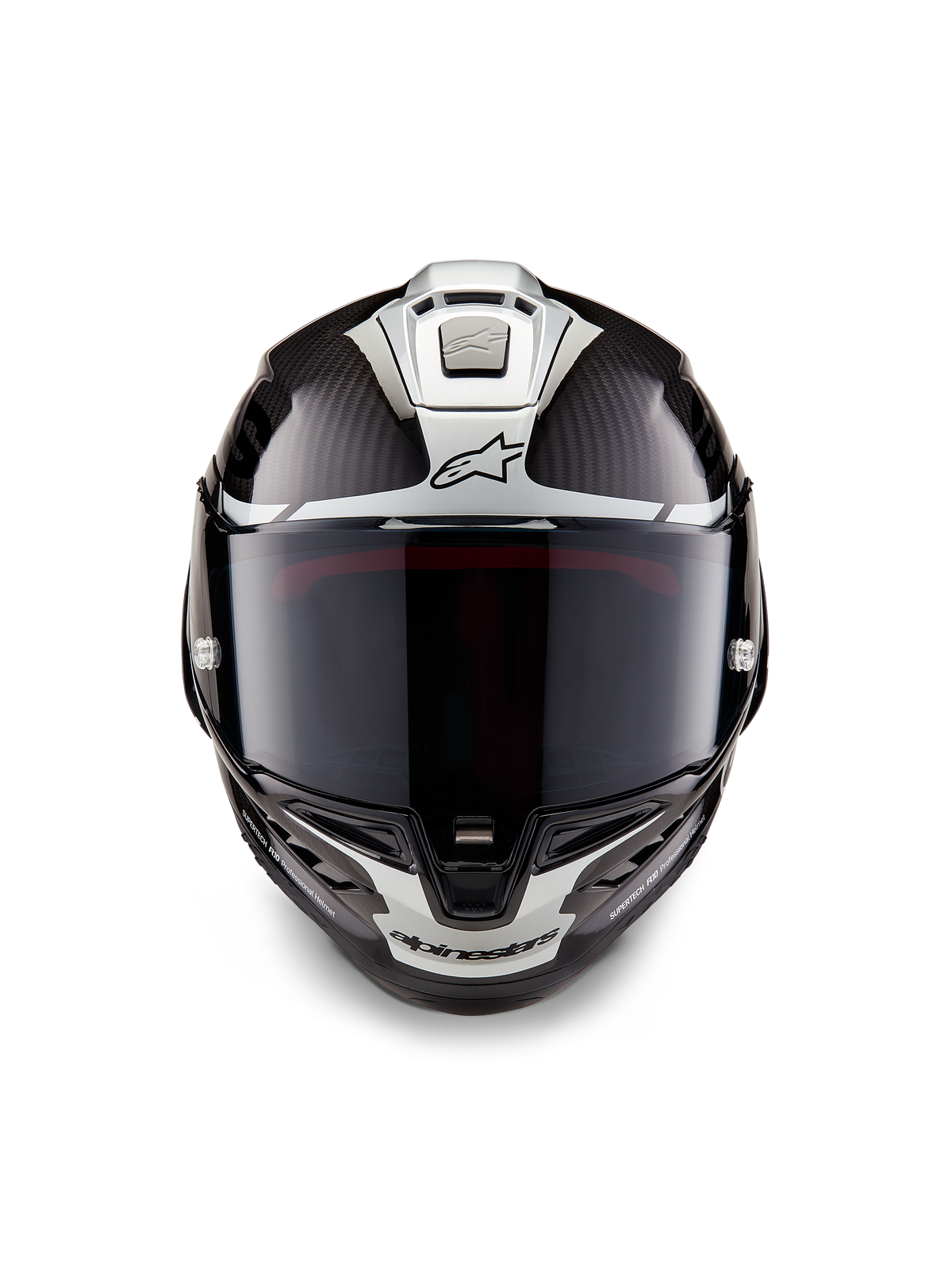
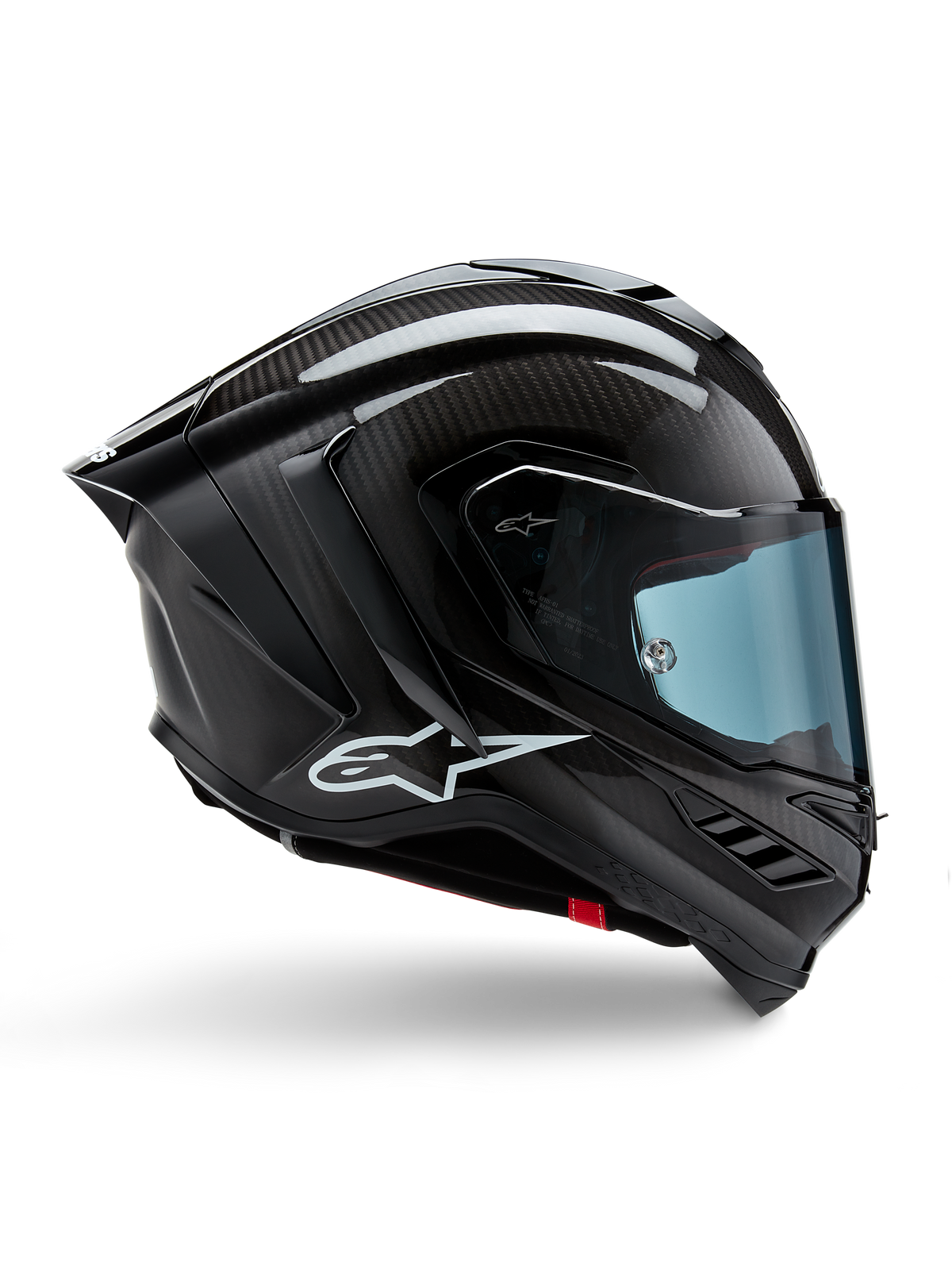
Casque Supertech R10 Arius -
Casque Supertech R10 Arius -
Casque Supertech R10 Arius -
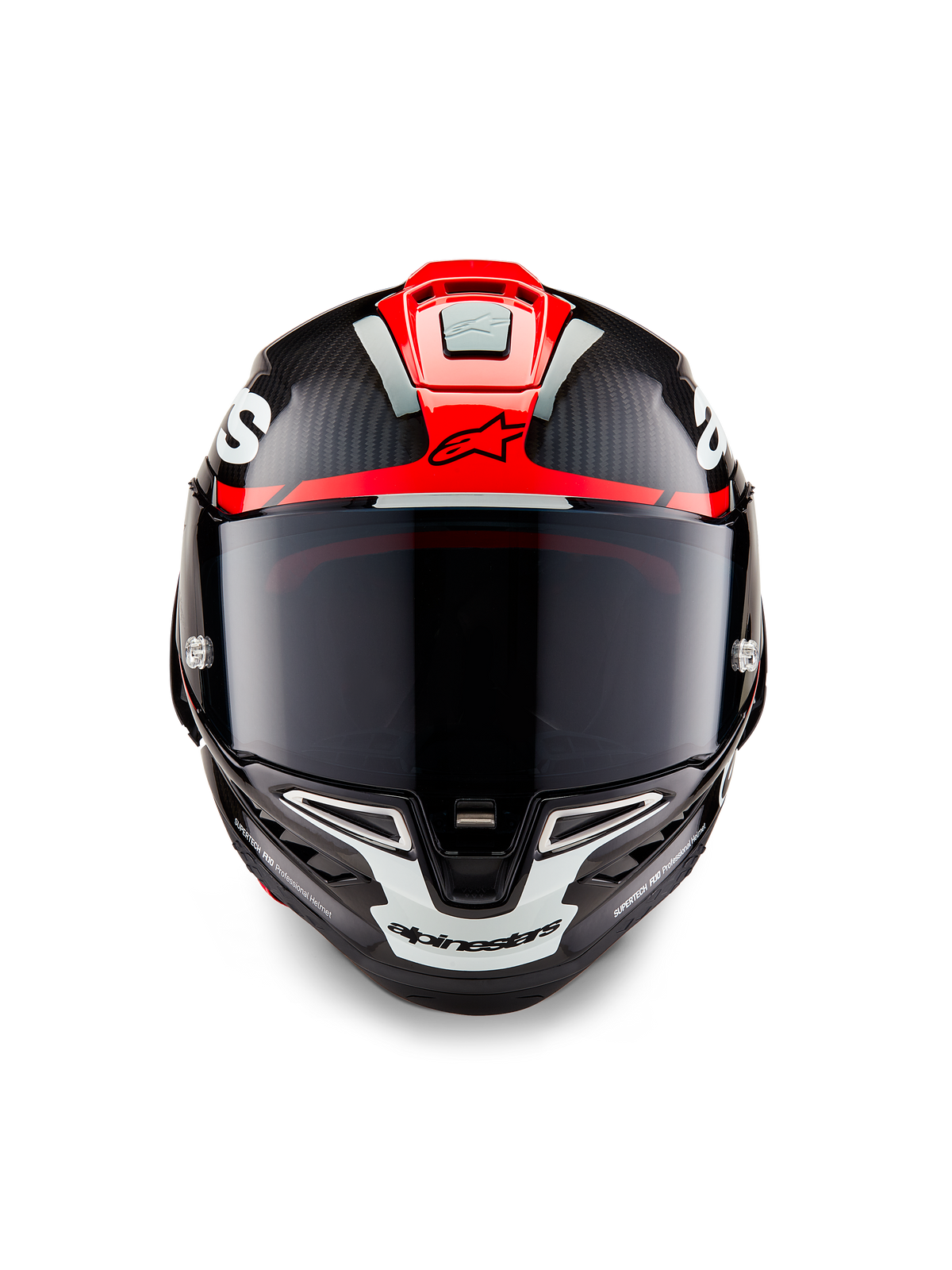
Casque Supertech R10 Team -
Casque Supertech R10 Team -
Casque Supertech R10 Element -
Casque Supertech R10 Element -
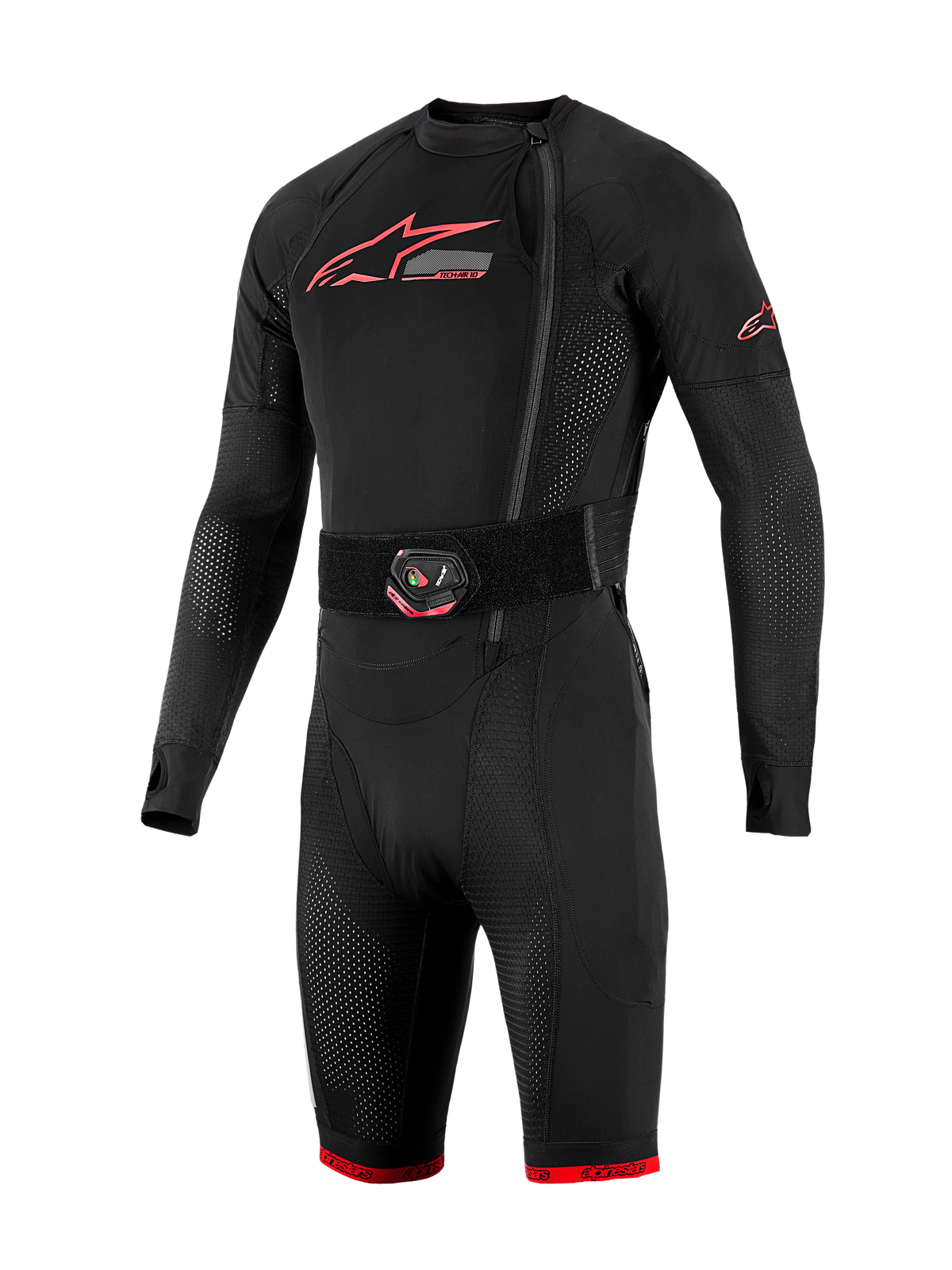
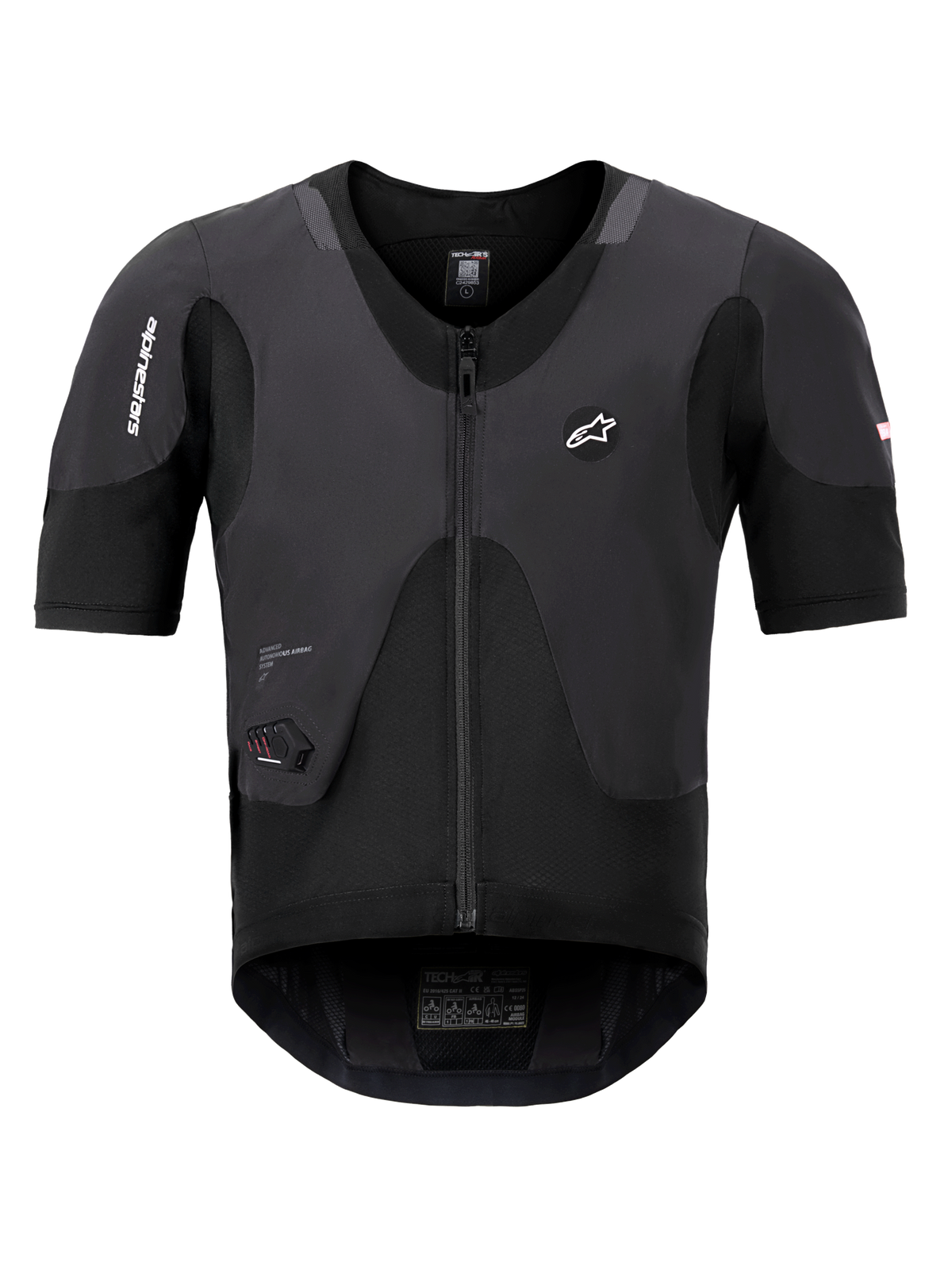
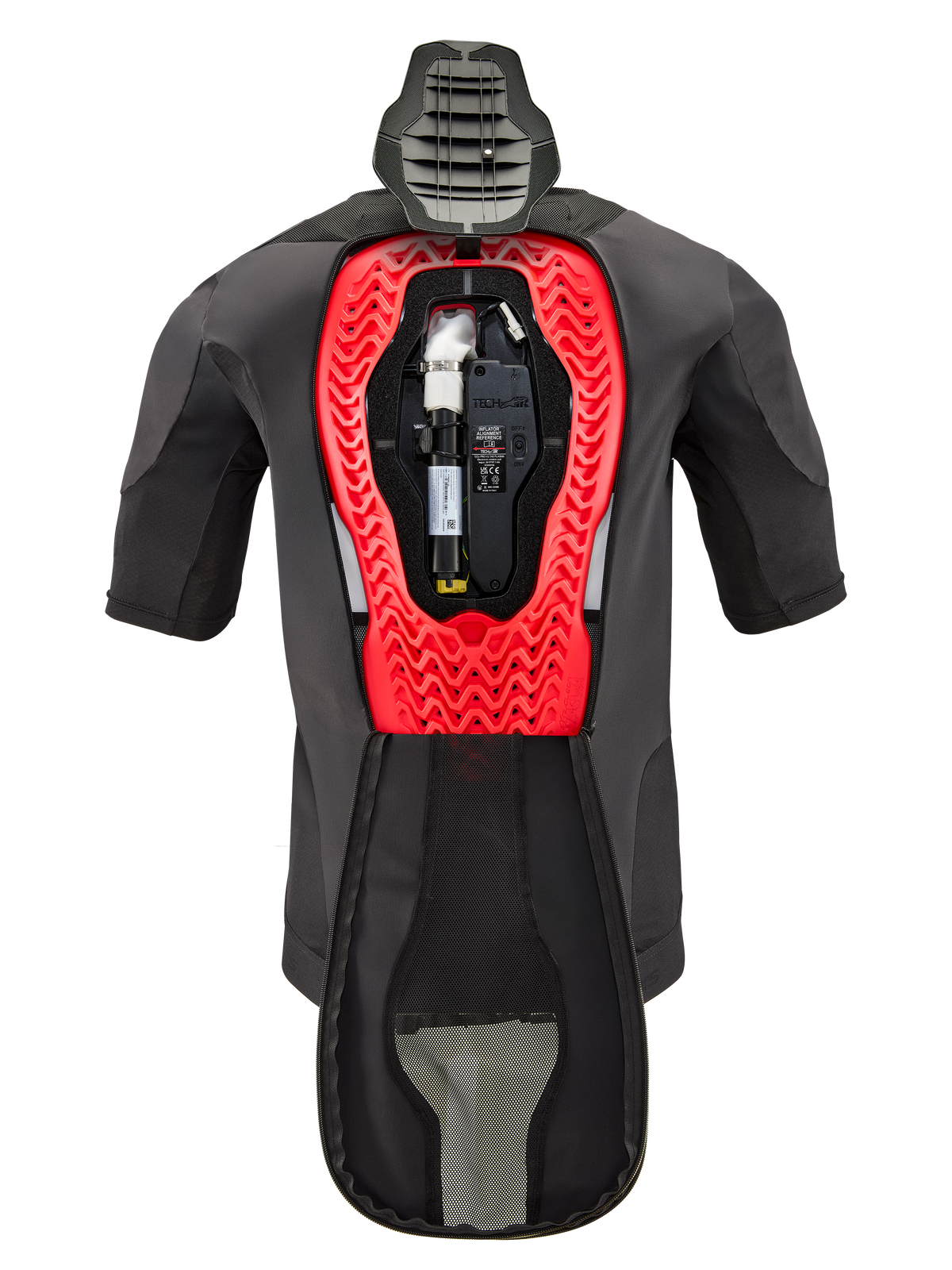
Système Airbag Tech-Air® 10 V2 Race -
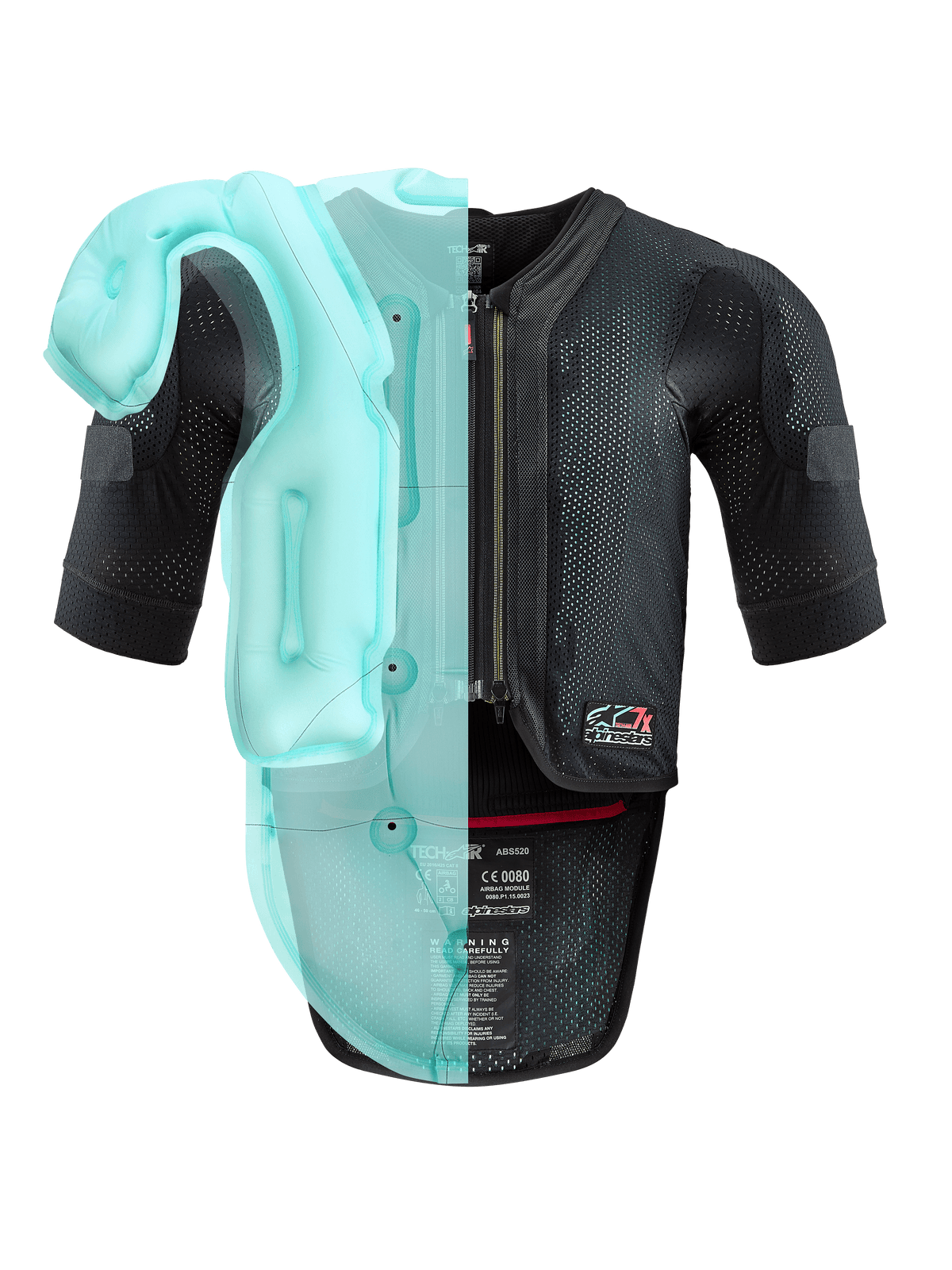
Système Airbag Tech-Air® 7X -
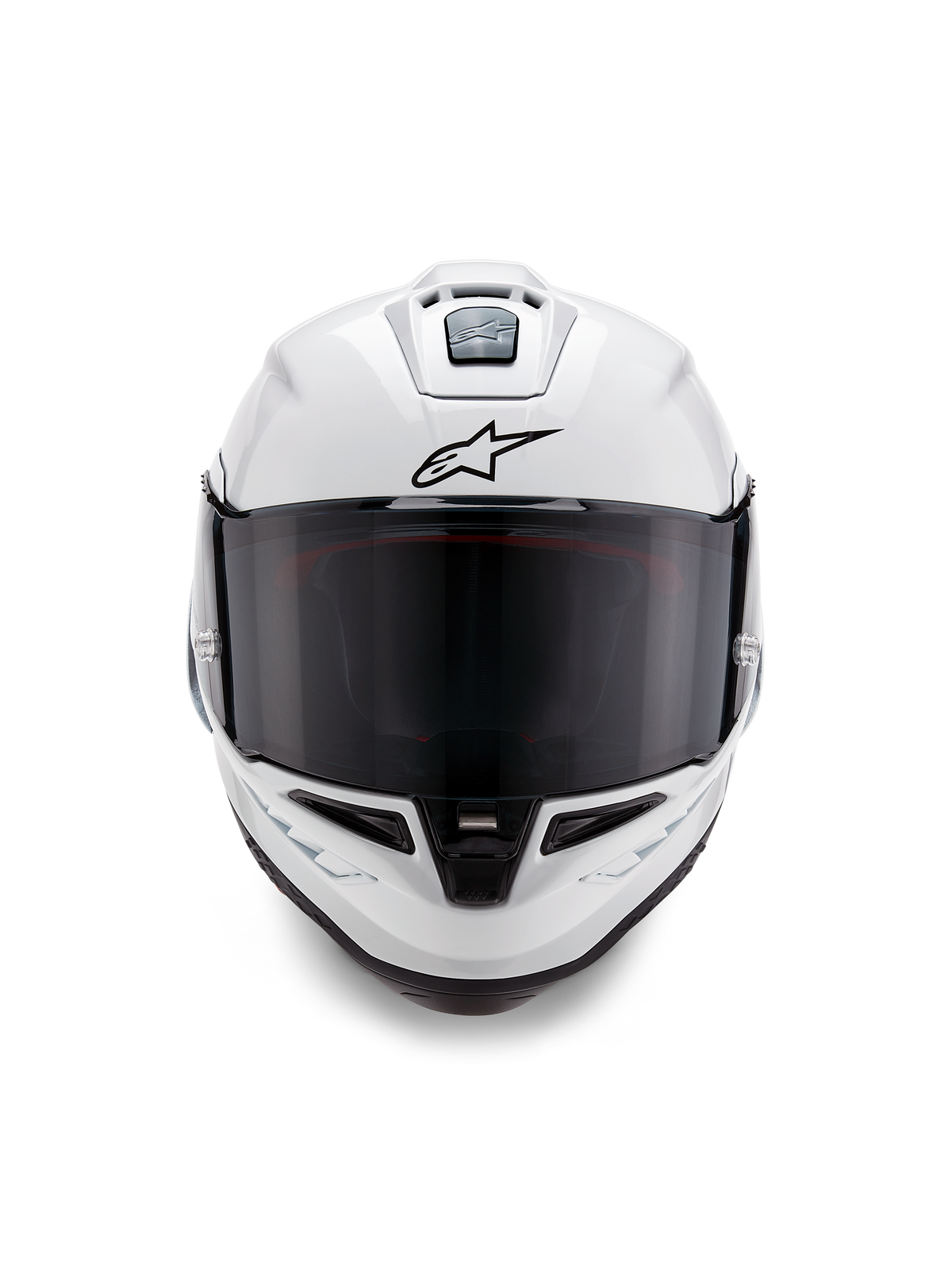
Casque Supertech R10 Solid -
Casque Supertech R10 Solid -
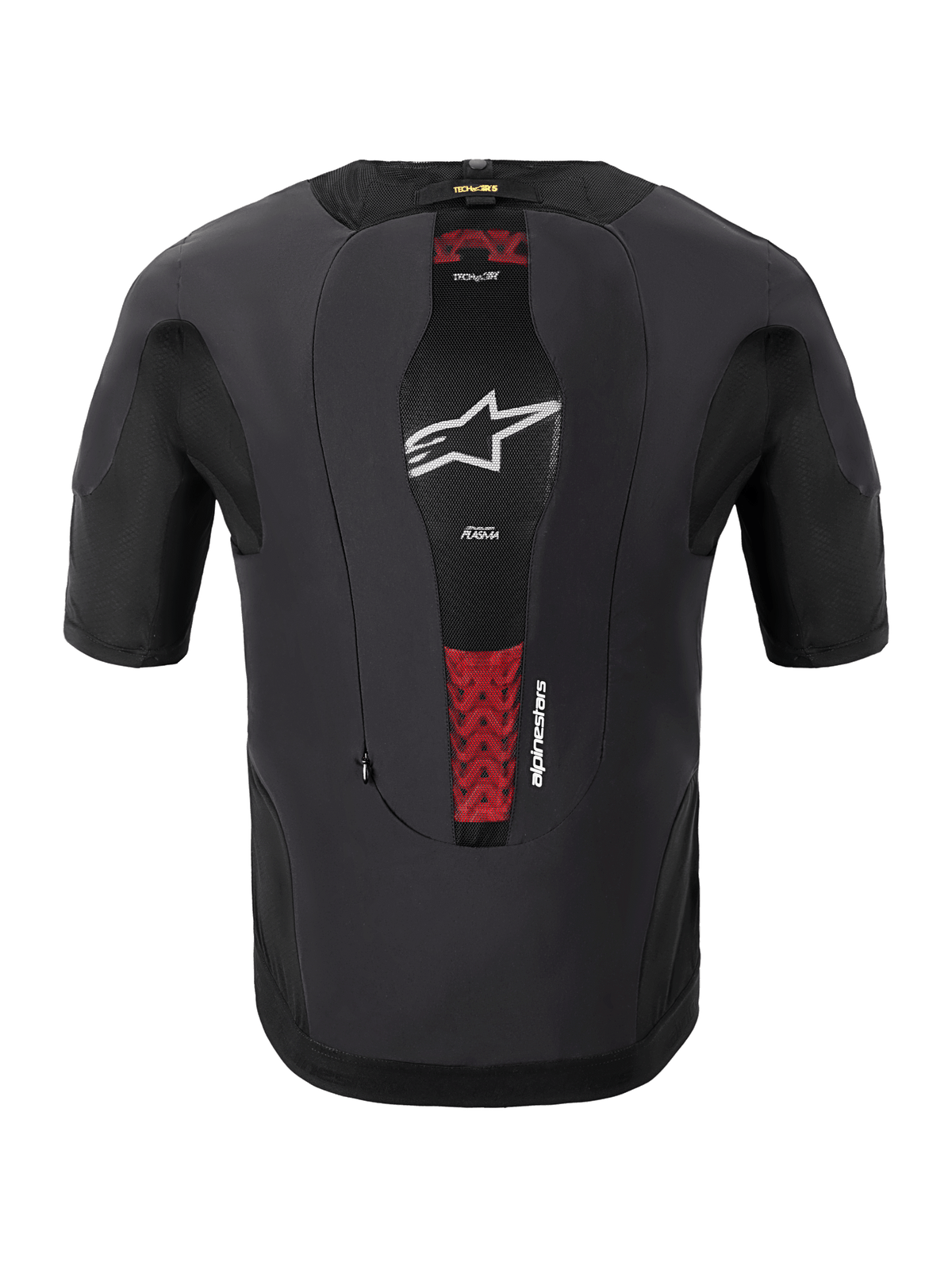
Système Airbag Tech-Air® 5 Plasma -
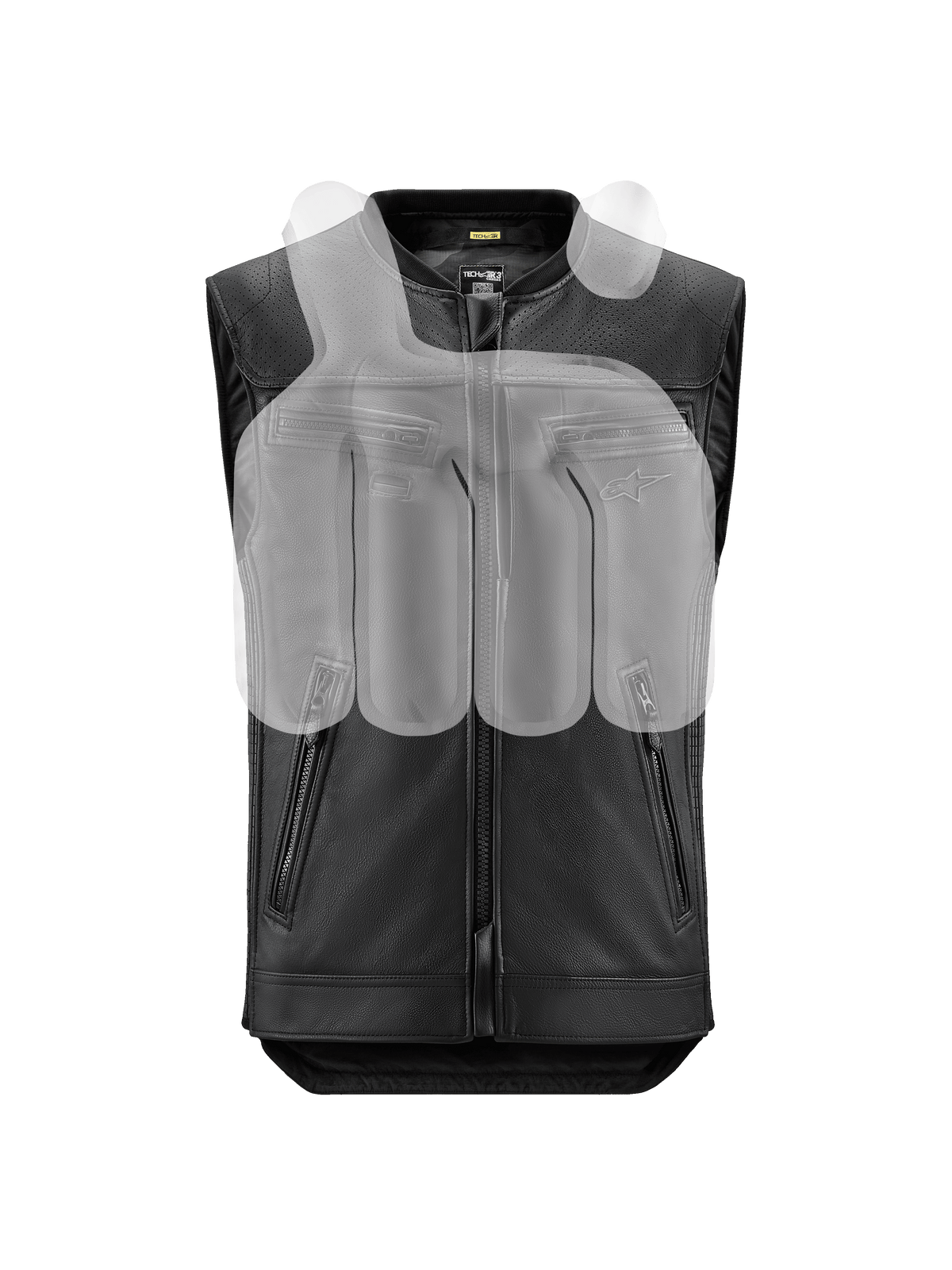
Système Airbag En Cuir Tech-Air® 3 V2 -
Système Airbag Tech-Air® 5 -
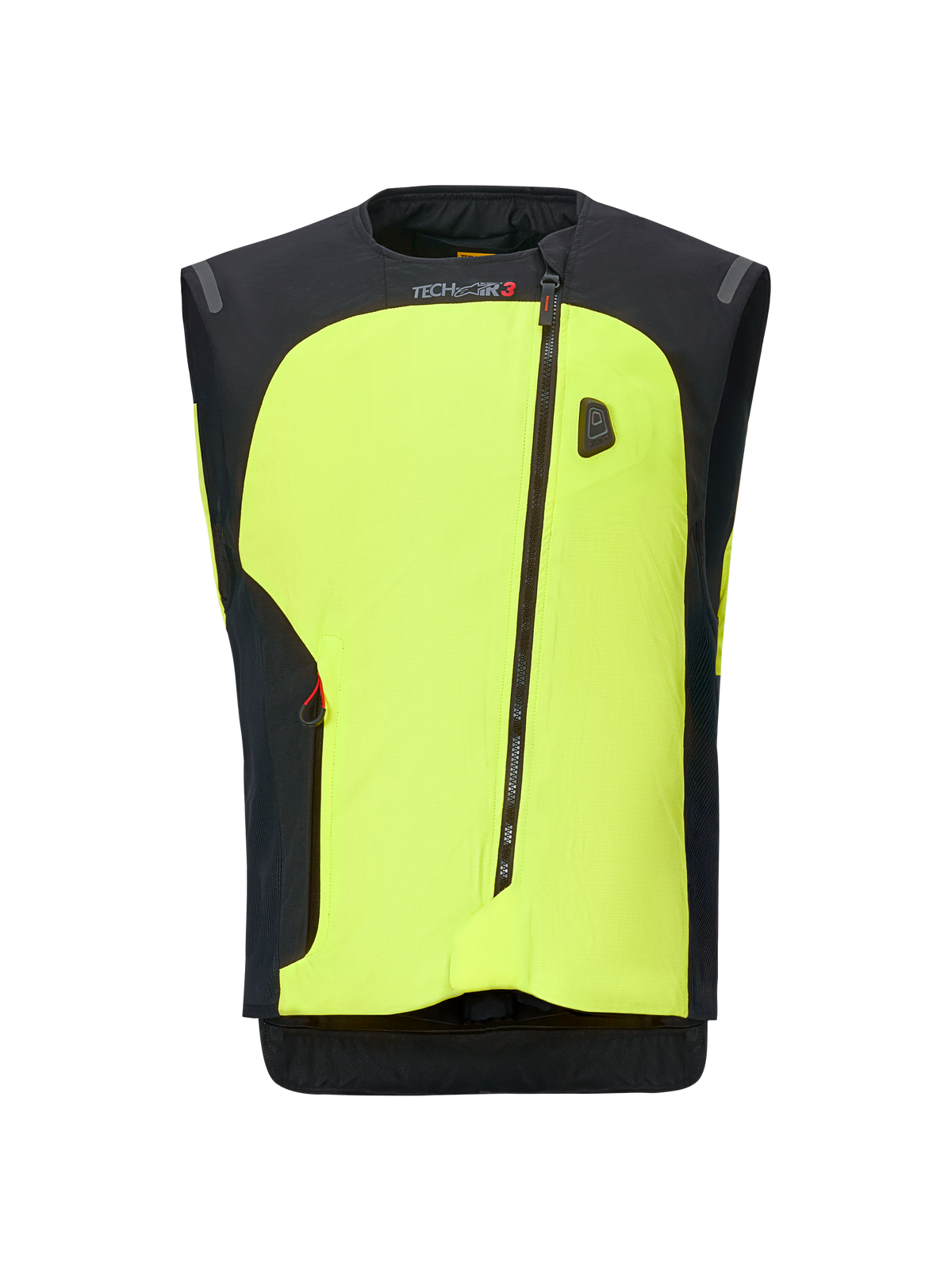
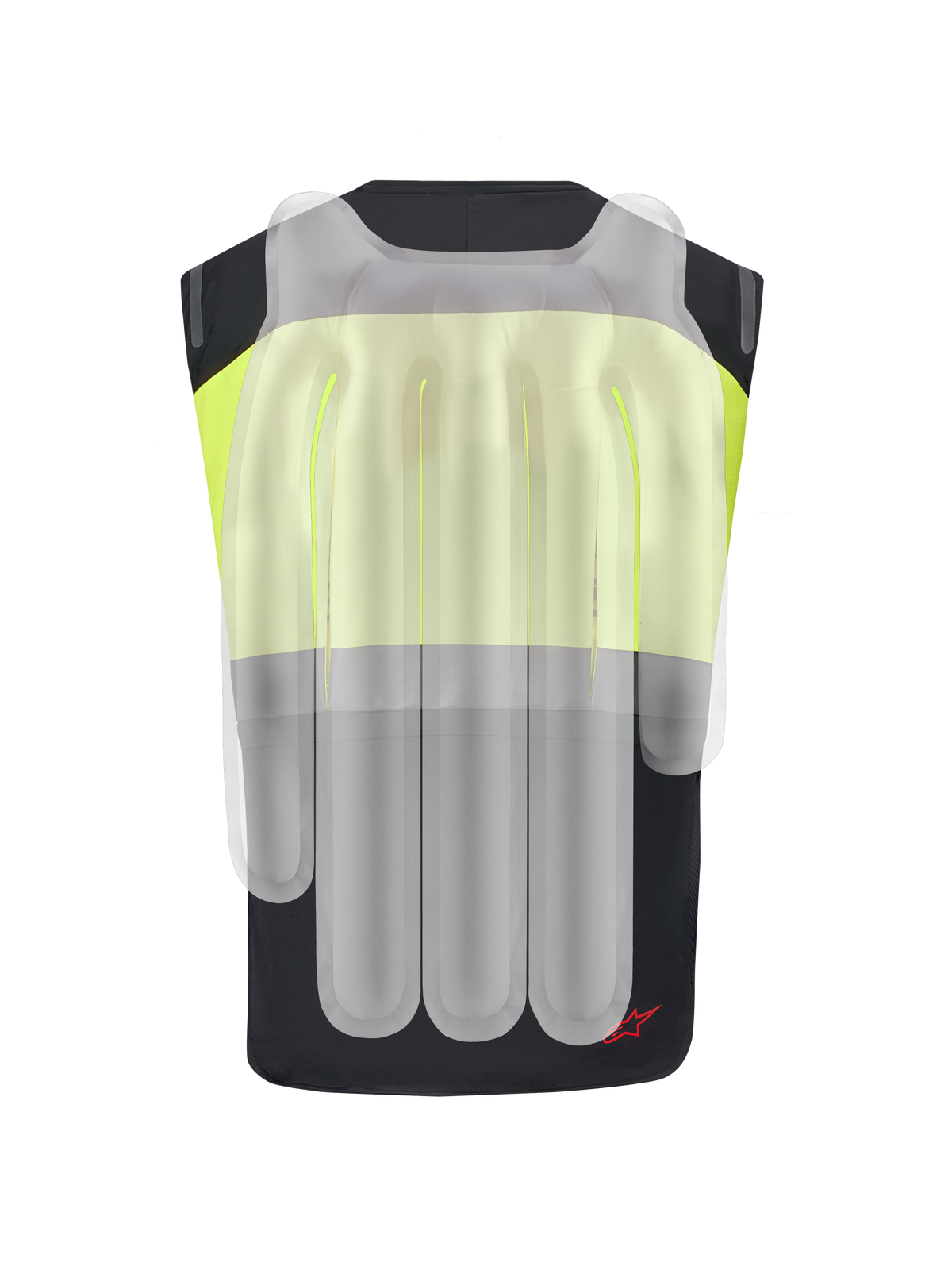
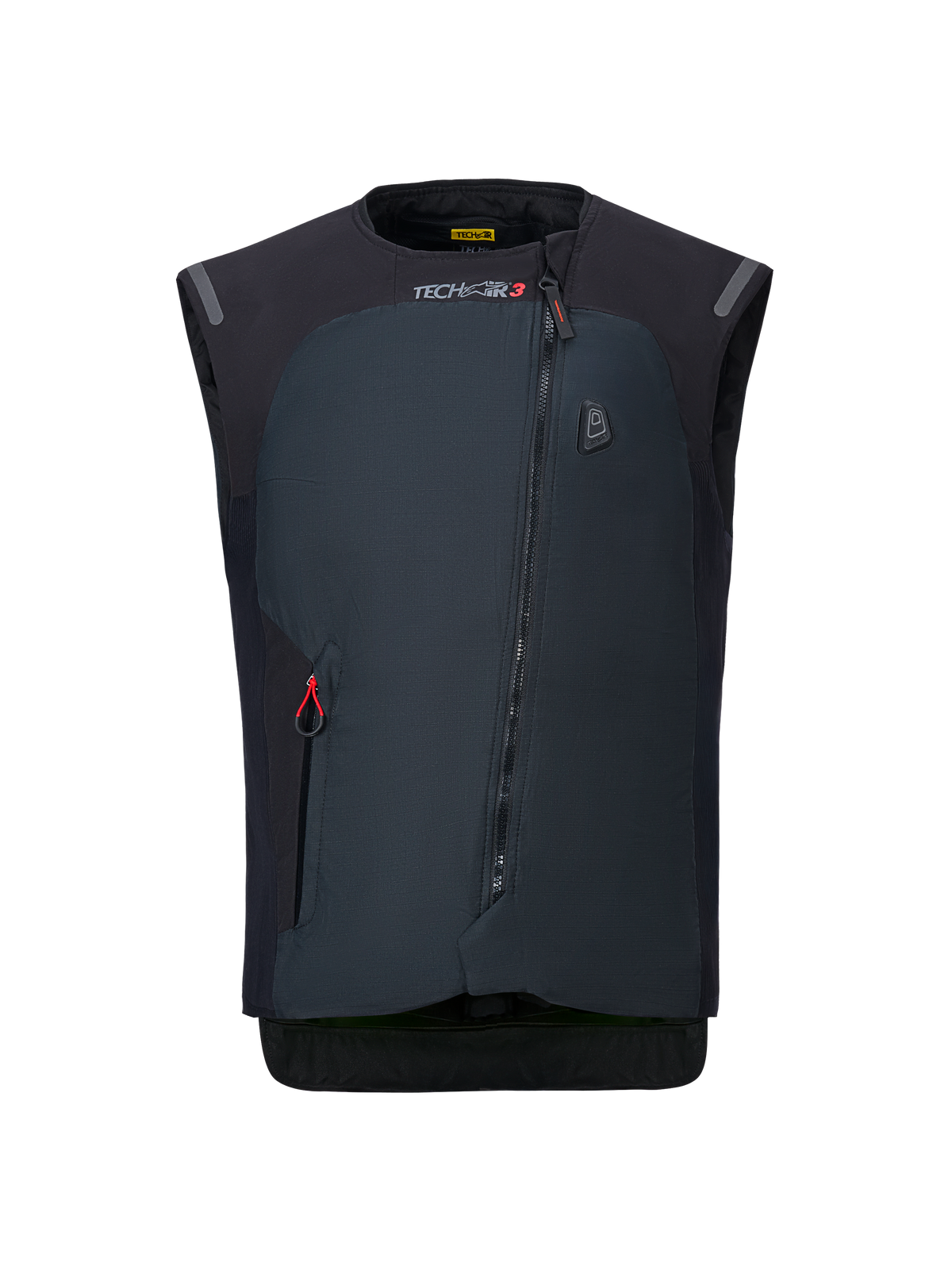
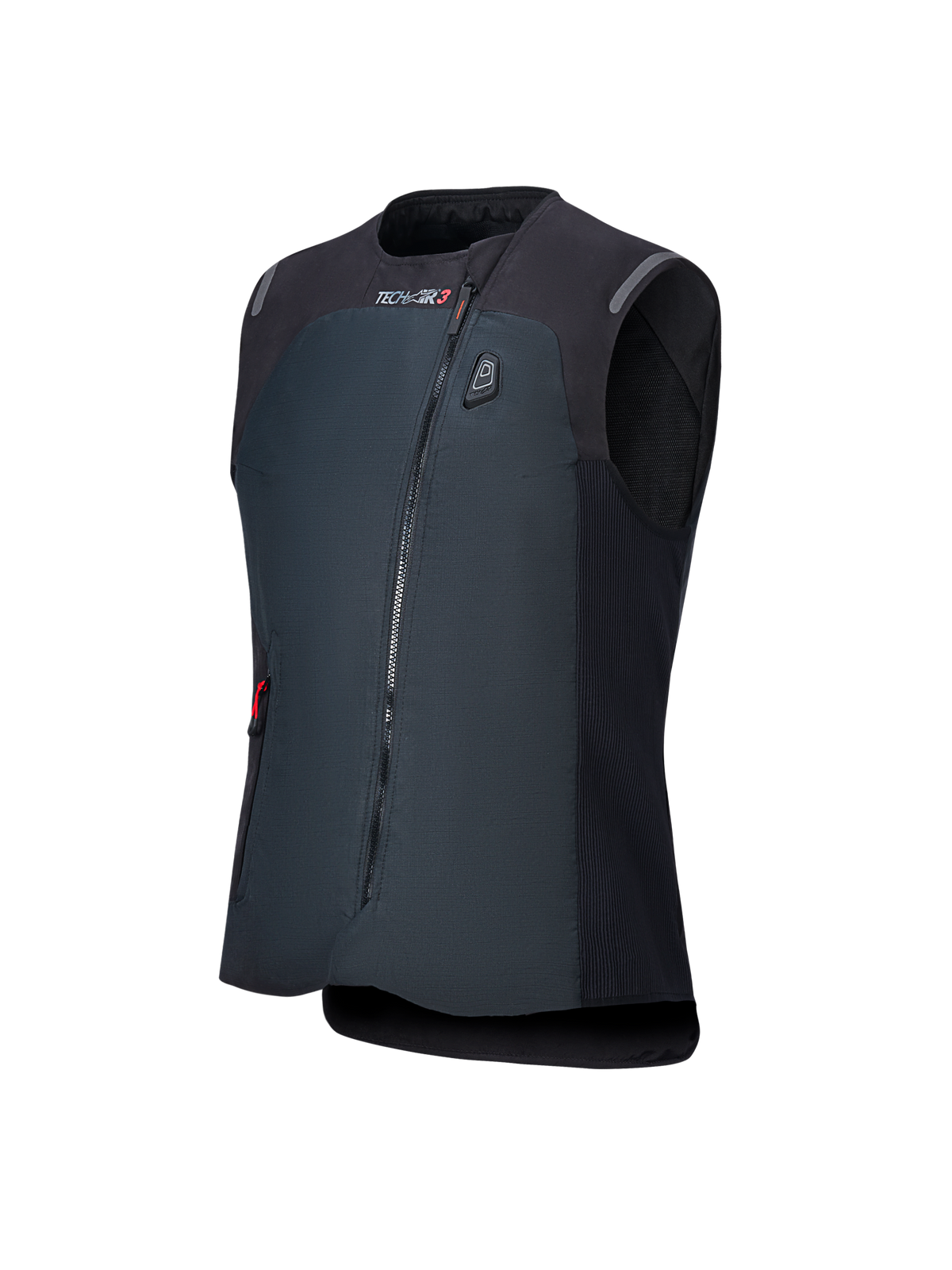
Système Airbag Tech-Air® 3 V2 -
Système Airbag Tech-Air® 3 V2 -
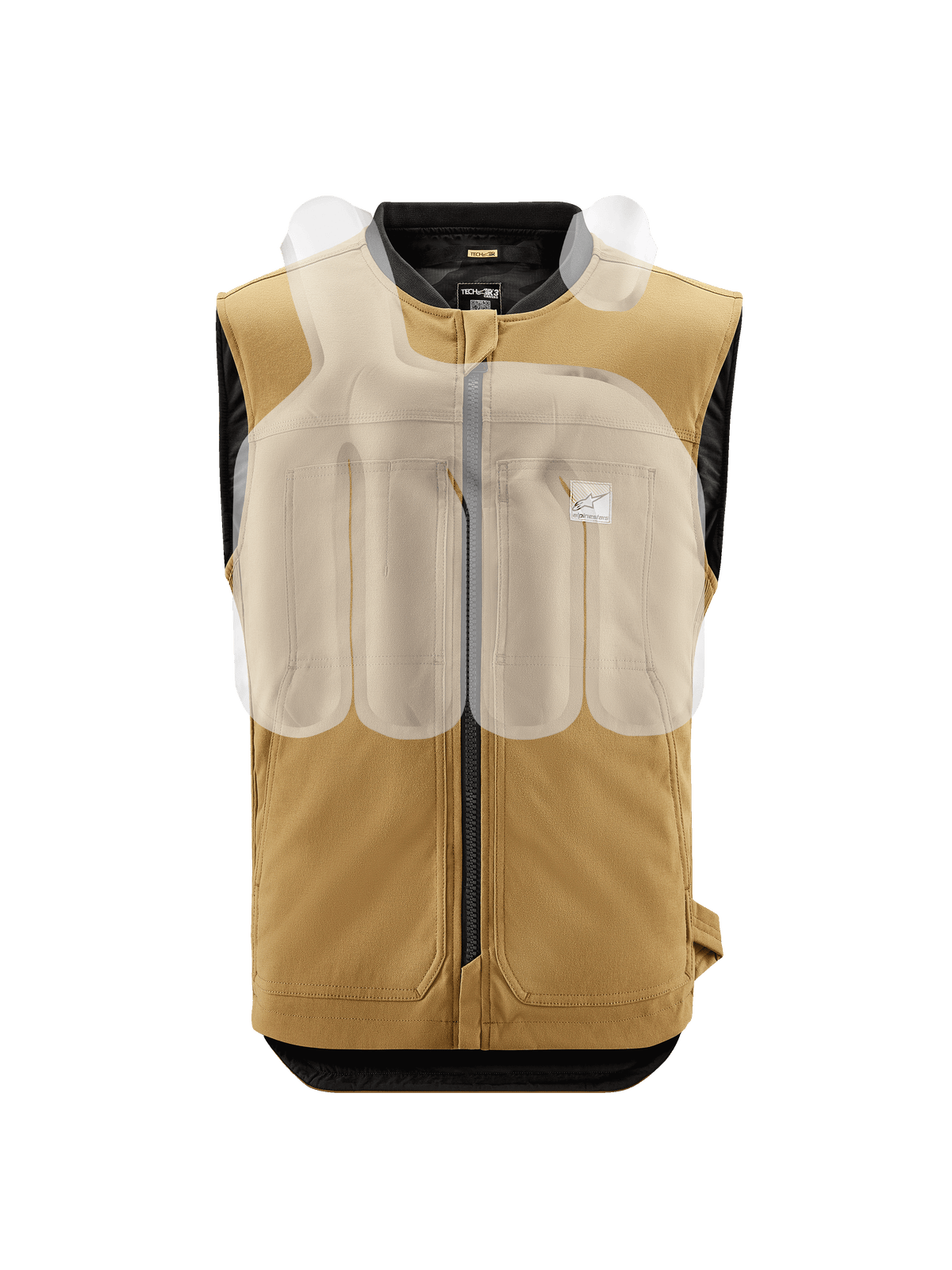
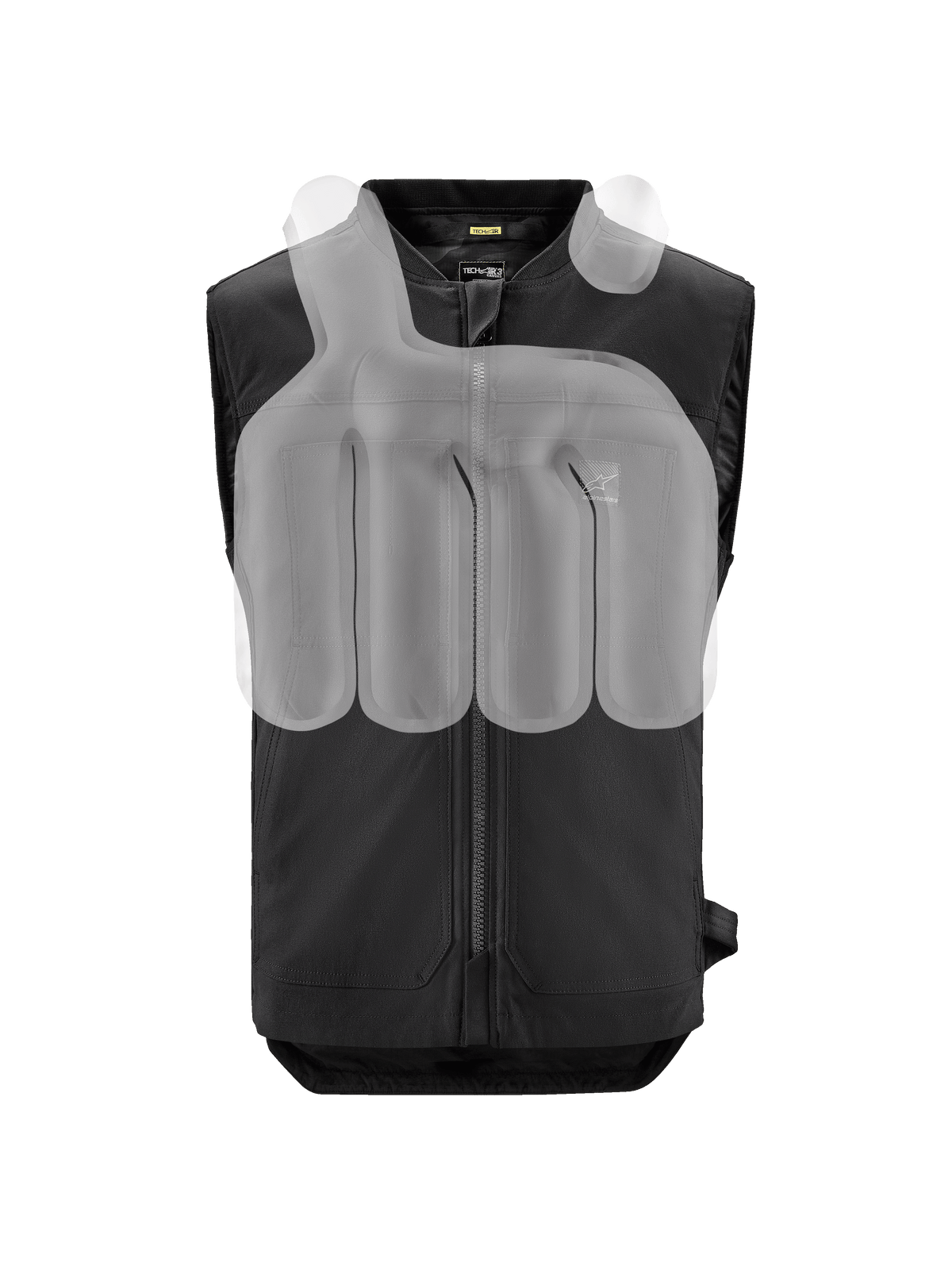
Système Tech-Air® 3 V2 Canvas -
Système Airbag Tech-Air® 3 V2 Canvas -
Système Airbag Stella Tech-Air® 3 V2 -
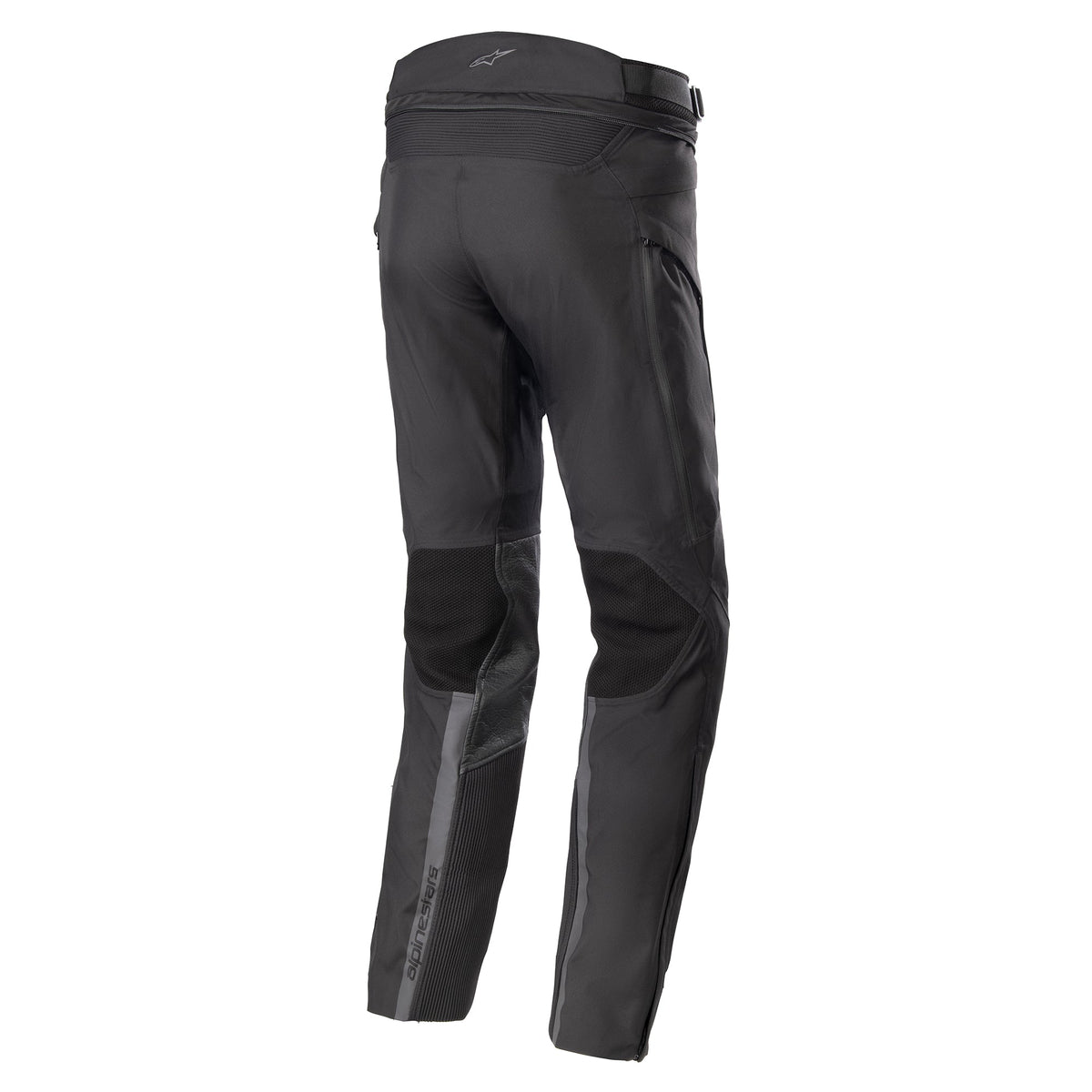
Pantalon AMT-10 Drystar® XF -
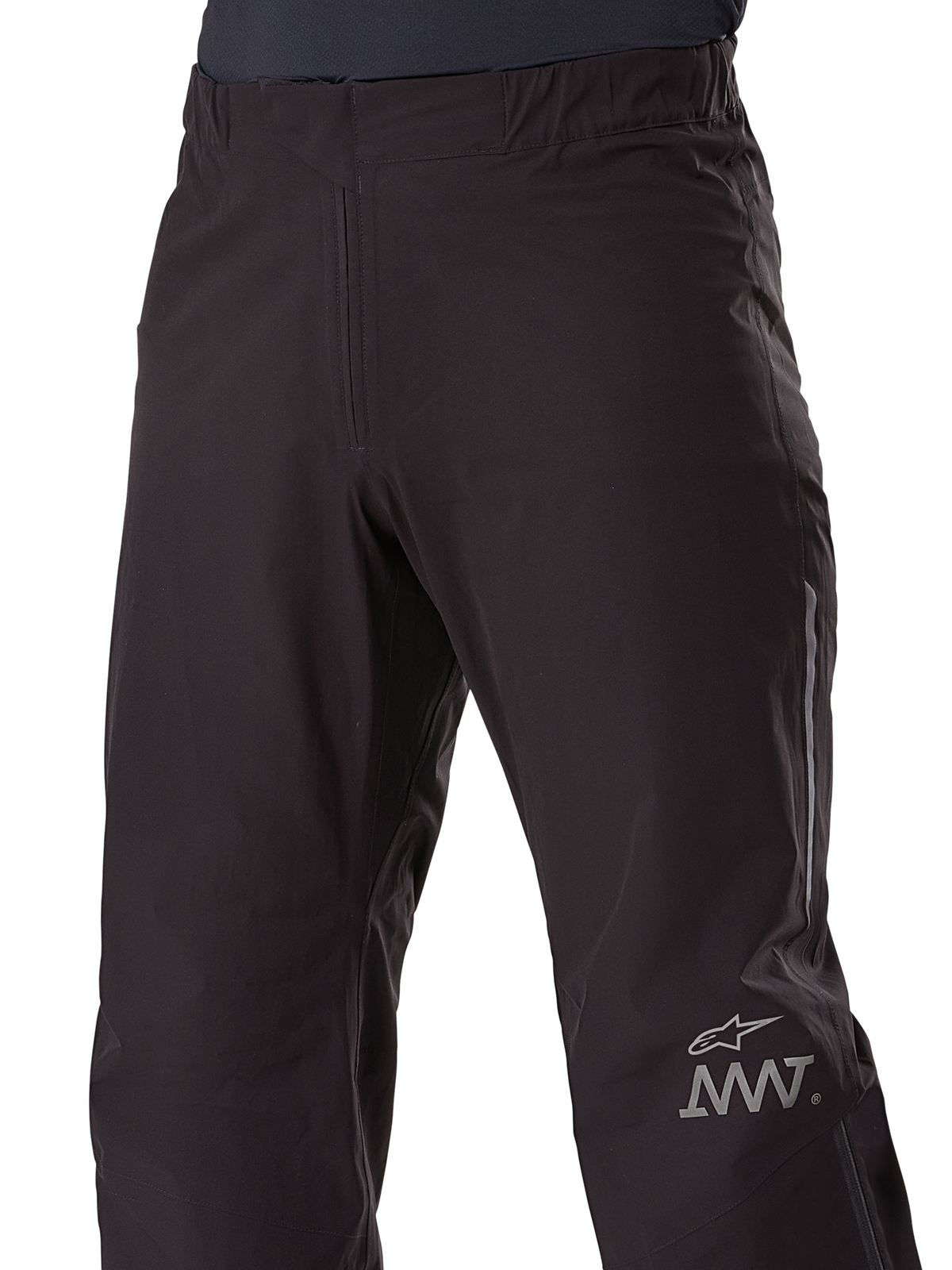
Pantalon Stretch Drystar® XF AMT 8 - Court -
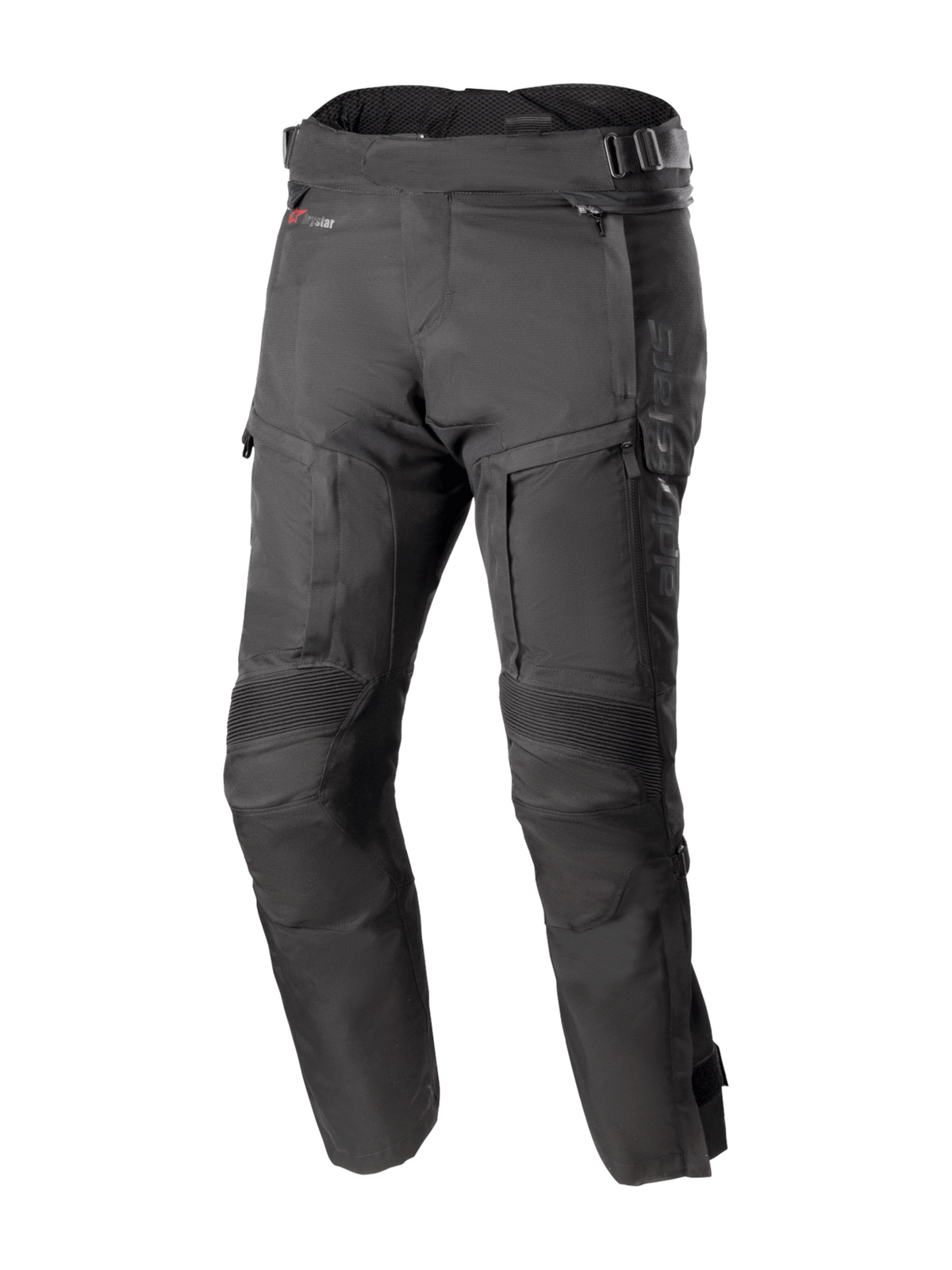
Pantalon Bogota' Pro Drystar® 4 Seasons - Court -
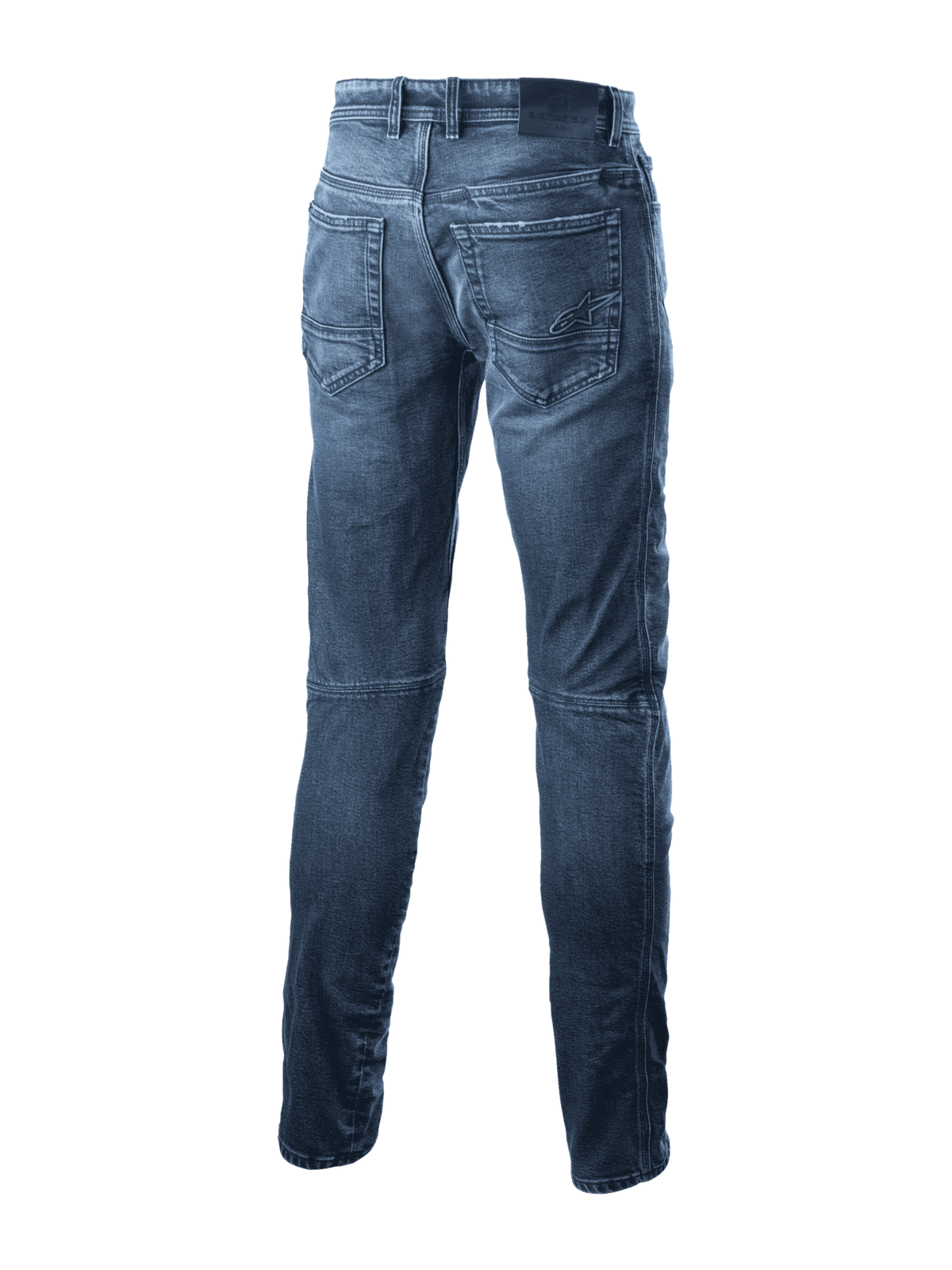
Pantalon Argon Slim Fit Denim -
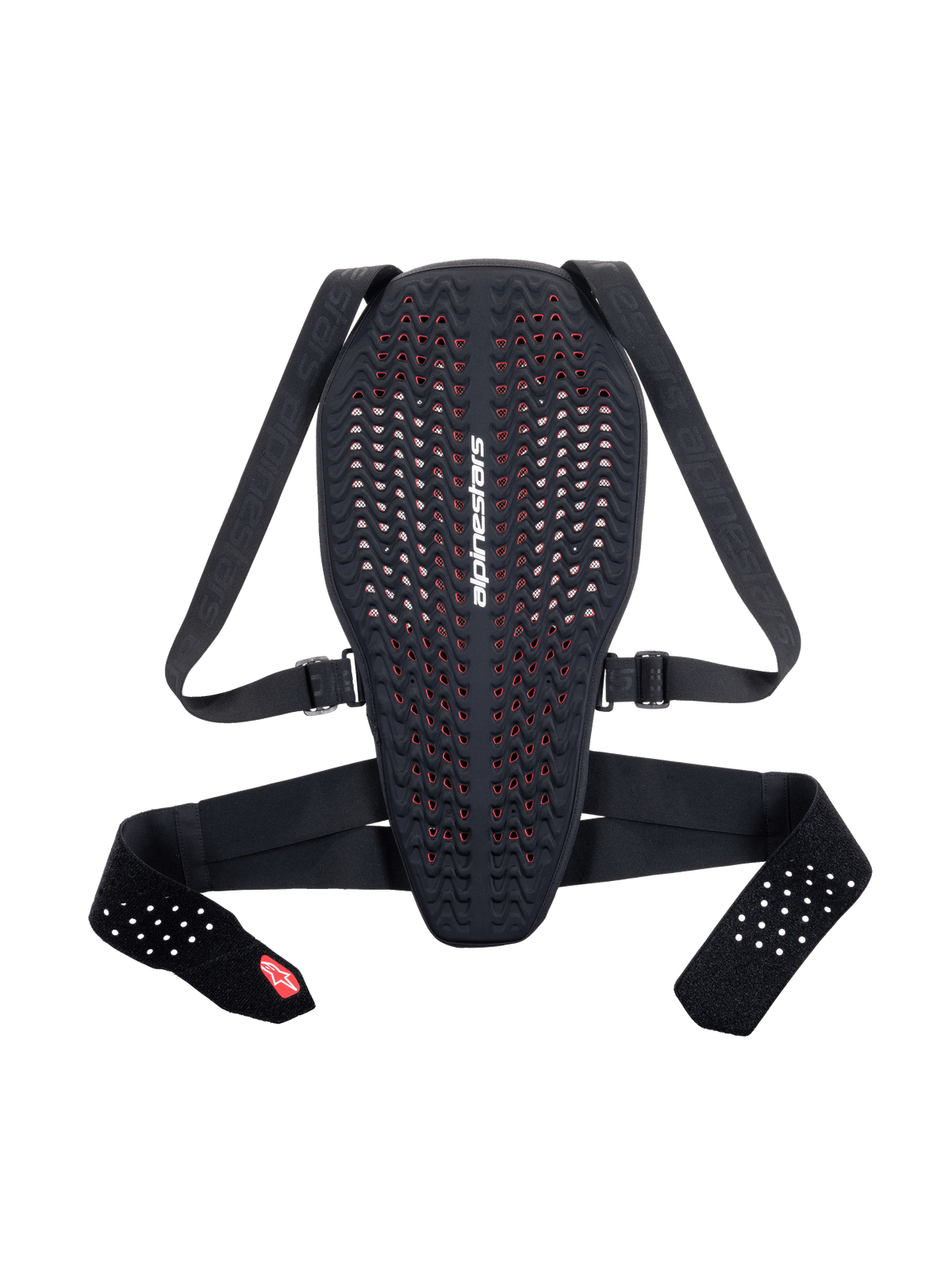
Protection Dorsale Nucleon Kr-3 -
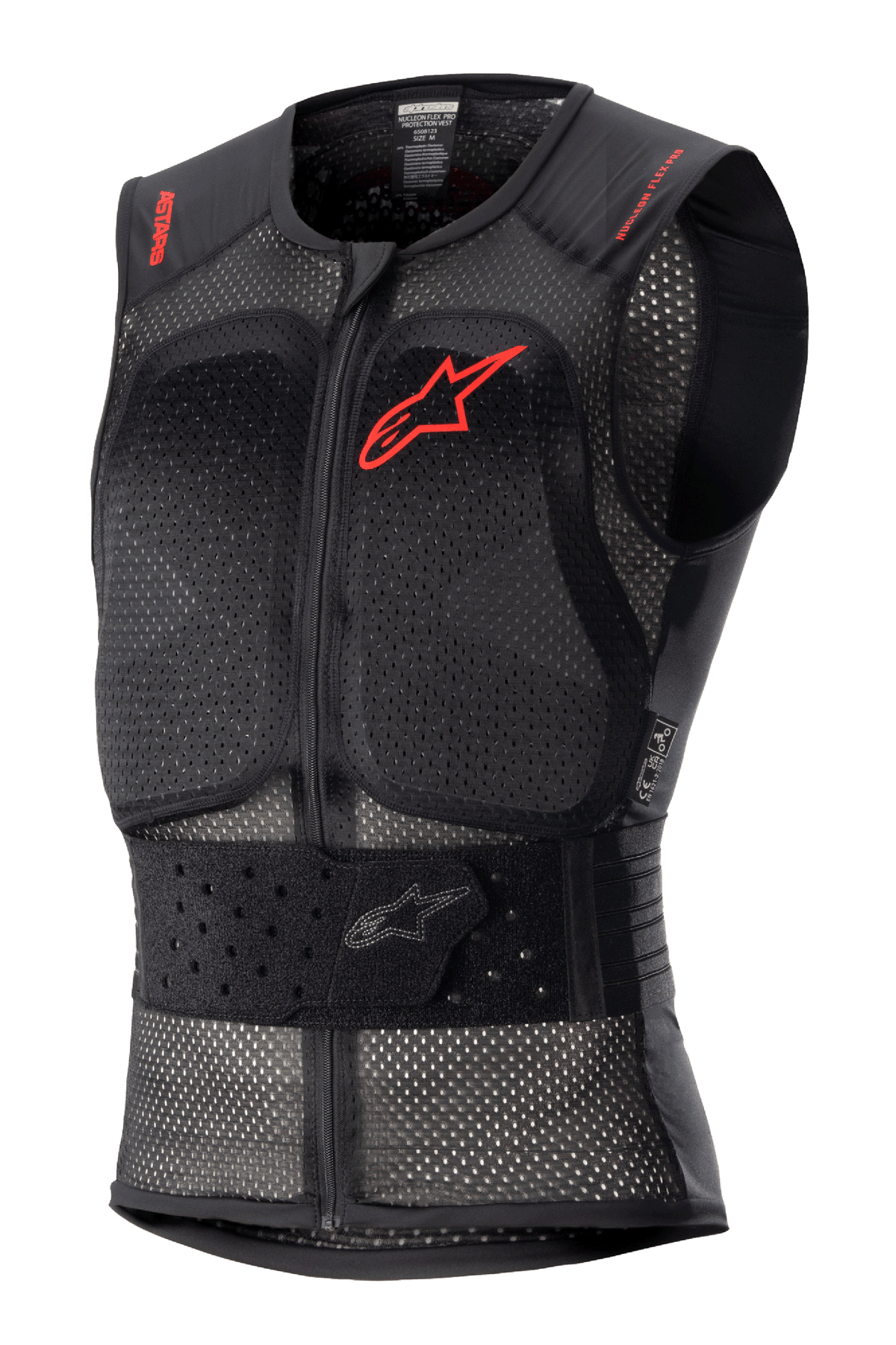
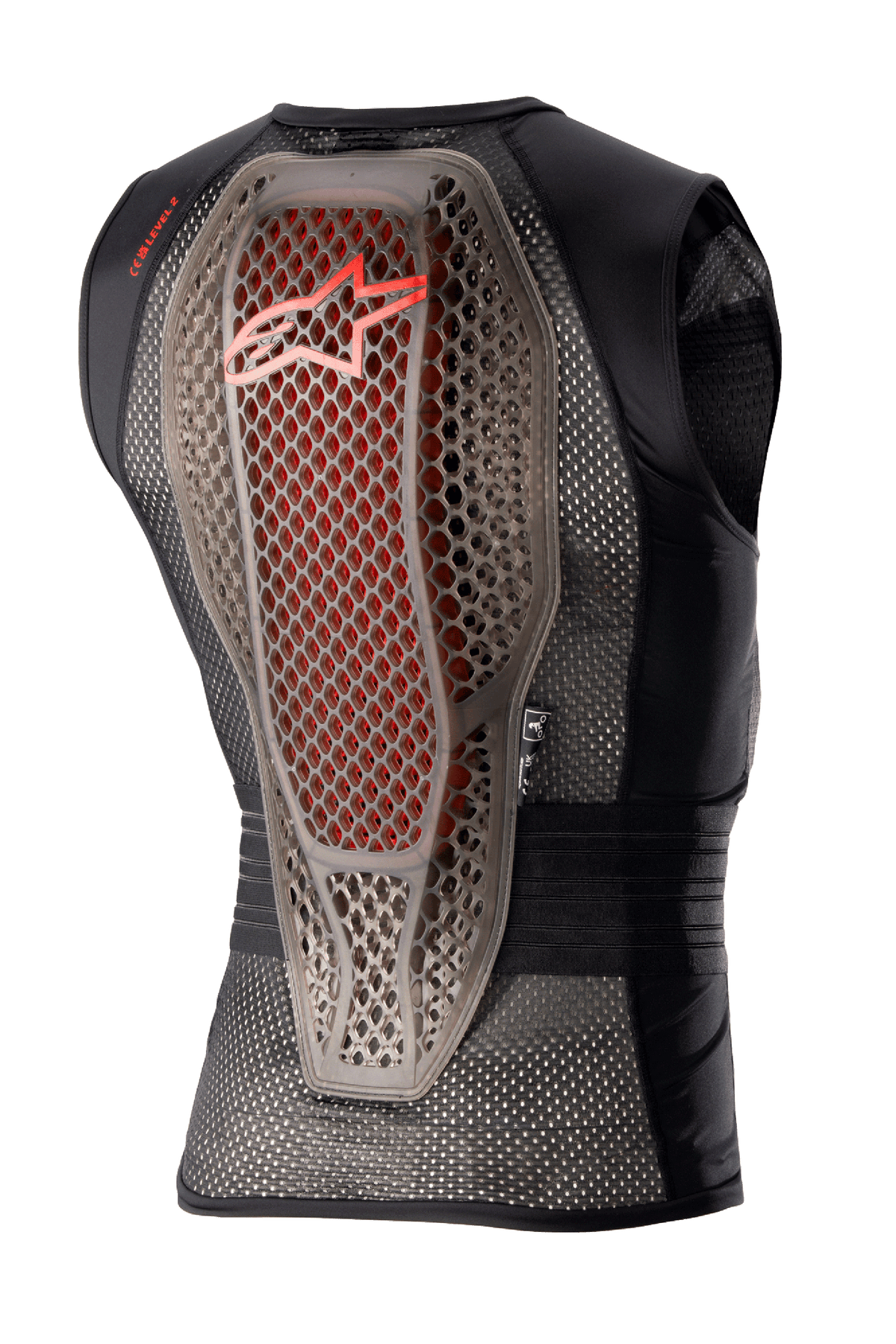
Gilet De Protection Nucleon Flex Pro -
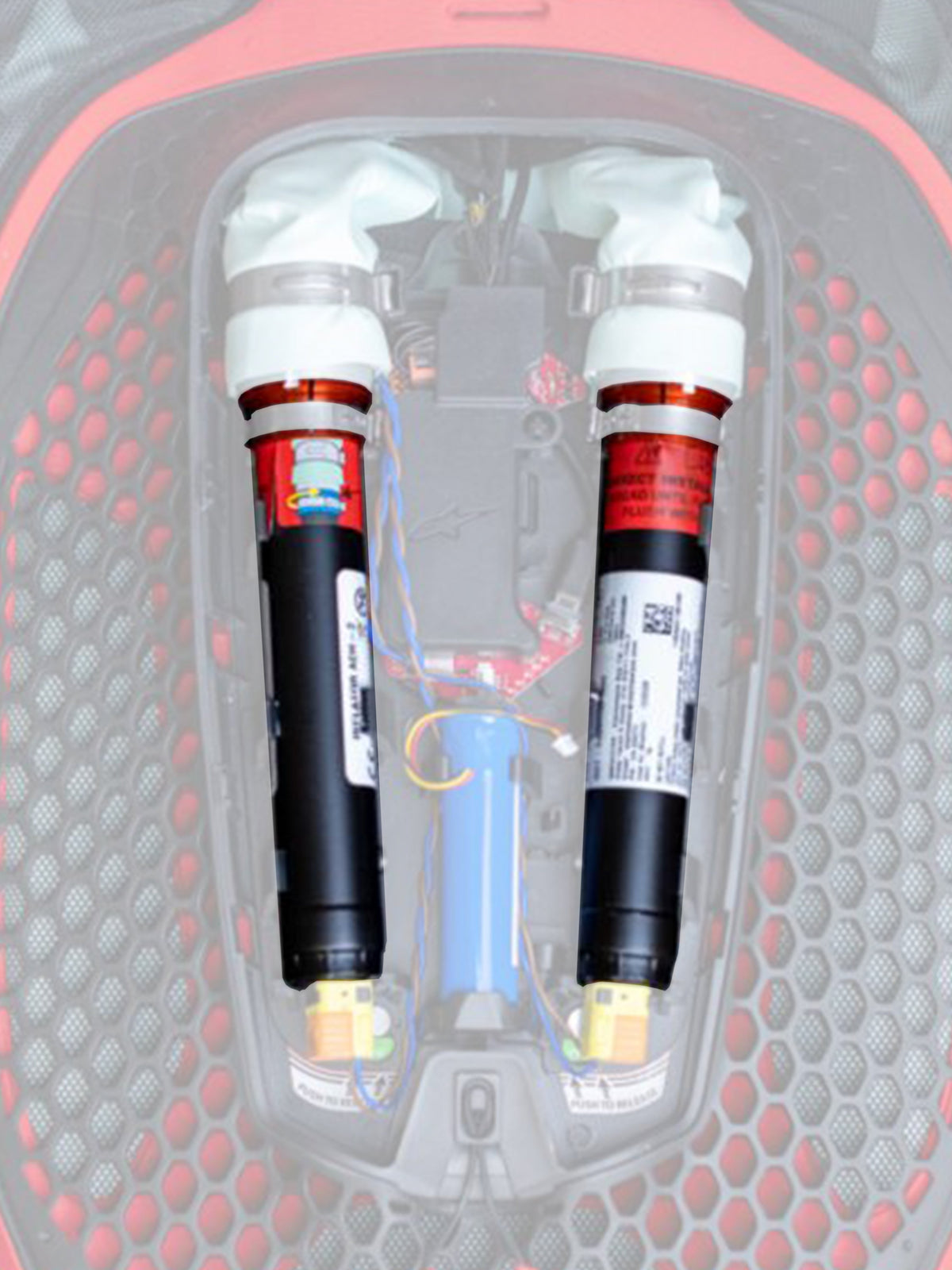
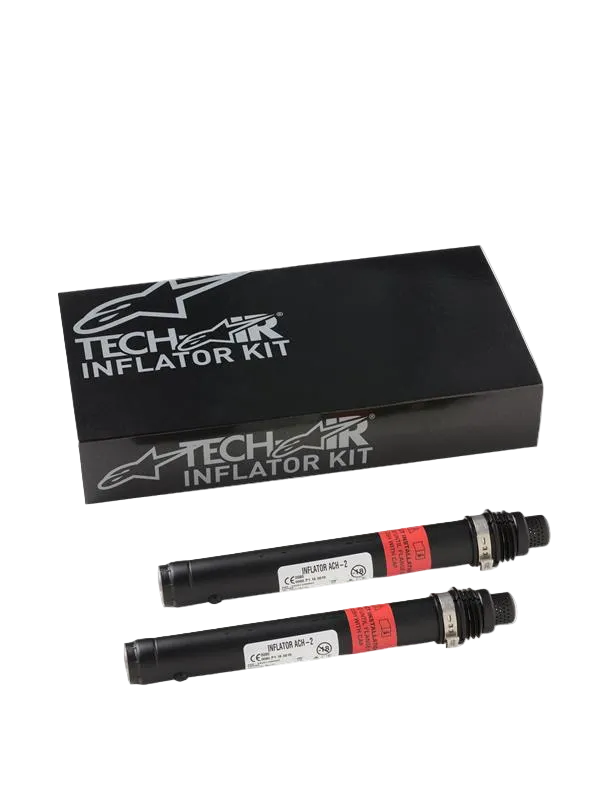
Kit De Cartouche De Rechange Tech-Air® 7X & Off-Road -
Cartouche De Remplacement Système Airbag Tech-Air® 3 V2 x 2 -
Protection Dorsale Nucleon KR-1 Cell -
Protection Dorsale Nucleon Plasma -
Protection Dorsale Nucleon Kr-2 -
Protection Dorsale Nucleon Kr-2 -
Cartouche De Remplacement Airbag Tech-Air® 5 Plasma














































Foire aux questions Masquer les FAQ
Which helmet safety certifications are covered in this collection, and how do DOT, ECE 22.06 and Snell differ?
Helmets in this collection may carry different certifications depending on intended market and use. DOT (FMVSS 218) is the U.S. road-legal standard; look for the DOT mark on the back of the helmet. ECE 22.06 is the current UN/ECE regulation widely used in Europe and other regions. Some models may also be independently certified by Snell (current M-series) for additional performance criteria; Snell labels are typically found inside the helmet.
Each standard uses its own test methods and thresholds. DOT focuses on minimum U.S. requirements; ECE 22.06 adds updated protocols, including more impact points and rotational/oblique tests; Snell adds further impact and retention evaluations. Always check each product page and the helmet’s labeling to confirm the exact standard(s) it meets.
How should a motorcycle helmet fit, and how do I choose the right size in this collection?
Measure your head circumference above the eyebrows and compare to the size chart on the product page. A correct fit is snug and even around the crown and cheeks with no hot spots; the helmet should not rotate or lift when you roll it side to side or secure the chin strap. Keep the strap comfortably tight, allowing only one to two fingers under it.
Head shape matters as much as size. Many riders fit an intermediate oval, while others need round or long‑oval interiors. If you plan to add a thin balaclava or speakers, recheck fit to ensure the shell and EPS are not compromised and comfort remains secure on longer rides.
When should I replace my helmet, and should it be replaced after a crash?
Replace any helmet after a significant impact or crash, even if damage is not visible. The energy‑absorbing liner is designed to manage a single major impact and may not perform the same way twice.
For regular use, a common industry guideline is to replace a helmet about every five years from first use, or sooner if you notice degraded fit, worn pads, damaged straps, or exposure to harsh chemicals or heat. Always follow the care and replacement guidance provided by the certification body and manufacturer.
Can I add a Bluetooth communicator, camera, or other accessories to these helmets?
Use accessories designed for your specific helmet model and follow the manufacturer’s mounting instructions. Do not drill the shell or modify the helmet structure; altering the shell, EPS, or retention system can compromise safety and may invalidate certification. Avoid placing mounts where they interfere with vents, visor operation, or the helmet’s edge trim.
For compatible options, explore our helmet accessories. After installation, recheck fit and strap tension to ensure stability at speed and that the accessory does not create pressure points.
What CE standards apply to impact protectors in this collection, and what’s the difference between Level 1 and Level 2?
Impact protectors typically reference EN 1621 standards: EN 1621‑1 (limbs such as shoulder, elbow, hip, knee), EN 1621‑2 (back), and EN 1621‑3 (chest). Labels indicate the standard and performance level.
| CE Level | Typical use | Impact transmission |
|---|---|---|
| Level 1 | Everyday/urban, where flexibility and airflow are prioritized. | Higher allowed force vs. Level 2. |
| Level 2 | Touring, sport/track, or riders seeking higher attenuation. | Lower allowed force (stricter threshold). |
Choose the level that matches your speeds, conditions, and comfort needs. To browse options, visit our impact protectors collection.